Mold can grow in places you may not notice right away. It can develop behind walls, under flooring, around windows, inside damp areas, or after a leak or flood. Sometimes, the first sign of a mold problem is not visible growth but a musty smell or changes in how people feel while spending time inside the home.
Knowing common mold exposure symptoms can help homeowners recognize when there may be an indoor air quality or moisture problem. Mold exposure can affect people differently, and not everyone exposed to mold will develop symptoms.
The important thing is not to assume that every health problem is caused by mold. Symptoms can have many possible causes, so persistent or severe symptoms should be discussed with a qualified healthcare professional.
At the same time, if symptoms seem to occur or become worse when you spend time in a particular building, it may be worth looking for moisture or mold problems in that environment.
What Is Mold Exposure?
Mold is a type of fungus that produces microscopic spores. These spores are naturally present in the environment and can enter homes through doors, windows, ventilation systems, clothing, and other pathways.
Problems can develop when mold grows indoors because of excess moisture. Leaks, flooding, condensation, high humidity, and poor ventilation can create conditions where mold can multiply.
People may be exposed to mold by breathing in spores or through skin contact. The effects can vary depending on the individual, the type and amount of exposure, and other factors.
A home does not need to have large amounts of visible mold for moisture problems to deserve attention.
What Are the Common Mold Exposure Symptoms?
The most common mold exposure symptoms are often related to irritation or allergic reactions. Some people may notice symptoms shortly after entering a damp or moldy environment, while others may not notice a connection.
Common symptoms can include:
- Sneezing, stuffy nose, or a runny nose
- Coughing or throat irritation
- Red, itchy, or watery eyes
- Skin irritation or rash
- Wheezing or breathing discomfort in sensitive individuals
These symptoms are not specific to mold. Seasonal allergies, dust, pollen, respiratory infections, and other environmental factors can cause similar problems.
For this reason, symptoms alone cannot confirm that mold is the cause.
Can Mold Cause Respiratory Problems?
Mold can irritate the respiratory system, particularly in people who are sensitive to mold or have allergies.
Breathing in mold spores may cause symptoms such as coughing, wheezing, nasal congestion, or throat irritation. People with asthma may also experience worsening symptoms when exposed to certain environmental triggers, including mold.
If someone develops persistent breathing problems, severe wheezing, chest tightness, or difficulty breathing, medical attention should be sought promptly.
The presence of respiratory symptoms does not automatically mean mold is responsible. A healthcare professional can help determine the possible cause.
Can Mold Cause Allergy Symptoms?
Yes. Mold can trigger allergic reactions in people who are sensitive to it.
An allergic reaction may cause symptoms similar to other environmental allergies, such as sneezing, itchy or watery eyes, runny nose, and nasal congestion.
Symptoms may become more noticeable in damp areas or buildings where mold is present. However, pollen, dust mites, pet dander, and other allergens can cause similar reactions.
If allergy symptoms continue indoors, homeowners may want to consider whether moisture, ventilation, or other indoor environmental factors could be contributing.
Can Mold Cause Skin Irritation?
Some people may experience skin irritation after contact with mold or damp environments.
Possible symptoms can include itching, redness, or a rash. However, skin irritation can have many causes, including soaps, detergents, plants, insects, allergies, and other environmental exposures.
Avoiding direct contact with visible mold is a sensible precaution. If you develop persistent or severe skin symptoms, speak with a healthcare professional for appropriate evaluation.
Who May Be More Sensitive to Mold?
Mold does not affect everyone in the same way. Some people are more sensitive to mold or may experience stronger reactions in environments with mold or dampness.
People with allergies or asthma may be more likely to experience respiratory or allergy-related symptoms when exposed to environmental triggers.
People with weakened immune systems or certain underlying health conditions may have different risks from fungal exposure. They should follow advice from their healthcare provider if they are concerned about mold exposure.
It is important not to diagnose a health condition based only on the presence of mold or a list of symptoms.
What Are the Potential Mold Health Risks?
The potential mold health risks depend on several factors, including the type and amount of mold, the duration of exposure, and a person's individual sensitivity.
For many people, indoor mold exposure is mainly associated with allergy and irritation symptoms. However, certain individuals may experience more significant respiratory effects.
The presence of mold does not automatically mean that someone will become sick. Likewise, symptoms that occur in a home do not automatically prove that mold is responsible.
The best approach is to take both the health concern and the property condition seriously. If there is a known moisture problem or visible mold, addressing the environmental issue can help reduce continued exposure.
How Can You Tell If Mold May Be Affecting Your Home?
Symptoms alone cannot tell you whether mold is present. Homeowners should also look for signs of moisture and mold inside the property.
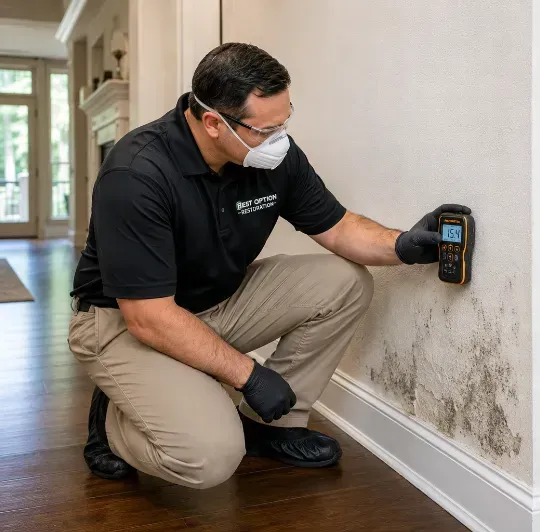
A musty odor can be an important warning sign, especially when there is no obvious source. Water stains, peeling paint, bubbling drywall, discoloration, and repeated condensation can also indicate a moisture problem.
Mold may not always be visible. It can grow behind drywall, under flooring, above ceilings, or in other areas where moisture becomes trapped. Learn more about where mold commonly hides and the warning signs homeowners should watch for.
If there is a history of flooding, plumbing leaks, roof damage, or persistent humidity, a closer inspection may be worthwhile.
Why Does Mold Keep Coming Back?
If mold repeatedly returns after cleaning, the underlying moisture problem may not have been resolved.
For example, cleaning visible mold from a wall will not prevent it from returning if a pipe behind the wall continues to leak. Similarly, mold in a bathroom may return when poor ventilation allows condensation to remain on surfaces.
Other possible moisture sources include roof leaks, HVAC problems, water intrusion around windows, and flooding.
Finding and correcting the moisture source is one of the most important parts of addressing a mold problem.
When Should You Consider Professional Mold Removal?
Small areas of surface mold may sometimes be addressed with appropriate cleaning methods. However, professional help may be appropriate when mold is widespread, keeps returning, follows significant water damage, or may be hidden behind building materials.
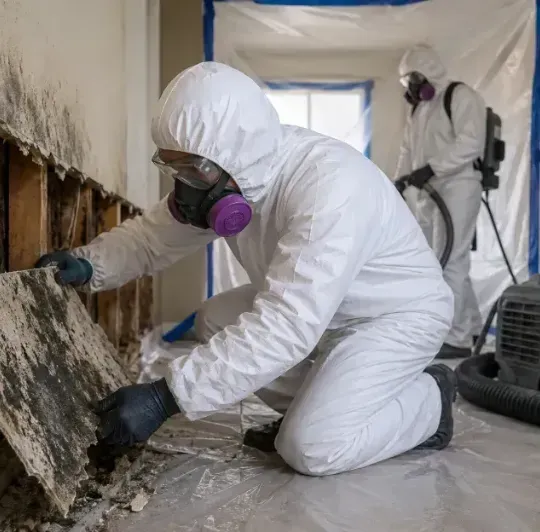
Professional mold removal can involve more than cleaning visible growth. Depending on the situation, professionals may inspect the property, identify moisture sources, determine the affected area, establish containment when appropriate, remove damaged materials, clean restorable surfaces, and dry the affected area.
This approach can be especially important when mold is located inside walls, above ceilings, or around insulation.
How Can Mold Removal Contractors Help?
Qualified mold removal contractors can evaluate the affected area and help determine what work may be necessary.
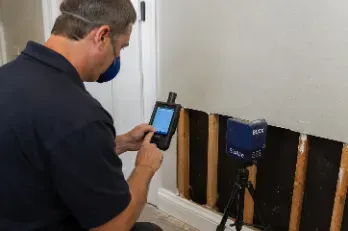
Depending on the property, the process may include moisture detection, containment, removal of affected porous materials, cleaning, HEPA filtration, drying, and restoration.
The exact process should be based on the size and nature of the problem rather than using the same method for every situation.
A professional assessment may also help identify moisture problems that are not obvious during a basic visual inspection.
What Should You Do If You Suspect Mold?
If you suspect mold in your home, avoid disturbing large areas of visible growth unnecessarily. Cutting into walls, pulling out contaminated materials, or aggressively scrubbing mold can disturb spores and spread contaminated dust.
Instead, consider where moisture may be coming from. Check for leaks, water stains, condensation, plumbing problems, or areas affected by previous flooding.
If there is significant visible mold or suspected hidden growth, getting the area professionally assessed can help determine the appropriate next step. This is especially important after mold removal after water damage, when moisture may remain hidden inside building materials.
If you are experiencing persistent or concerning symptoms, contact a healthcare professional rather than attempting to diagnose the cause yourself.
How Can Homeowners Reduce Mold Growth?
The best way to reduce mold growth is to control moisture.
Repair leaks promptly, dry water-damaged materials, address condensation, maintain appropriate indoor humidity, and make sure bathrooms and other moisture-prone areas have adequate ventilation.
After a flood or significant water leak, affected areas should be dried as quickly as practical. Materials that remain wet for extended periods can create favorable conditions for mold growth.
Regularly checking areas around plumbing fixtures, windows, roofs, and HVAC systems can also help homeowners identify moisture problems before they become more serious.
Can You Prevent Mold Exposure Symptoms?
You cannot guarantee that mold will never enter a home because mold spores are naturally present in the environment. However, controlling indoor moisture can help reduce conditions that allow mold to grow.
If visible mold is present, addressing it appropriately and correcting the moisture source can help reduce ongoing exposure.
For homeowners who notice that allergy or respiratory symptoms seem to become worse in a particular building, it may be useful to discuss the symptoms with a healthcare professional while also checking the property for moisture and mold.
Final Thoughts
Knowing the common mold exposure symptoms can help homeowners recognize possible concerns, but symptoms alone cannot confirm that mold is the cause. Mold can contribute to allergy and irritation symptoms, particularly in people who are sensitive to it, while other health conditions and environmental factors can cause similar problems.
If you notice recurring mold, musty odors, water damage, or signs of hidden moisture, addressing the property problem is important. Correcting the source of moisture and properly handling affected materials can help prevent mold from continuing to grow.
If you’ve discovered mold in your Texas home, don’t wait for the problem to spread. Get in touch today to discuss your concerns and learn how professional mold removal services can help you determine the right next step for your property.
Frequently Asked Questions
1. What are the most common mold exposure symptoms?
Common symptoms may include sneezing, nasal congestion, coughing, throat irritation, itchy or watery eyes, skin irritation, and wheezing. These symptoms can also have other causes, so they do not automatically confirm mold exposure.
2. Can mold cause breathing problems?
Mold can contribute to respiratory irritation and may trigger symptoms in people who are sensitive to mold. Coughing, wheezing, and throat irritation are possible. Anyone experiencing severe or persistent breathing problems should seek medical advice.
3. Can mold exposure cause allergy symptoms?
Yes. People who are sensitive to mold may experience allergy-like symptoms such as sneezing, a runny or stuffy nose, and itchy or watery eyes. Similar symptoms can also result from pollen, dust, and other allergens.
4. When should I hire professional mold removal services?
Professional mold removal may be appropriate when mold is widespread, keeps returning, follows major water damage, causes a persistent musty odor, or may be growing behind walls, ceilings, or other building materials.
5. How can I reduce mold health risks in my home?
Controlling moisture is one of the most important steps. Repair leaks, address water damage promptly, reduce excessive humidity, improve ventilation, and have significant or hidden mold problems properly assessed and addressed.
Best Option Restoration