Discovering mold in a Texas home can raise two immediate questions: How did it get there, and will homeowners insurance pay for the damage?
The answer depends on what caused the mold, what your policy covers, and whether you have additional mold coverage. Texas homeowners policies commonly cover sudden and accidental water damage, such as a burst pipe or overflowing appliance. If mold develops because of that covered water damage, some related damage may be covered. However, policies generally do not cover mold caused by gradual leaks, seepage, or flooding.
Mold cleanup and remediation can also be treated differently from repairing the property that was damaged by a covered event. Texas Department of Insurance guidance explains that many policies do not include mold cleanup and testing unless additional coverage has been purchased.
Understanding mold insurance coverage before filing a claim can help homeowners know what questions to ask their insurer and when to bring in qualified professionals.
Does Homeowners Insurance Cover Mold in Texas?
There is no simple yes-or-no answer because coverage depends on the cause of the mold and the terms of your policy.
Most Texas homeowners policies cover certain sudden and accidental water losses. For example, a burst pipe, overflowing toilet, or broken washing machine hose may create a covered water-loss claim. If mold develops as a result of that covered event, the policy may provide coverage for some resulting property damage.
However, mold that develops because of a long-term leak or ongoing seepage is generally treated differently. Texas Department of Insurance guidance says most home policies do not cover water damage from gradual leaks or seepage, including resulting mold.
This distinction is important because the visible mold is not always the event that determines coverage. The insurance company may look at what caused the moisture and when the damage occurred.
When May Mold Damage Be Covered?
Mold may be connected to a covered loss when it develops because of sudden and accidental water damage that your policy covers.
Consider a scenario where a supply line suddenly breaks and releases water into a wall. The water damages the drywall, flooring, and other property. If the loss is covered under the policy, mold that develops as a result may also receive some coverage depending on the policy terms.
The Texas Department of Insurance states that if mold develops on a damaged item following a sudden and accidental water loss, the mold damage restoration may be covered.
That does not automatically mean every mold-related expense will be paid. Coverage for remediation, testing, removal, and other services can depend on the policy and any additional mold coverage.
When Is Mold Usually Not Covered?
Mold is generally more difficult to cover when it results from a maintenance problem or a source that developed over time.
For example, a slow plumbing leak behind a wall may continue for months before anyone notices it. By the time the homeowner discovers the mold, the damage may be considered the result of gradual leakage rather than a sudden covered event.
Flooding is another important example. Standard homeowners insurance does not cover flood damage, and mold resulting from a flood generally is not covered by a standard home policy. Flood insurance is typically needed for flood-related losses.
Homeowners should review their individual policy rather than assume that all mold damage is covered or excluded.
Does Homeowners Insurance Pay for Mold Remediation?
This is where many homeowners become confused.
Repairing property damaged by a covered water event is not necessarily the same thing as paying for professional mold remediation.
Texas Department of Insurance guidance says many home policies do not include mold cleanup and testing after a damaged item is removed. An insurer may allow homeowners to add coverage for cleanup caused by a covered loss.
Texas has also approved optional mold coverage endorsements that can provide additional protection for certain mold losses caused by covered water damage. Depending on the endorsement selected, coverage can be available at different limits.
This means mold remediation insurance can depend heavily on the specific coverage included in your policy.
Before assuming that your insurer will pay a mold remediation bill, check the declarations page, endorsements, exclusions, limits, and deductible or speak directly with your insurance agent.
What Is Mold Remediation Insurance?
Mold remediation insurance refers to coverage that may help pay for eligible costs associated with treating, containing, removing, or repairing property affected by mold.
In Texas, optional mold coverage can provide additional protection beyond the basic policy in certain circumstances. Texas Department of Insurance materials describe optional coverage levels that can be selected for qualifying mold losses resulting from covered water or steam damage.
The exact coverage depends on the policy and endorsement. Some policies may cover certain repairs but not the full cost of mold testing or remediation unless additional coverage applies.
For this reason, homeowners should not rely on general assumptions about insurance. Two properties with similar mold problems could have different coverage depending on their policies.
What Should You Do If You Discover Mold After Water Damage?
If you discover mold after a water-related incident, taking prompt action is important.
First, address the active water source if it is safe to do so. For example, a homeowner may need to shut off the main water supply after a plumbing failure. The Texas Department of Insurance recommends taking reasonable steps to protect the property from further damage.
Next, document the condition of the property. Photos and videos can help show the water damage, visible mold, affected materials, and surrounding areas.
You should also contact your insurance company or agent to understand the claim process before making major permanent repairs. The Texas Department of Insurance advises homeowners to take pictures and avoid permanent repairs until an adjuster has inspected the damage and approved the work when required.
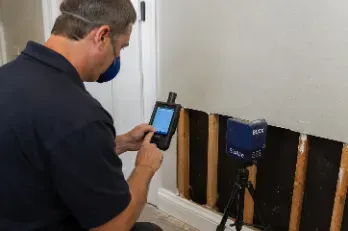
For larger mold problems, getting an assessment from a qualified mold remediation specialist can help identify the extent of the affected area and the work that may be required.
Can Insurance Pay for a Mold Remediation Contractor?
Whether insurance pays for a mold remediation contractor depends on the policy and the cause of the loss.
If the mold resulted from a covered water event and your policy includes applicable mold coverage, eligible remediation expenses may be covered up to the policy's limits.
However, a contractor's invoice does not automatically make the work an insurance-covered expense. The insurance company may review the cause of loss, scope of damage, policy exclusions, coverage limits, and required documentation.
When working on an insurance claim, it is useful to keep records of inspections, photographs, estimates, invoices, moisture documentation, and communication with your insurer.
Qualified mold remediation contractors can also help explain the scope of the work they recommend so you have a clearer understanding of what needs to be addressed.
What Does a Mold Remediation Specialist Do?
A mold remediation specialist focuses on identifying and addressing mold contamination rather than simply cleaning visible spots.
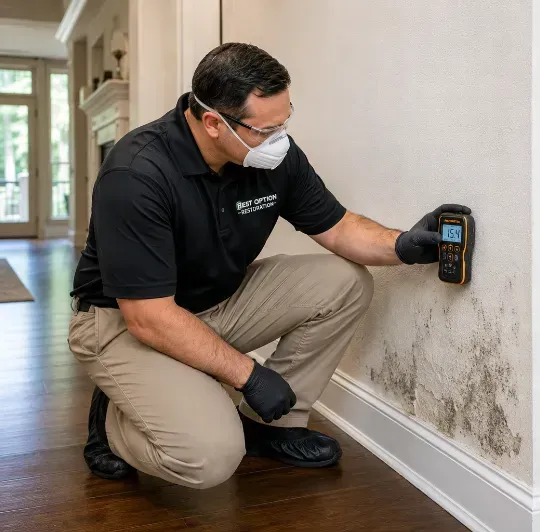
Depending on the situation, the professional may evaluate visible mold, look for moisture sources, identify affected building materials, establish containment when appropriate, remove materials that cannot be safely restored, clean suitable surfaces, and help dry the affected area.
The exact process depends on the property and the extent of the contamination.
A professional assessment can be particularly useful when mold is growing behind drywall, above ceilings, around insulation, or in areas affected by significant water damage.
What Can Cause Mold Damage in Texas Homes?
Texas homes can experience several conditions that contribute to moisture and mold growth.
Common sources include:
- Plumbing leaks and appliance failures
- Roof leaks and storm-related water intrusion
- Flooding and excessive indoor humidity
- Air-conditioning and condensation problems
- Poor ventilation and moisture around bathrooms
A covered insurance event and a mold problem can sometimes occur together, but the cause of the water damage remains important when determining coverage.
For example, a sudden pipe break may be treated differently from a slow leak that was present for an extended period.
How Can Homeowners Improve Their Chances of a Successful Claim?
Insurance claims depend on the terms of the policy, but good documentation can make it easier to explain what happened.
Homeowners should photograph the damage, keep receipts for reasonable emergency measures, document when the problem was discovered, and preserve relevant repair records.
Do not intentionally delay reporting a loss or allow additional damage to develop. Texas Department of Insurance notes that insurers may deny a claim if a homeowner fails to protect the property from further damage.
It is also important to distinguish emergency steps from permanent repairs. If possible, discuss significant repairs with your insurer before proceeding.
What Should You Check in Your Insurance Policy?
Before or after discovering mold, homeowners should review the sections of their policy that address water damage, mold, exclusions, deductibles, and additional endorsements.
Pay particular attention to whether your policy includes additional mold coverage and what limits apply.
The Texas Department of Insurance explains that coverage varies by insurance company and recommends reading your policy or speaking with your insurance agent to understand your exact coverage.
If you are unsure whether a particular mold loss is covered, ask your insurer specific questions about the cause of the water damage, the resulting property damage, and the cost of remediation.
Why Professional Mold Remediation May Still Be Important
Insurance coverage and mold remediation are two separate questions.
Even when coverage is uncertain, homeowners still need to address active mold and moisture problems appropriately. Repeatedly cleaning visible mold without finding the moisture source can allow the problem to return.
Professional remediation can help determine what materials are affected and what work may be necessary.
A qualified professional can also provide documentation describing the affected areas and recommended work. This may be useful when communicating with an insurance company, although the insurer ultimately determines coverage under the policy.
Final Thoughts
So, does homeowners insurance cover mold damage in Texas? Sometimes, but it depends on the cause of the mold, the type of water damage, your policy, and whether additional mold coverage applies.
Sudden and accidental water damage may be covered, while gradual leaks, seepage, and flooding are generally treated differently. Mold remediation and testing may also require additional coverage.
For Texas homeowners dealing with a mold problem, understanding mold insurance coverage before beginning major work can help you make informed decisions and avoid unexpected costs.
If you’ve discovered mold after water damage, get in touch today to discuss your concerns and learn how professional mold remediation services can help you determine the right next step for your property.
Frequently Asked Questions
1. Does homeowners insurance cover mold damage in Texas?
Homeowners insurance may cover mold damage when it results from a sudden and accidental water loss that is covered by the policy. Coverage varies by policy, and additional mold coverage may be required for certain cleanup, testing, or remediation expenses.
2. Does insurance cover mold remediation in Texas?
Mold remediation may be covered when the mold results from a covered loss and the policy includes applicable coverage. Some Texas homeowners policies offer optional mold coverage, so homeowners should review their policy, endorsements, limits, and exclusions.
3. Does homeowners insurance cover mold from a leaking pipe?
It depends on the type of leak. A sudden and accidental pipe break may be covered, while mold caused by a slow or ongoing leak may not be. The insurer will generally consider the cause and circumstances of the water damage.
4. Should I hire a mold remediation specialist before filing an insurance claim?
It can be helpful to document the mold and determine the extent of the problem, but homeowners should also contact their insurance company promptly and follow its claim procedures. A qualified mold remediation specialist can provide information about the affected materials and recommended work.
5. How do mold remediation contractors help with insurance claims?
Mold remediation contractors can assess affected areas, document damage, identify materials requiring remediation, and provide estimates or records of recommended work. However, the insurance company determines whether the work and related costs are covered under the policy.
Best Option Restoration