Do you or your family keep sneezing, coughing, or feeling tired at home, but feel better outside? Many people in Montgomery think it’s just seasonal allergies. But what if the real problem is inside your home?
This is where mold and allergies in Montgomery TX become important to understand. Hidden mold inside walls, attics, or air systems can quietly affect your health every day. Most families don’t even know it’s there until symptoms get worse.
For both homeowners and medical professionals, recognizing this connection is key. Mold is not just a cleaning issue it’s an indoor air problem that can affect breathing and overall health. When ignored, it can slowly impact your comfort, sleep, and daily life.
Why Allergies Are So Common in Montgomery
Montgomery, Texas has warm weather and high humidity. These conditions are perfect for mold growth. While many people blame pollen for allergies, indoor mold is often an overlooked cause.
Humidity allows mold spores to grow and spread inside homes. Once mold is present, it releases tiny particles into the air. These particles can enter your lungs and trigger allergic reactions.
Another reason allergies are common is that homes today are more sealed for energy efficiency. While this helps reduce energy costs, it also traps air inside. If that air contains mold spores, they continue to circulate throughout the home.
This is why improving indoor air quality in Texas homes is so important. If the air inside your home is not clean, your body is constantly exposed to irritants. Over time, this exposure can make symptoms worse and harder to ignore.
What Is Mold and Why Does It Grow Indoors?
Mold is a type of fungus that grows in damp and dark places. It needs moisture to survive, which is why it is commonly found in:
- Attics
- Bathrooms
- Basements
- Behind walls
- Air ducts
Even small leaks or humidity can create enough moisture for mold to grow. Once it starts, it can spread quickly without being seen.
Mold grows by releasing spores, which are tiny particles that travel through the air. These spores can land on surfaces and start growing when moisture is present. This is why mold can spread from one area to another without direct contact.
In Montgomery homes, mold growth often happens because of:
- High humidity levels
- Poor ventilation
- Water leaks
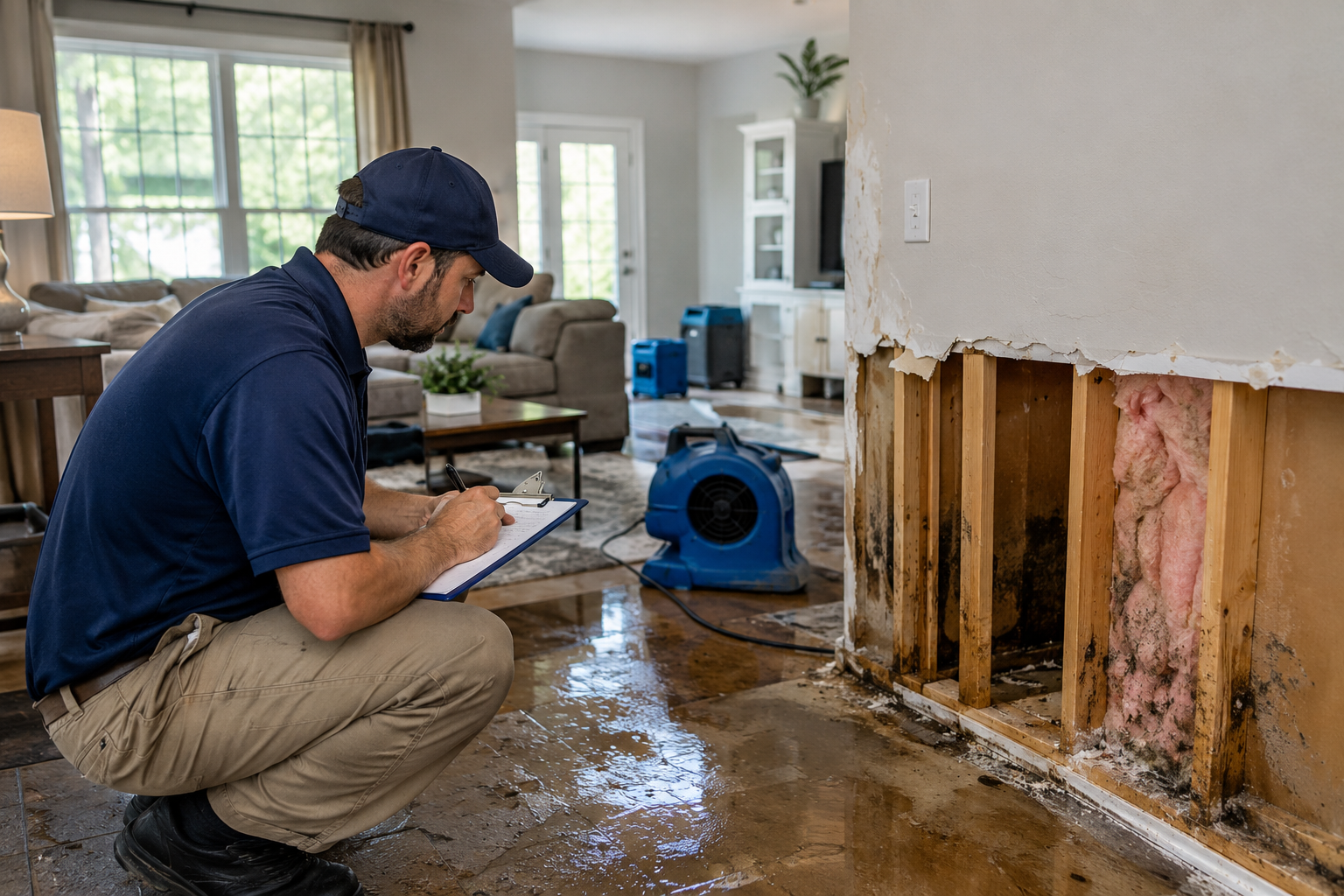
- Damp insulation
Understanding these causes helps explain why mold and allergies in Montgomery TX are so closely connected.
How Mold Affects Your Health
Mold does not just stay on surfaces it affects the air you breathe. When mold releases spores, they travel through the air and enter your body.
This can lead to respiratory issues from mold, especially for sensitive individuals like children, elderly people, and those with asthma.
Common health effects include:
- Sneezing and runny nose
- Coughing or throat irritation
- Headaches
- Skin irritation
- Breathing difficulty
Some people may also feel tired, have trouble concentrating, or experience sinus pressure. These symptoms can easily be mistaken for common allergies or colds.
For some people, symptoms may feel mild at first. But when exposure continues, the condition can become more serious. Long-term exposure can worsen existing health issues and reduce overall comfort at home.
Hidden Mold: The Problem You Can’t See
One of the biggest challenges with mold is that it is often hidden. You may not see it, but it can still affect your health.
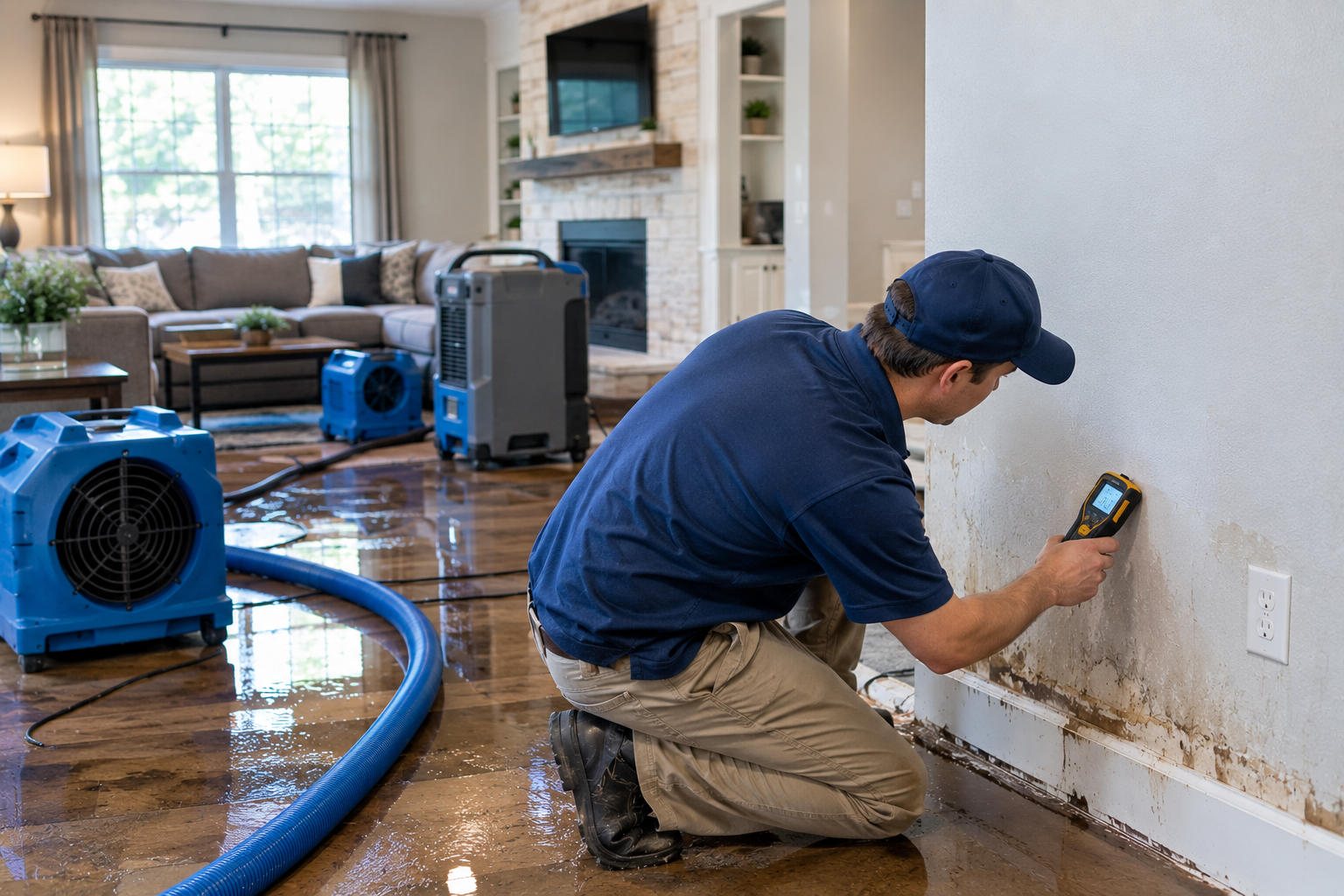
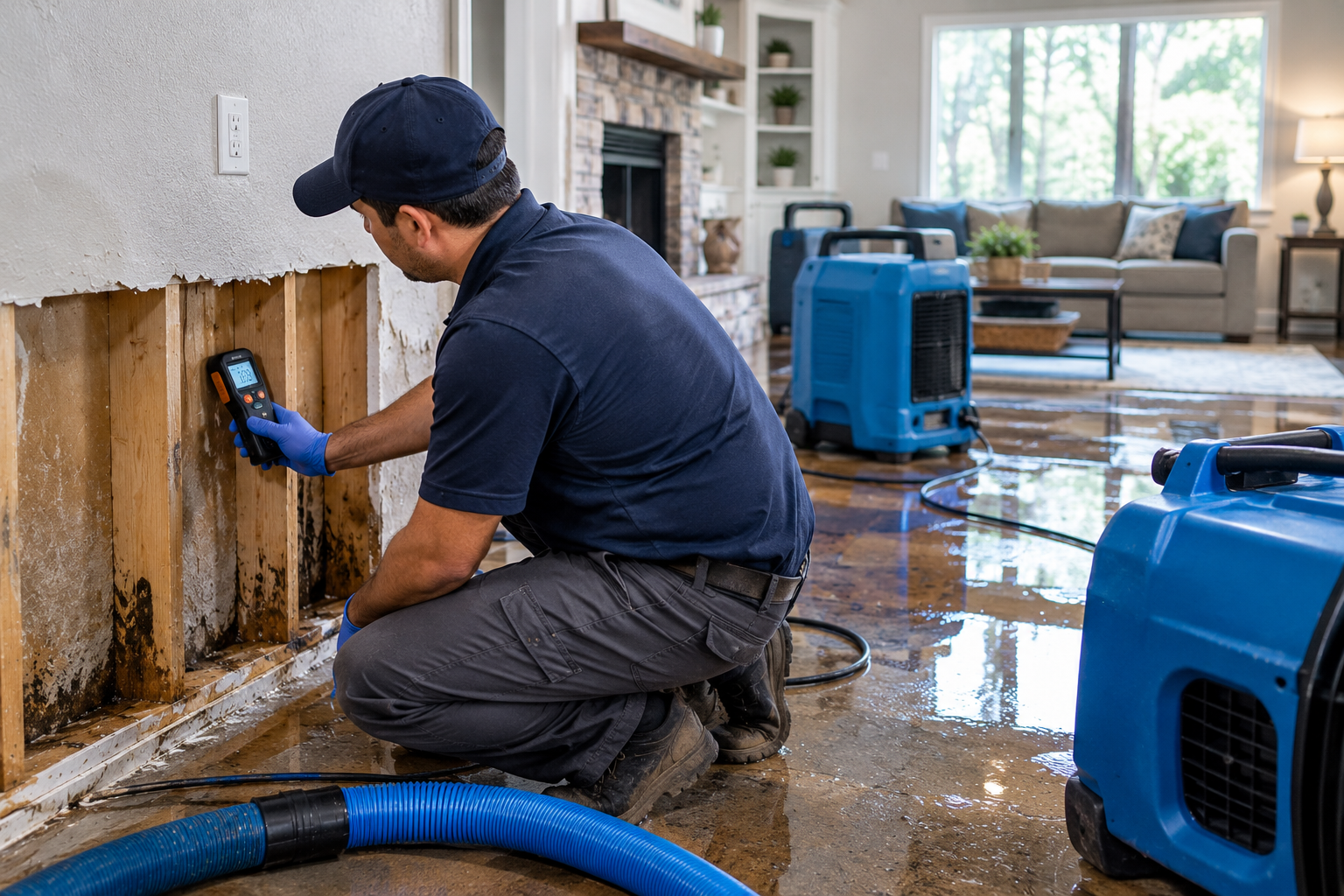
Mold can grow behind walls, under carpets, inside insulation, or within HVAC systems. This makes it difficult to detect without proper inspection.
In many homes, mold develops slowly over time. A small leak or moisture problem may go unnoticed, allowing mold to spread quietly. By the time symptoms appear, the mold may already be widespread.
Many families continue to suffer from symptoms without realizing the cause is inside their home. This is why identifying hidden mold is an important step in solving allergy problems.
If you suspect mold but cannot find it, you may want to explore your contact page to connect with professionals who can inspect your home properly and identify hidden sources.
Signs Your Allergies May Be Caused by Mold
Not all allergies are caused by pollen. In many cases, mold is the hidden trigger.
Here are some signs to watch for:
- Symptoms get worse indoors
- Musty smell in certain areas
- Allergy symptoms throughout the year
- Increased symptoms during humid weather
Another common sign is when symptoms improve after leaving the house. If you feel better outdoors or in a different building, indoor air quality may be the issue.
These signs often point to indoor mold rather than outdoor allergens. Understanding this difference helps families take the right steps toward improving their health. If these symptoms feel familiar, professionals at Best Option Restoration can help you better understand what might be affecting your home environment.
The Role of Indoor Air Quality
Air quality inside your home plays a major role in your health. Poor indoor air quality Texas homes can lead to ongoing exposure to mold spores and other pollutants.
When air does not circulate properly, moisture builds up and mold grows. At the same time, contaminants remain trapped inside, increasing exposure levels.
Indoor air quality can be affected by many factors, including humidity, ventilation, and cleanliness. Even everyday activities like cooking or showering can add moisture to the air.
Improving air quality includes:
- Proper ventilation
- Air filtration
- Humidity control
- Regular maintenance
Simple changes, like opening vents or using exhaust fans, can make a noticeable difference. Over time, these improvements help create a healthier indoor environment. For deeper inspection and long-term solutions, the team at Best Option Restoration can guide homeowners in improving indoor air conditions effectively.
Why Children and Elderly Are More Affected
Certain groups are more sensitive to mold exposure. Children and elderly individuals are especially at risk because their immune systems are either still developing or weaker.
For children, exposure to mold can affect breathing and overall development. They may experience frequent coughing, congestion, or allergies. For elderly individuals, mold exposure can worsen existing health conditions, especially those related to the lungs or immune system.
Medical professionals often see a link between respiratory issues from mold studies and similar cases seen in humid regions like Montgomery. This shows that mold-related health issues are not limited to one location, they are part of a broader concern that affects many homes in humid climates.
How to Reduce Mold and Allergy Risks at Home
Reducing mold exposure starts with controlling moisture and improving airflow. Small changes can have a big impact over time.
Simple Steps You Can Take
- Fix leaks as soon as possible
- Keep humidity levels low
- Use exhaust fans in bathrooms and kitchens
- Clean and maintain HVAC systems
You can also check areas like attics, basements, and under sinks regularly for signs of moisture. Catching problems early helps prevent mold from spreading.
Consistency is key. Regular maintenance and awareness can go a long way in keeping your home safe and comfortable.
When to Seek Professional Help
Sometimes, mold problems go beyond what homeowners can manage on their own. If symptoms continue or mold keeps returning, professional help may be needed.
Experts can identify hidden mold, test air quality, and recommend proper solutions. They also have the tools needed to handle mold safely and effectively. Professional inspections are especially helpful when mold is not visible but symptoms persist. This ensures that the root cause is found and addressed.
If your family is dealing with ongoing allergy symptoms, consider reaching out through our contact page to connect with professionals who understand mold and allergies in Montgomery TX and can guide you toward the right solution.
Conclusion: Understanding the Hidden Connection
Mold and allergies are closely connected, especially in humid areas like Montgomery. While many people focus on outdoor allergens, indoor mold often plays a bigger role than expected.
By understanding the link between mold and allergies in Montgomery TX, families can take steps to improve their living environment and protect their health. Simple changes like controlling humidity, improving ventilation, and addressing moisture issues can make a big difference. When needed, professional support can help identify and resolve hidden problems.
If your family is experiencing ongoing allergy symptoms at home, it may be time to take action, you can connect with experts through our contact page to schedule a professional inspection and get the right solution. A healthier home starts with cleaner air, and awareness is the first step.
FAQs (Frequently Asked Questions)
1. How are mold and allergies connected in Montgomery TX?
Mold releases spores into the air, which can trigger allergic reactions. In humid areas like Montgomery, mold grows easily, making mold and allergies in Montgomery TX a common health concern for many families.
2. What are symptoms of mold-related allergies?
Common symptoms include sneezing, coughing, runny nose, itchy eyes, and breathing issues. These symptoms often worsen indoors, especially when exposed to poor indoor air quality Texas homes with hidden mold.
3. Can mold cause serious respiratory problems?
Yes, mold exposure can lead to respiratory issues from mold, especially for children, elderly individuals, and people with asthma or weakened immune systems.
4. How can I improve indoor air quality in Texas homes?
Improving indoor air quality Texas homes involves reducing humidity, improving ventilation, fixing leaks, and maintaining HVAC systems to prevent mold growth and reduce airborne contaminants.
5. How do I know if mold is causing my allergies?
If symptoms worsen indoors, last year-round, or are combined with musty odors, mold may be the cause. A professional inspection can confirm if mold is affecting your indoor environment.
Best Option Restoration