
Have you ever noticed a musty smell in your home but couldn't figure out where it was coming from? Maybe you've cleaned every room, opened windows, and even checked for visible mold, yet the smell remains.
This situation is more common than many Texas homeowners realize. Mold often grows in places that are difficult to see. In fact, some of the most serious mold problems develop behind walls, inside ceilings, under flooring, or within HVAC systems long before visible signs appear.
This is one reason why mold removal services are frequently needed even when homeowners cannot immediately spot mold growth. By the time mold becomes visible, it may have already spread throughout hidden areas of the property.
Texas homes face unique challenges because of the state's humidity, heavy rainstorms, occasional flooding, and temperature fluctuations. These conditions create the perfect environment for moisture problems that allow mold to thrive.
Understanding where mold commonly hides can help homeowners identify problems earlier, protect their property, and know when it is time to contact professional help.
Why Hidden Mold Is So Common in Texas Homes
Texas weather creates ideal conditions for mold growth. High humidity levels, severe storms, plumbing leaks, and HVAC condensation all contribute to moisture buildup inside homes.
Many homeowners assume mold only grows in places that are obviously wet. However, mold only needs moisture, organic material, and time to begin growing. Drywall, wood, insulation, carpet backing, and ceiling materials can all provide food sources for mold.
What makes mold especially challenging is that it often develops slowly in hidden spaces. A small leak behind a wall may go unnoticed for months. During that time, mold can spread across building materials without producing obvious visual signs.
Because hidden mold is often difficult to identify, homeowners may first notice symptoms such as musty odors, allergy-like reactions, or unexplained discoloration before discovering the actual source of the problem.
This is why routine inspections and early moisture detection are important in Texas homes.
Behind Drywall and Interior Walls
One of the most common places mold hides is behind drywall.
Water leaks from plumbing lines, roof penetrations, or exterior wall openings can introduce moisture into wall cavities. Since these areas are enclosed, moisture may remain trapped for extended periods.
Homeowners often do not realize there is a problem until paint begins bubbling, drywall starts softening, or a musty odor becomes noticeable.
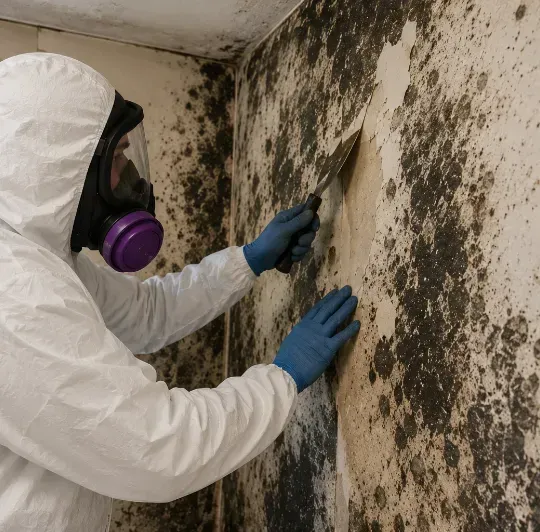
The challenge is that mold can spread extensively inside wall cavities without being visible from the living space. By the time symptoms appear, remediation may require opening sections of the wall to address the contamination properly.
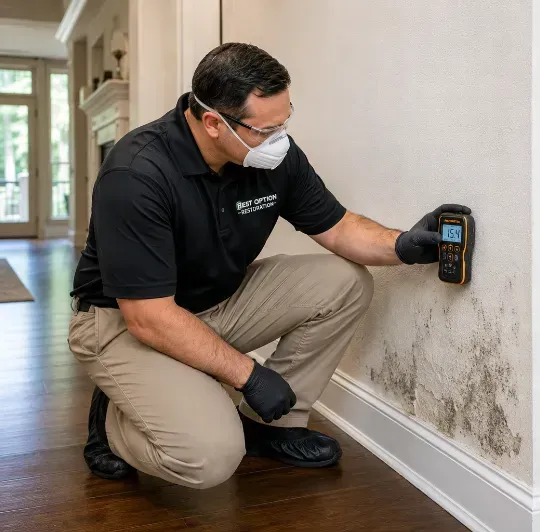
Professional inspections often use moisture meters and thermal imaging equipment to help identify hidden moisture behind walls before extensive damage occurs.
Inside Attics and Roof Structures
Attics are another area where mold frequently develops.
Texas attics experience extreme temperature changes throughout the year. During hot summer months, attic temperatures can become very high, while cooler weather may create condensation issues.
Poor ventilation, roof leaks, and insufficient insulation can allow moisture to accumulate inside attic spaces. Because homeowners rarely spend time in attics, mold growth can continue unnoticed for long periods.
Mold in attics often affects:
- Roof decking
- Wooden rafters
- Insulation materials
- Ventilation systems
Even a small roof leak can create enough moisture for mold growth. Over time, this can lead to structural concerns and indoor air quality issues.
If you notice staining on ceilings or detect musty odors near attic access points, it may be worth having the area inspected by experienced professionals.
Around HVAC Systems and Air Ducts
Heating and cooling systems can also become hidden mold hotspots.
Air conditioning systems naturally produce condensation. If drain lines become clogged or components are not properly maintained, excess moisture can accumulate around HVAC equipment.
Mold may develop on:
- Evaporator coils
- Drain pans
- Ductwork insulation
- Air vents
When mold develops inside an HVAC system, spores can potentially circulate throughout the home whenever the system operates.
Many homeowners are surprised to learn that their mold issue is connected to their air conditioning system rather than a plumbing leak or roof problem. Because HVAC systems can spread mold spores throughout multiple rooms, hidden contamination is often larger than homeowners initially expect.
Professionals at Best Option Restoration of North Houston frequently inspect HVAC-related moisture issues and help homeowners determine whether mold growth is isolated to one area or affecting a larger portion of the property. Early evaluation can help prevent indoor air quality concerns from becoming more serious over time.
Beneath Flooring Materials
Flooring can hide significant mold problems, especially after water damage events.
Leaks from appliances, plumbing fixtures, or flooding can allow water to become trapped beneath flooring materials. In some cases, surfaces may appear dry while moisture remains underneath.
Mold frequently develops beneath:
- Hardwood flooring
- Laminate flooring
- Vinyl flooring
- Carpet padding
Because the moisture is hidden below the surface, homeowners often do not discover the issue until flooring begins warping, buckling, or producing odors.
The longer moisture remains trapped beneath flooring, the greater the potential for mold growth and structural damage.
This is one reason many property owners seek professional mold removal services following water damage incidents.
Under Sinks and Around Plumbing Fixtures
Kitchen and bathroom plumbing leaks are among the most common causes of indoor mold.
Small leaks beneath sinks often go unnoticed because they occur inside cabinets or enclosed spaces. Even a slow drip can create enough moisture for mold growth over time.
Homeowners should periodically inspect areas around:
- Bathroom sinks
- Kitchen sinks
- Toilets
- Dishwashers
- Washing machine connections
Dark cabinet interiors combined with ongoing moisture create ideal conditions for mold development.
Fortunately, these areas are relatively easy to inspect compared to wall cavities or attic spaces. Catching leaks early can help prevent larger remediation projects later.
Inside Bathrooms and Shower Areas
Bathrooms naturally contain more moisture than most areas of the home.
Steam from showers, inadequate ventilation, and water splashing onto surfaces all contribute to elevated humidity levels.
Mold often develops in hidden bathroom locations such as behind tile, beneath flooring, inside wall cavities, and around shower enclosures.
While visible mold around grout lines is common, hidden mold behind bathroom walls can become a much larger issue if moisture intrusion continues over time.
Using exhaust fans consistently and addressing water leaks quickly can help reduce mold risks in these areas.
Inside Crawl Spaces and Foundation Areas
Homes with crawl spaces face unique moisture challenges.
Ground moisture, poor drainage, and inadequate ventilation can allow humidity levels to rise significantly beneath the home.
These conditions create an environment where mold can grow on:
- Wooden support beams
- Floor joists
- Subfloor materials
- Insulation
Since most homeowners rarely enter crawl spaces, mold can spread unnoticed for years.
In addition to affecting structural components, crawl space mold can influence indoor air quality because air often moves upward into living areas through natural airflow patterns.
Proper moisture control and ventilation are essential for maintaining a healthy crawl space environment.
Around Windows and Exterior Doors
Windows and exterior doors may seem harmless, but they are common locations for hidden moisture problems. Poor seals, condensation, and water intrusion can allow moisture to accumulate around frames and wall assemblies.
Over time, mold may develop inside surrounding drywall or wood trim. Signs of potential problems include discoloration, peeling paint, soft materials, or persistent condensation.
Because these issues often develop slowly, homeowners may overlook them until more significant damage occurs. Regular inspections can help identify concerns before extensive remediation becomes necessary.
Warning Signs Hidden Mold May Be Present
Many mold problems reveal themselves through indirect symptoms before visible growth appears.
Common warning signs include:
- Persistent musty odors
- Unexplained allergy symptoms indoors
- Water stains on walls or ceilings
- Peeling paint
- Increased indoor humidity
- Warped flooring materials
If multiple signs appear together, hidden mold may be present somewhere within the property.
The sooner the source is identified, the easier it is to address the problem before contamination spreads further.
When to Contact Mold Removal Contractors
Not every mold issue requires major remediation. However, larger contamination problems often require professional assistance.
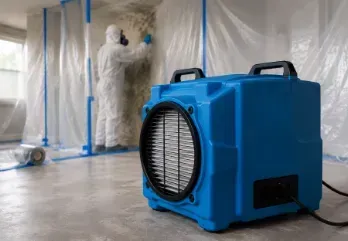
Experienced mold removal contractors can help identify hidden moisture sources, evaluate contamination levels, and determine the most effective remediation approach.
Professional inspections are especially valuable when:
- Mold keeps returning
- Water damage recently occurred
- Strong odors persist
- Visible mold covers large areas
- Occupants experience ongoing indoor air quality concerns
Professionals have access to specialized equipment that can locate moisture in areas homeowners cannot easily inspect themselves.
Searching for Mold Removal Near Me
Many homeowners begin their search by typing mold removal near me into a search engine after noticing signs of contamination.
While local availability is important, experience and qualifications should also be considered.
Look for companies that understand moisture detection, containment procedures, remediation planning, and Texas-specific environmental conditions.
If you suspect mold may be hiding somewhere in your home, you can visit our contact page to connect with professionals who can help evaluate your property and recommend the appropriate next steps.
Conclusion
Mold can develop in hidden areas long before visible damage appears, making it one of the most overlooked problems in Texas homes. From attics and crawl spaces to HVAC systems and behind walls, hidden moisture can create the perfect environment for mold growth without homeowners realizing it.
Understanding where mold commonly hides is the first step toward protecting your property, indoor air quality, and long-term health. If you notice musty odors, recent water damage, or signs of excess moisture, it is important to address the issue before it spreads further.
Professional mold removal services can help identify hidden contamination, eliminate the source of moisture, and restore a safer living environment.
If you would like expert guidance for your property, visit our contact page to connect with the team at Best Option Restoration and schedule a professional assessment.
FAQs (Frequently Asked Questions)
1. Where does mold most commonly hide in Texas homes?
Mold commonly hides behind drywall, inside attics, beneath flooring, around HVAC systems, under sinks, and inside crawl spaces where moisture is present but difficult to see.
2. What are signs that hidden mold may be present?
Common signs include musty odors, water stains, peeling paint, warped flooring, increased humidity, and allergy symptoms that seem worse indoors.
3. When should I call mold removal contractors?
You should contact mold removal contractors if mold continues returning, water damage has occurred, odors persist, or contamination appears to be spreading beyond a small area.
4. Can mold grow behind walls without being visible?
Yes. Mold often grows inside wall cavities where plumbing leaks, roof leaks, or moisture intrusion occur. It can remain hidden for months before visible signs appear.
5. How do mold removal services find hidden mold?
Professional mold removal services often use moisture meters, thermal imaging equipment, visual inspections, and building science knowledge to identify hidden moisture and contamination
Best Option Restoration