
Have you discovered mold in your home and started wondering, “Will my insurance cover this?” If mold appeared after a burst pipe, roof leak, storm, or another sudden water problem, filing a mold damage insurance claim may be one of your first concerns.
Dealing with mold is stressful enough without adding insurance paperwork to the situation. The good news is that taking the right steps early can make the process easier. You will usually need to document the damage, identify the source of moisture, protect your property from further damage, and provide reports or estimates when requested.
Here is a step-by-step guide to help you understand the process.
Does Homeowners Insurance Cover Mold Damage?
Whether homeowners insurance covers mold depends on your policy and what caused the mold.For a more detailed explanation, see our guide to whether mold remediation is covered by homeowners insurance in Texas.
Mold that develops after a sudden and covered water event may be treated differently from mold caused by long-term leaks, poor maintenance, flooding, or ongoing moisture problems. For example, if a covered plumbing pipe suddenly bursts and water damages your walls, mold that develops afterward may have some coverage depending on your policy.
However, mold caused by an ignored leak that existed for months may not receive the same treatment.
Insurance policies vary, so never assume that mold is automatically covered or excluded. Review your policy and contact your insurance provider to understand what coverage may apply to your situation.
Step 1: Stop the Source of Moisture
Before focusing on your insurance claim, take reasonable steps to stop the source of water if it is safe to do so.
You may need to shut off the water supply after a plumbing leak or contact a qualified professional about a roof problem. The goal is to prevent additional damage.
Avoid making major repairs or removing large sections of the property before documenting the condition. Your insurance company may need to see what happened and how extensive the original damage was.
If emergency action is necessary, keep receipts and records of the work performed.
Step 2: Document the Mold and Water Damage
Good documentation can be extremely helpful during a mold damage insurance claim.
Before cleaning or removing damaged materials, take clear photographs and videos whenever possible. Take close-up pictures of visible mold as well as wider photos showing where the damage is located.
Document water stains, damaged drywall, ceilings, flooring, furniture, personal belongings, and other affected areas. If you know when the water event happened, write down the date and explain what occurred.
Also record when you first noticed moisture or mold and what actions you took afterward. These details can help establish a timeline for your claim.
Step 3: Contact Your Insurance Company
After documenting the damage, contact your insurance company or agent as soon as reasonably possible.
Explain what happened clearly. Tell them when the water damage occurred, what caused it if known, and where mold was discovered.
Your insurer may send an adjuster to inspect the property and determine what damage may be covered. Ask what documentation they require and whether there are specific procedures you should follow before beginning repairs.
Keep records of your conversations with the insurer, including dates, names of representatives, and important information they provide.
Step 4: Understand What Caused the Mold
Mold is usually a result of a moisture problem rather than the original cause of property damage.
A plumbing leak, roof leak, appliance failure, storm, or other water event can create the conditions that allow mold to grow. Understanding where the moisture came from can therefore be important when dealing with your insurance company.
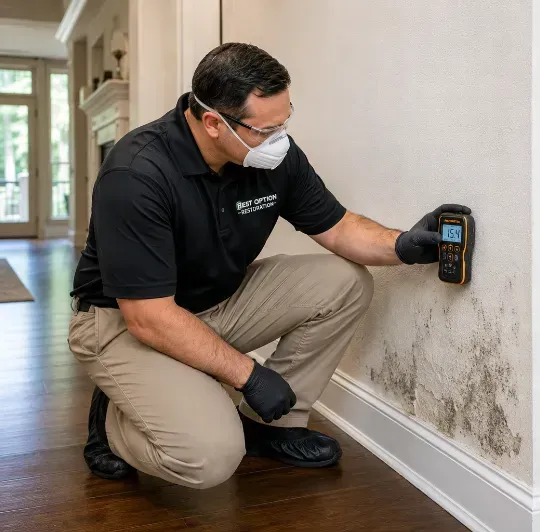
This can be especially useful when mold is hidden behind walls, underneath flooring, or in other difficult-to-see locations. Hidden mold detection can help determine whether moisture and mold extend beyond the areas you can see.
If the cause is unclear, ask your insurer what type of inspection or documentation may be required.
Step 5: Get a Professional Mold Assessment or Inspection
If mold is widespread, hidden, or connected to significant water damage, professional assistance may be appropriate.
A qualified professional can inspect affected areas and help determine the extent of the problem. Depending on the situation, they may look for moisture behind walls, under flooring, around ceilings, and in other areas that cannot be properly evaluated through a simple visual inspection.
This can help prevent a situation where visible mold is addressed while hidden moisture remains.
If you are in Texas, remember that mold assessment and remediation can be regulated activities depending on the property and scope of work. Ask your insurance company whether it has specific requirements for inspections, reports, or contractors.
Step 6: Keep Estimates, Reports, and Receipts
Insurance claims can involve a lot of paperwork. Keep all important documents together throughout the process.
Save photographs, inspection reports, repair estimates, invoices, receipts, and communication with your insurance company. If you hire mold remediation services, keep the written estimate and description of the proposed work.
You may also need documentation related to water extraction, structural drying, plumbing repairs, roof repairs, reconstruction, or replacement of damaged materials.
Keeping everything organized makes it easier to respond when your insurer requests additional information.
Step 7: Arrange Necessary Emergency Mitigation
If water is still present or the property could suffer additional damage, emergency mitigation may be necessary.
Water extraction, drying, and other immediate measures can help prevent the problem from becoming worse. However, contact your insurance company as soon as possible and follow the instructions provided by your policy.
Emergency mitigation is intended to protect the property, not necessarily complete the entire renovation. For example, if a broken pipe floods part of your home, removing standing water and starting appropriate drying may be necessary.
Keep receipts for emergency services and materials because they may be relevant to your claim.
Step 8: Work With a Professional Mold Remediation Company
Significant mold contamination may require professional remediation.
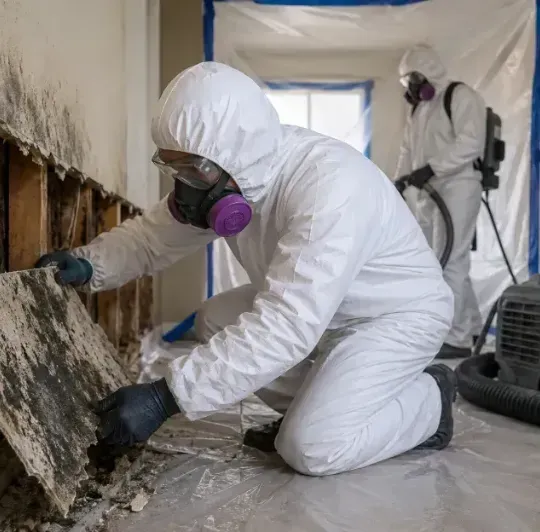
Professional mold remediation services can address affected areas through appropriate containment, cleaning, removal, and drying procedures. The exact work depends on how extensive the mold is and which materials are affected.
Some materials may be cleaned and restored, while heavily contaminated porous materials may need to be removed.
A professional company can explain the proposed scope of work and provide documentation that may help you explain the damage to your insurance company. However, do not assume that every recommended service will automatically be covered. Ask your insurer about coverage and authorization requirements before beginning major work whenever possible.
Step 9: Meet With the Insurance Adjuster
Your insurance company may send an adjuster to inspect your property.
The adjuster may document the damage, ask questions about what happened, and review the records you provide. Be honest and give them the information you have.
Show the affected areas and provide photographs, videos, reports, estimates, and receipts. If additional damage becomes visible after the first inspection, document it and notify your insurer.
Do not throw away damaged materials or belongings before confirming whether the insurance company needs to inspect them, unless keeping them creates a health or safety concern.
Step 10: Review the Claim Decision Carefully
After reviewing the damage, your insurer will determine what portion of the loss may be covered under your policy.
Read the claim decision carefully rather than focusing only on the final payment amount. Check which repairs were approved, what was excluded, and whether your deductible or policy limits affect the payment.
If something is unclear, ask your insurance representative for an explanation.
If your claim is denied or you believe the settlement does not reflect covered damage, request a written explanation and review the policy language involved.
Common Mistakes to Avoid
Several mistakes can make a mold damage insurance claim more difficult. Homeowners should also avoid common mold removal mistakes, such as cleaning visible growth without addressing the moisture source.
Waiting too long to report the damage, failing to document the property, or assuming that every mold-related expense is covered can create problems. Starting major repairs before your insurer has an opportunity to inspect the damage may also make documentation more difficult.
Remember to:
- Document damage before major cleanup whenever possible.
- Keep receipts, reports, estimates, and communication records.
- Address the moisture source and take reasonable steps to prevent additional damage.
- Understand your policy before approving major repair or remediation work.
What If Your Insurance Claim Is Denied?
A denied claim does not necessarily mean you have no options.
First, read the denial letter carefully. Identify why the insurer denied the claim and review the policy language they relied on.
You can contact your insurance company and ask questions about the decision. If important information was missed, provide additional documentation that supports your claim. This could include photographs, professional reports, repair records, or evidence showing when the water damage occurred.
If you still disagree with the decision, consider speaking with an insurance professional or attorney who handles property insurance matters in your state.
How Mold Remediation Services Can Help
Mold remediation and insurance claims are separate parts of the same property damage situation.
Your insurance company determines coverage according to your policy, while a remediation company focuses on addressing the mold and moisture problem.
Experienced mold remediation services can inspect affected areas, provide estimates, explain the proposed scope of work, and complete necessary cleanup when authorized. A mold remediation specialist may also help identify areas where moisture or mold is hidden.
Proper documentation from the remediation company can make it easier to explain what work is needed, although it does not guarantee insurance coverage.
How Long Does a mold damage insurance claim Take?
There is no standard timeline for every mold damage insurance claim.
Simple claims may move quickly, while claims involving water damage restoration, hidden mold, multiple contractors, or coverage questions can take longer.
The timeline may depend on how quickly the damage is reported, when an adjuster can inspect the property, how much documentation is needed, and whether additional damage is discovered.
You can help avoid unnecessary delays by responding promptly to your insurer and keeping your records organized.
Should You Repair Mold Before the Insurance Inspection?
In many situations, it is helpful to document the damage and contact your insurance company before beginning major repairs.
However, emergency action may be necessary when immediate work is needed to protect the property or prevent additional damage. Take photographs and videos before work begins whenever possible, keep receipts, and notify your insurer about emergency work.
Ask your insurance company what it wants you to do before removing damaged materials or starting extensive remediation.
Conclusion
Filing a mold damage insurance claim can feel complicated when you are already dealing with water damage and mold. The process generally starts with stopping the moisture source, documenting the damage, contacting your insurance company, determining the cause, and arranging appropriate inspections or mitigation.
If professional cleanup is needed, professional mold remediation services can help address affected areas and provide documentation about the work.
Remember that coverage depends on your individual policy and the cause of the damage. Do not assume mold is automatically covered or excluded.
If you have discovered mold after water damage, taking organized steps early can make the situation easier to manage. Contact our team through our Contact page to discuss your mold concerns and learn about the next steps for your property.
Frequently Asked Questions
1. Does homeowners insurance cover mold damage?
Homeowners insurance may cover mold damage when it results from a sudden, covered water event, such as a burst pipe. Coverage varies by policy, and mold caused by long-term leaks, flooding, poor maintenance, or ongoing moisture may not be covered.
2. How do I file a mold damage insurance claim?
To file a mold damage insurance claim, stop the moisture source, document the mold and water damage, contact your insurance company, identify the cause, arrange an inspection if needed, and keep estimates, reports, receipts, and other claim records.
3. Should I repair the mold before the insurance inspection?
Generally, document the mold and contact your insurance company before starting major repairs. If emergency mitigation is necessary to prevent additional property damage, take photos and videos first when possible, keep receipts, and notify your insurer about the work.
4. What should I document for a mold damage insurance claim?
Document visible mold, water stains, damaged drywall, ceilings, flooring, furniture, and personal belongings with clear photos and videos. Also record when the water event occurred, when you noticed the mold, and what steps you took afterward.
5. How long does a mold damage insurance claim take?
A mold damage insurance claim can take different amounts of time depending on the damage, documentation, adjuster inspection, hidden mold, contractors involved, and coverage questions. Reporting the damage promptly and keeping records organized can help avoid unnecessary delays.
Best Option Restoration