
The 2026 El Niño Threat: Complete Disaster Preparedness and Property Restoration Guide
As meteorological models finalize their projections, property owners across the United States face a critical reality: the transition from ENSO-neutral conditions to a potentially historic El Niño climate pattern in 2026. According to the Climate Prediction Center, there is a 61% probability of El Niño emerging between May and July 2026, persisting through the end of the year. Even more concerning, recent long-range outlooks suggest a 25% chance of a "very strong" or super El Niño developing by late 2026 or early 2027. This profound climate shift brings a highly elevated risk of extreme weather, flash flooding, and catastrophic structural damage to residential and commercial structures.
Macro-economic analyses increasingly show that extreme weather events driven by recurring patterns like El Niño drastically impact the real economy, driving billions of dollars in property damage and loss of operations. This guide serves as your exhaustive, step-by-step resource for understanding the meteorological threat, preparing your property's defenses, and connecting with elite, rapid-response restoration services before the worst of the storm season arrives. Do not wait for the water to rise; proactive preparation is the key to preserving the value and safety of your home or business.
1. Live Weather Tracking & Impending Threat Levels
In the disaster restoration industry, we know that seconds matter. When dealing with extreme weather, the difference between minor dampness and total structural failure is often measured in minutes. Our live integration tools provide you with immediate situational awareness so you can make informed decisions regarding evacuation and property defense.
1.1. Real-Time Graphical Radar & Storm Map
Utilizing high-resolution models via the Windy.com interactive map, you can monitor your immediate localized threat below in real time. Bookmark this page to keep an eye on rapidly deteriorating conditions in your specific service area.
🔴 LIVE EL NIÑO INTERACTIVE RADAR (HOUSTON, TX)
1.2. Interpreting Warnings
When monitoring the live radar, understanding the distinction between a Watch and a Warning is crucial for your safety and property defense. A Severe Weather Watch means that conditions are favorable for extreme weather, and you should review your emergency plans. A Severe Weather Warning indicates that dangerous weather is imminent or currently occurring in your immediate area. If a Warning is issued, you must take immediate protective action.
2. The Science of El Niño: What the 2026 Forecast Means for Your Property
Understanding why these storms are occurring helps property owners better anticipate the types of damage they may face. El Niño alters the very fabric of the atmosphere, dictating where and how hard storms will strike.
2.1. The Transition from La Niña to El Niño in 2026
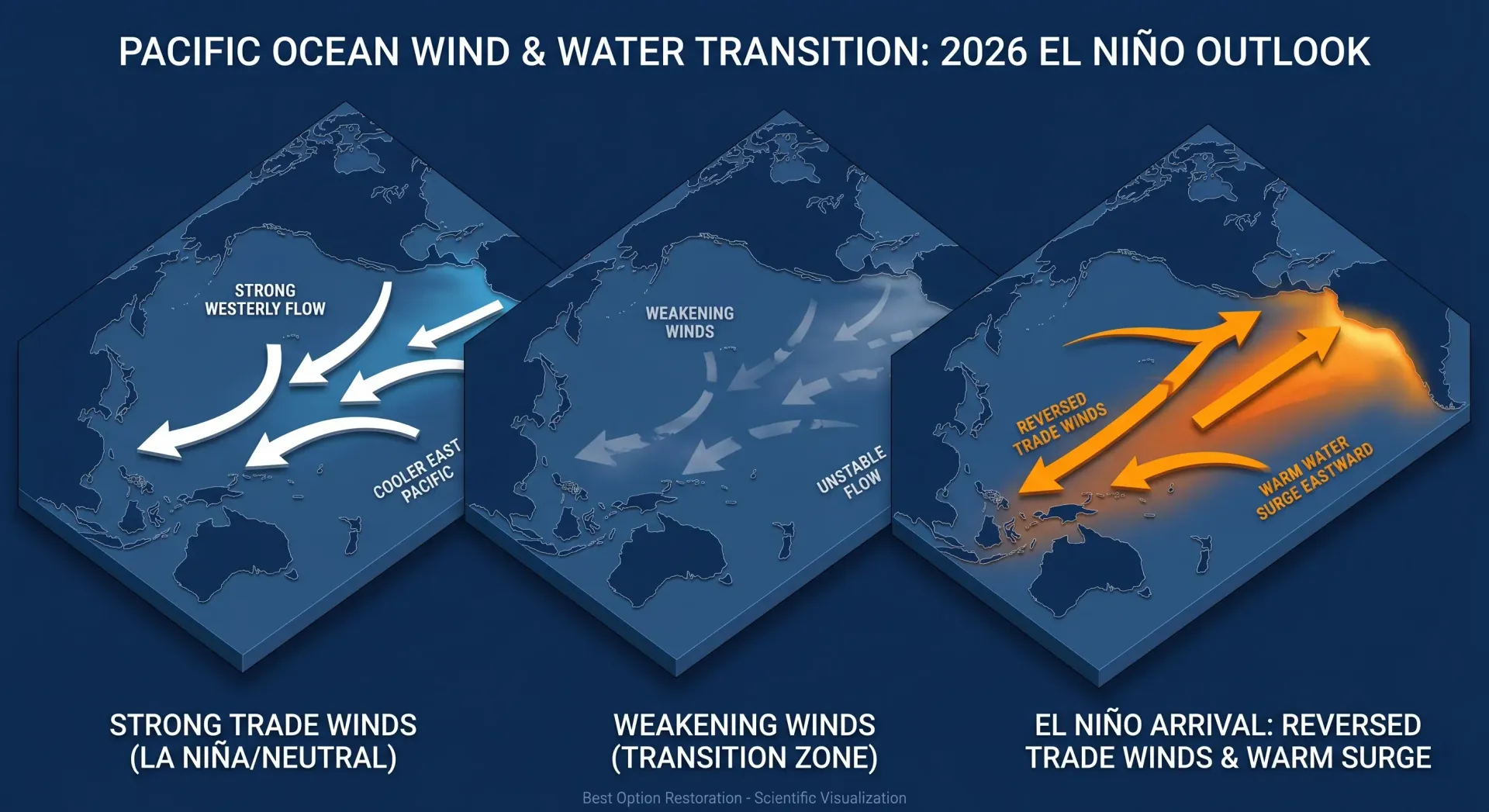
The El Niño-Southern Oscillation (ENSO) pattern is characterized by the warming of the equatorial Pacific Ocean. A key mechanism of ENSO is the Bjerknes feedback, in which atmospheric changes alter sea temperatures that, in turn, alter the atmospheric winds in a positive feedback loop. Current climate forecasts indicate a massive shift. This transition means weaker easterly trade winds will allow a surge of warm surface waters to travel eastward, radically altering global atmospheric circulation.
2.2. Jet Stream Shifts and Regional Vulnerabilities
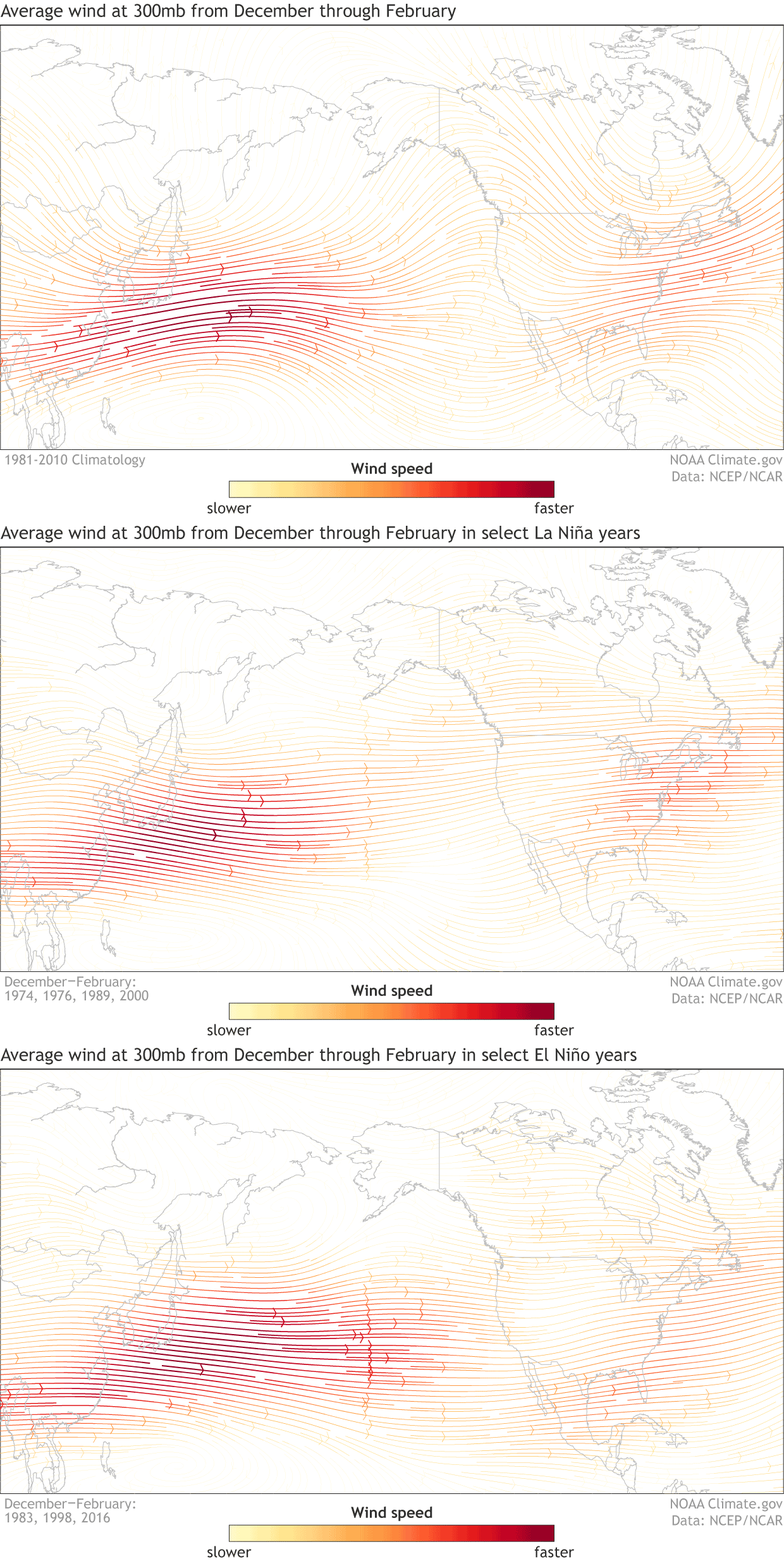
During an El Niño event, the Pacific jet stream is typically pushed eastward and southward, dramatically modifying precipitation patterns and funneling moisture-rich air into specific corridors of the United States. As we look toward the 2026-2027 storm season, El Niño patterns favor a much more southerly track, driving intense moisture directly into the Gulf Coast region.
2.2.1. Gulf Coast & Texas: Heavy Rainfall and Flash Flooding Risks

For the southern tier of the United States, including Texas, El Niño frequently brings cooler and substantially wetter conditions. An active subtropical jet stream continually funnels Gulf moisture into the region, elevating the risk of severe, sustained flash flooding. For property owners, this translates to a massive, urgent need for water damage restoration as municipal drainage systems are quickly overwhelmed by the deluge.
3. Historical Proof: Learning from Past Devastation
We do not need to guess what an El Niño event will do to local infrastructure; historical weather data provides undeniable proof that extreme ENSO phases guarantee an exponential increase in structural property damage.

3.1. Houston and Texas Gulf Coast: Rainfall and Property Loss
The Texas Gulf Coast has a thoroughly documented history of extreme weather events resulting in billions of dollars in property damage. The data below outlines the most destructive recent storms, including previous El Niño years.
| Year | Meteorological Event | Precipitation Metric | Documented Property Loss and Impact |
|---|---|---|---|
| 2001 | Tropical Storm Allison | N/A | Over $5 billion in property damage, 73,000 damaged residences, and 95,000 damaged vehicles. |
| 2008 | Hurricane Ike | N/A | Over $28 billion in damage, with storm surges swamping 2,500 structures. |
| 2015 | Memorial Day Flood (Super El Niño) | 70.03 inches annual rainfall | Estimated $3 billion in damage; around 1,400 structures damaged. |
| 2016 | Tax Day Flood (Super El Niño) | 60.96 inches annual rainfall | $2.7 billion in property damage caused by 10 to 15 inches of rain falling in under 12 hours. |
| 2017 | Hurricane Harvey | 79.69 inches annual rainfall | Estimated $120 billion in damage, making it one of the costliest events in U.S. history. |
| 2019 | Tropical Storm Imelda | 40+ inches of rainfall | $5.0 billion in damage; over 5,100 homes inundated in the region. |
| 2021 | Winter Storm Uri | Unprecedented deep freeze | Estimated $130 billion in damage and economic losses, causing catastrophic pipe bursts statewide. |
4. Primary Threats to Your Property During Severe Weather Events
When you are frantically searching for emergency flood cleanup near me, you need to understand exactly what threats are attacking your home and how our IICRC-certified professionals neutralize them.
4.1. Structural Flooding & Water Intrusion
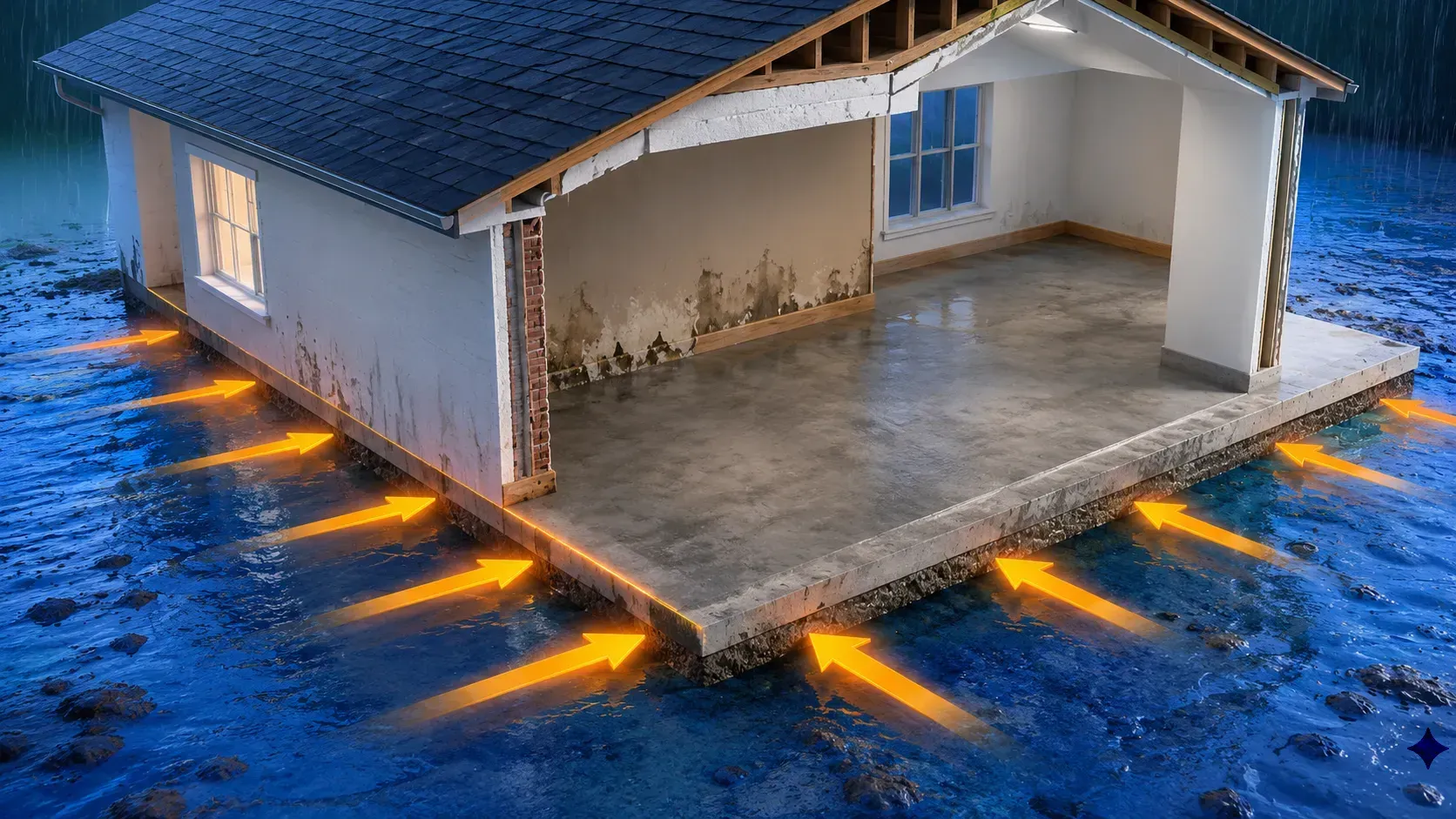
Heavy rainfall invariably leads to roof leaks, ground seepage, and rapid flash flooding. Standing water is not just a nuisance; it acts as a solvent, rapidly weakening structural integrity, dissolving drywall, and rotting structural timber.
4.1.1. Emergency Water Extraction Protocols
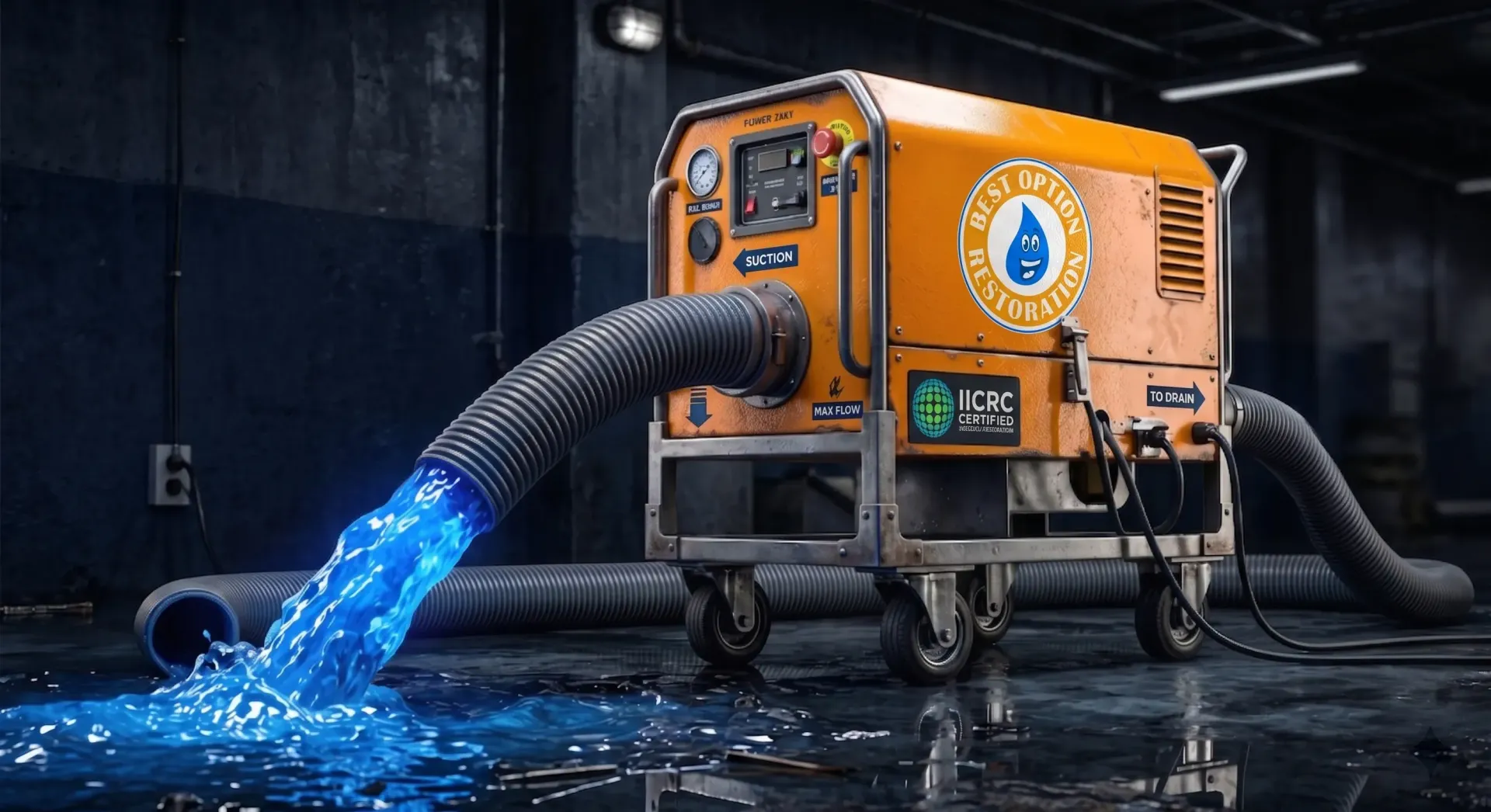
Speed is the ultimate deciding factor in property salvage. Best Option Restoration utilizes advanced, high-powered vacuums and submersible pumps to perform rapid water extraction. By removing thousands of gallons of water quickly, we halt the spread of moisture into porous building materials.
4.1.2. Flood Damage Cleanup and Sanitization
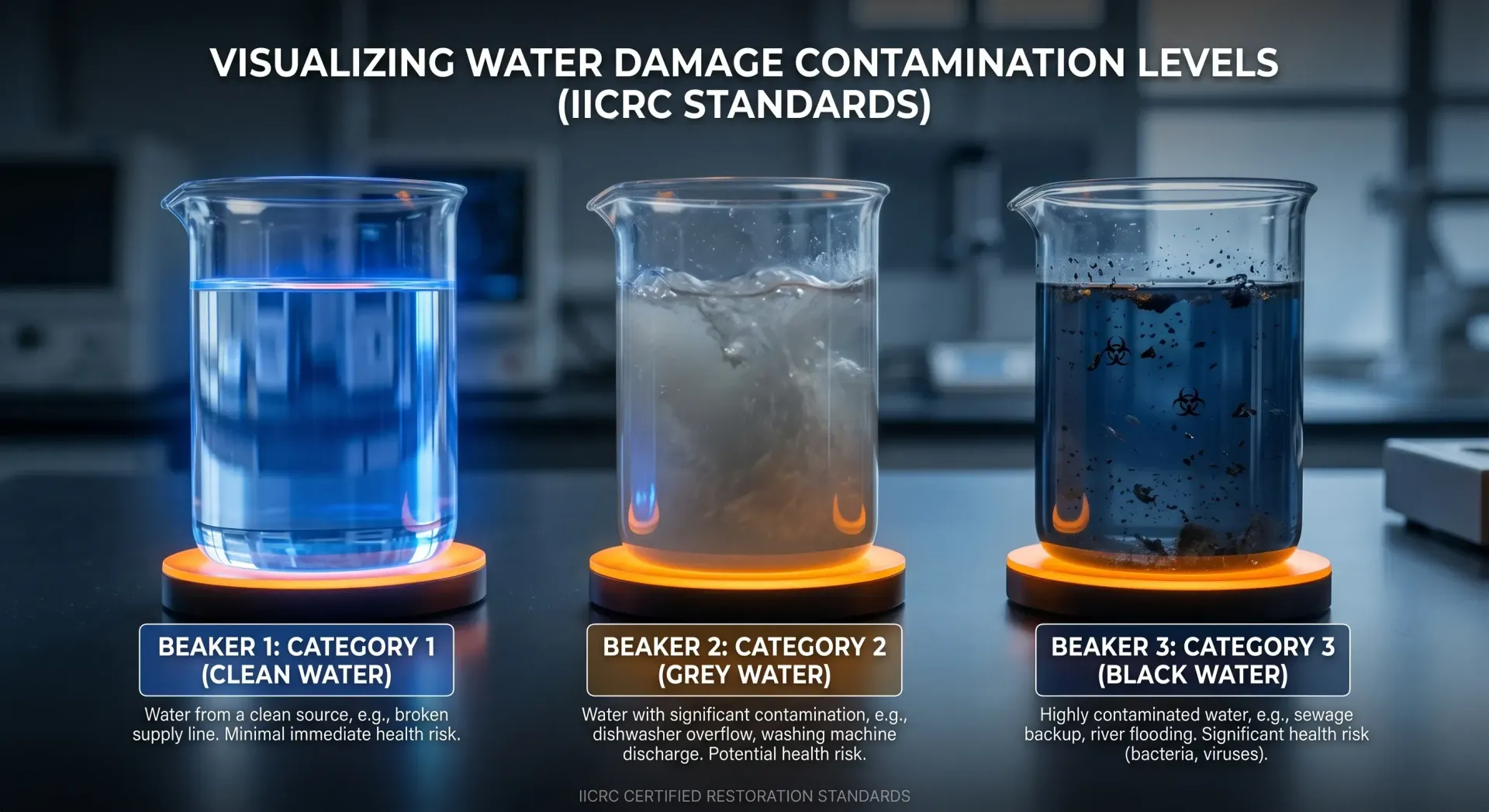
Our flood damage cleanup protocol includes extensive sanitization meeting the TDLR mold remediation standard. Floodwaters frequently carry silt, heavy metals, and agricultural runoff. We manage all three IICRC water damage categories: Category 1 (Clean Water), Category 2 (Grey Water), and Category 3 (Black Water), ensuring your property is intensely disinfected to maintain the highest health and safety standards.
4.2. The Hidden Threat of Toxic Mold Proliferation
Mold and mildew are opportunistic organisms that begin aggressive growth within a mere 24 to 48 hours of initial moisture exposure. Post-flood environments pose severe health hazards; investigations after major storms have documented extensive mold growth in flood-damaged homes, posing severe risks of invasive mold infections to immunocompromised individuals.
4.2.1. Mold Inspection and Advanced Leak Detection
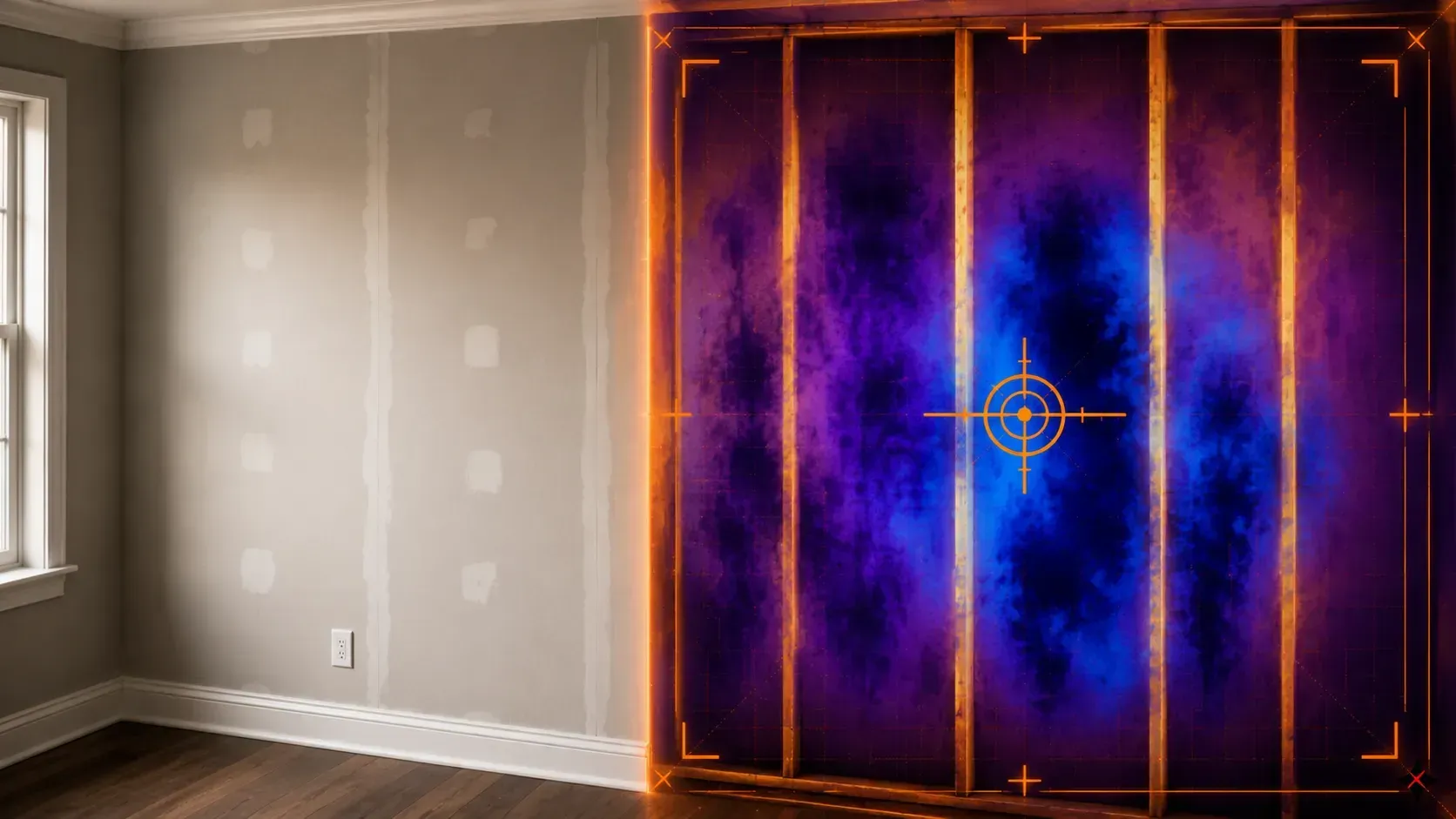
You cannot fight what you cannot see. Our mold inspection specialists utilize thermal imaging moisture inspection cameras and endoscopic inspection equipment to identify hidden water pockets trapped behind walls and under floorboards without resorting to invasive, destructive demolition.
4.2.2. Black Mold Remediation and HEPA Air Filtration
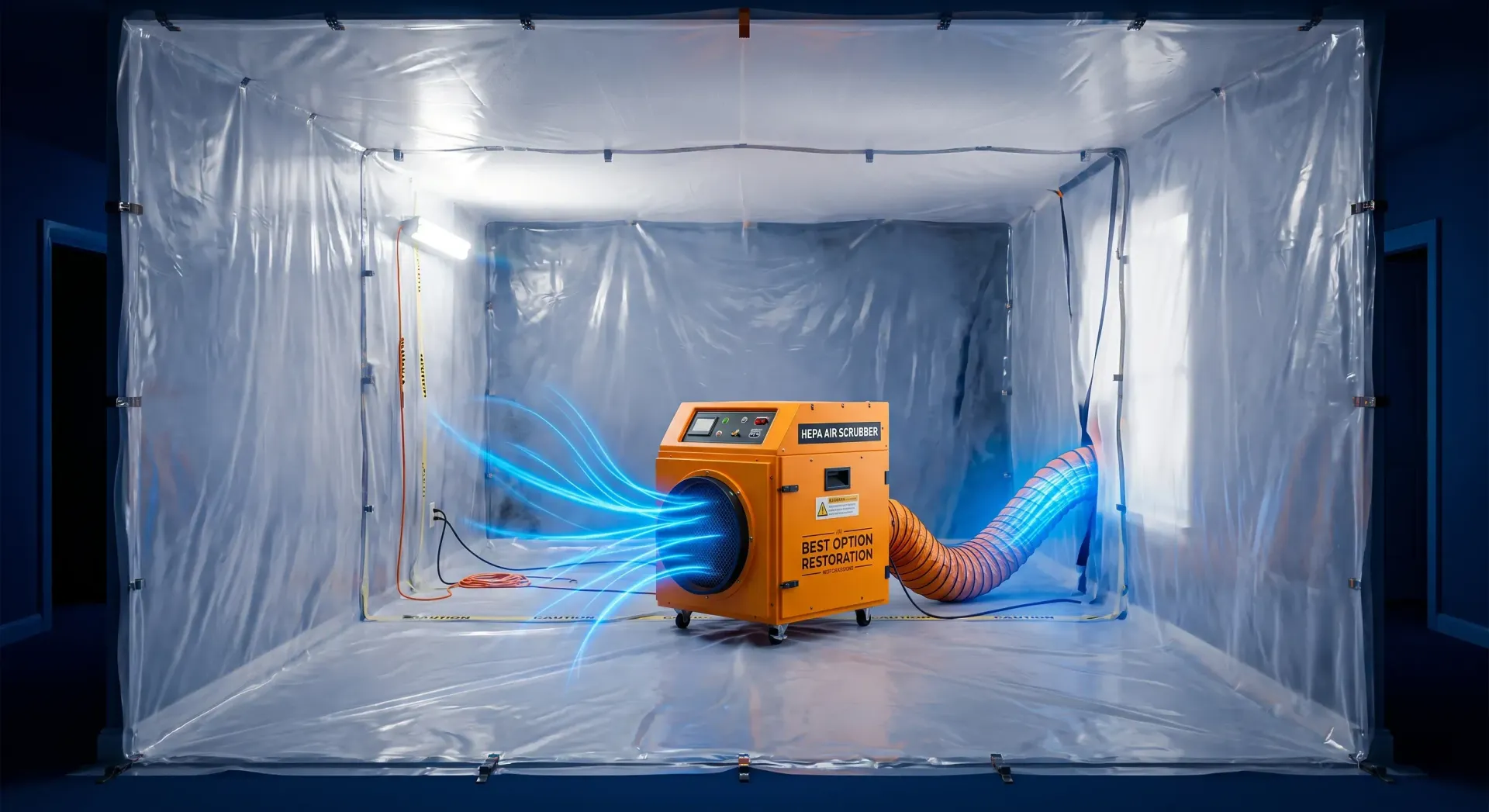
We provide comprehensive mold remediation for highly toxic strains like Stachybotrys chartarum (Black Mold), Penicillium, Aspergillus, Cladosporium, and Alternaria. Our technicians establish negative air pressure containment zones using heavy-duty plastic sheeting to ensure spores do not spread. We then deploy HEPA air filtration scrubbers to safely capture microscopic airborne particulates. Professional mold remediation ranges from $7 to $25 per square foot depending on the severity of the infestation.
4.3. Sewage System Overloads and Biohazards
During historic El Niño rainfall, municipal sewage systems frequently exceed capacity, leading to backflows into residential and commercial structures.
4.3.1. Category 3 Black Water Cleanup Safety Measures

Sewage backups represent Category 3 (Black Water) damage. This water is teeming with highly hazardous bacteria, viruses, and pathogens. This catastrophic scenario requires immediate, professional sewage cleanup utilizing industrial-strength sanitizers and strict adherence to hazardous waste disposal protocols. Due to the extreme biohazard risk, this service typically ranges from $7 to $25 per square foot.
4.4. Structural Integrity Compromise
Water intrusion causes irreversible warping to wood, swelling of laminate floors, and the crumbling of drywall if not addressed through professional, scientific drying methods.
4.4.1. Industrial Dehumidification Techniques
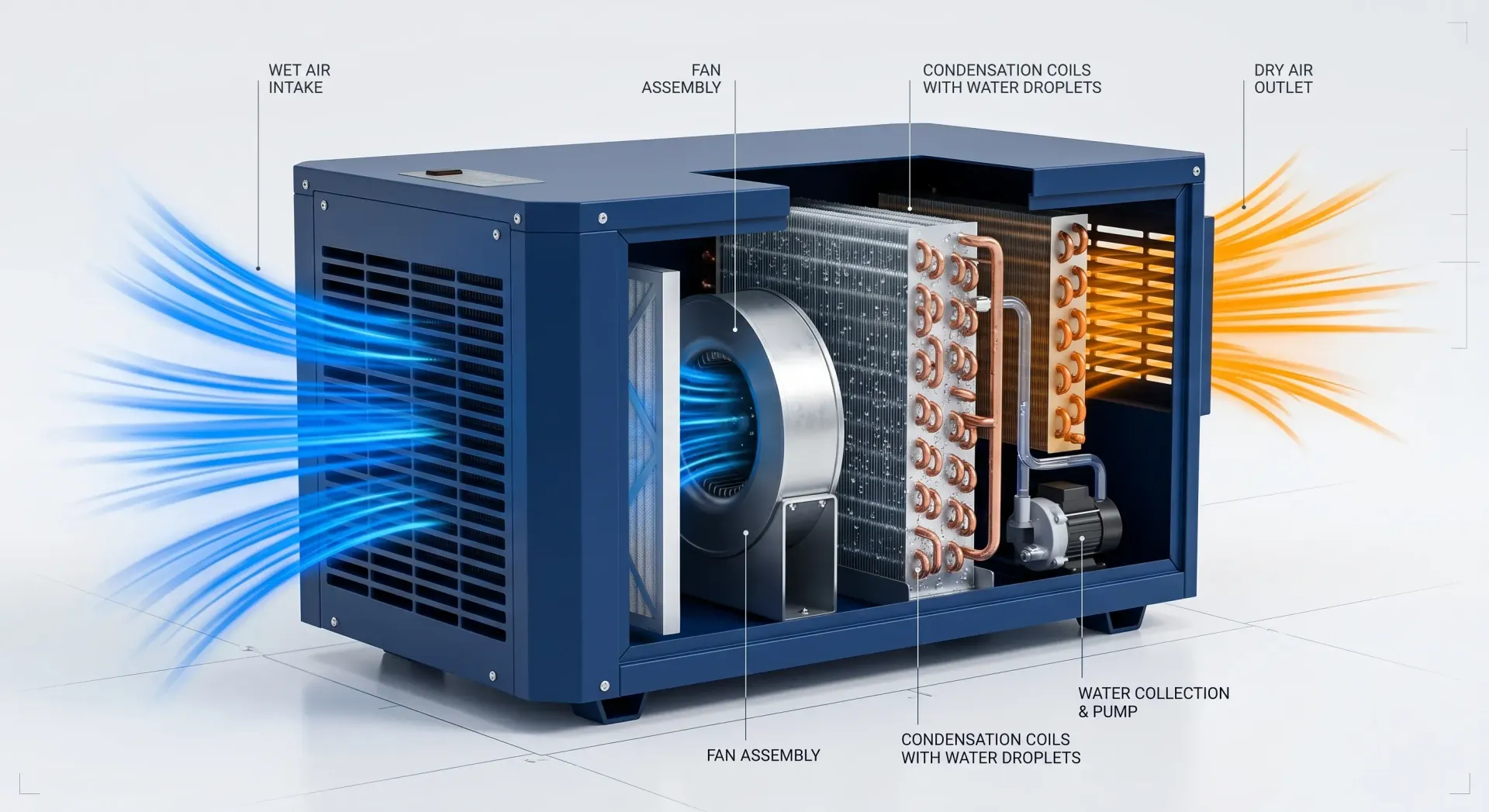
We deploy high-capacity industrial dehumidification units (LGRs and Desiccants) that draw in humid air, rapidly condensing and extracting the moisture to prevent secondary damage to your property's infrastructure.
4.4.2. Applied Structural Drying (ASD)
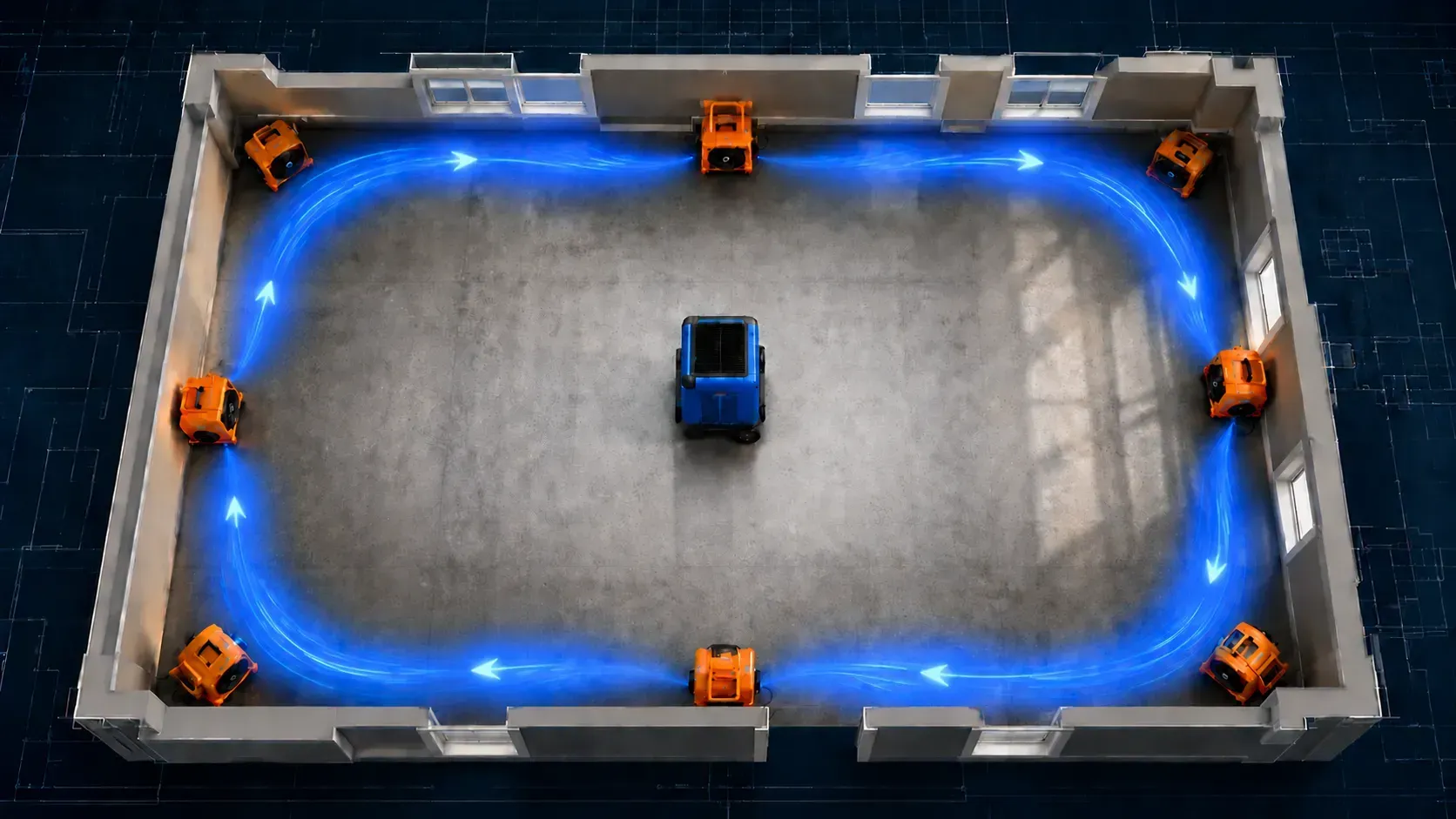
Our technicians hold highly specialized ASD (Applied Structural Drying) certifications. By strategically placing a centrally located dehumidifier and arranging high-velocity air movers to push air along the walls based on psychrometric calculations, we force rapid evaporation, ensuring the complete and permanent
structural drying of your property.
4.5. Electrical Fires and Storm-Related Fire Hazards
Severe squall lines bring devastating lightning strikes, while massive water intrusion can instantly compromise internal residential wiring, leading to sudden electrical fires.
4.5.1. Professional Fire Damage Restoration and Smoke Cleanup

Best Option Restoration is a full-service fire damage restoration contractor. We execute a rigorous 8-step smoke and odor cleanup process, utilizing specialized dry chemical sponges for soot removal, and advanced thermal fogging technologies to permanently eliminate lingering, toxic chemical smoke residues.
4.5.2. Post-Fire Rebuilding and Contents Cleaning
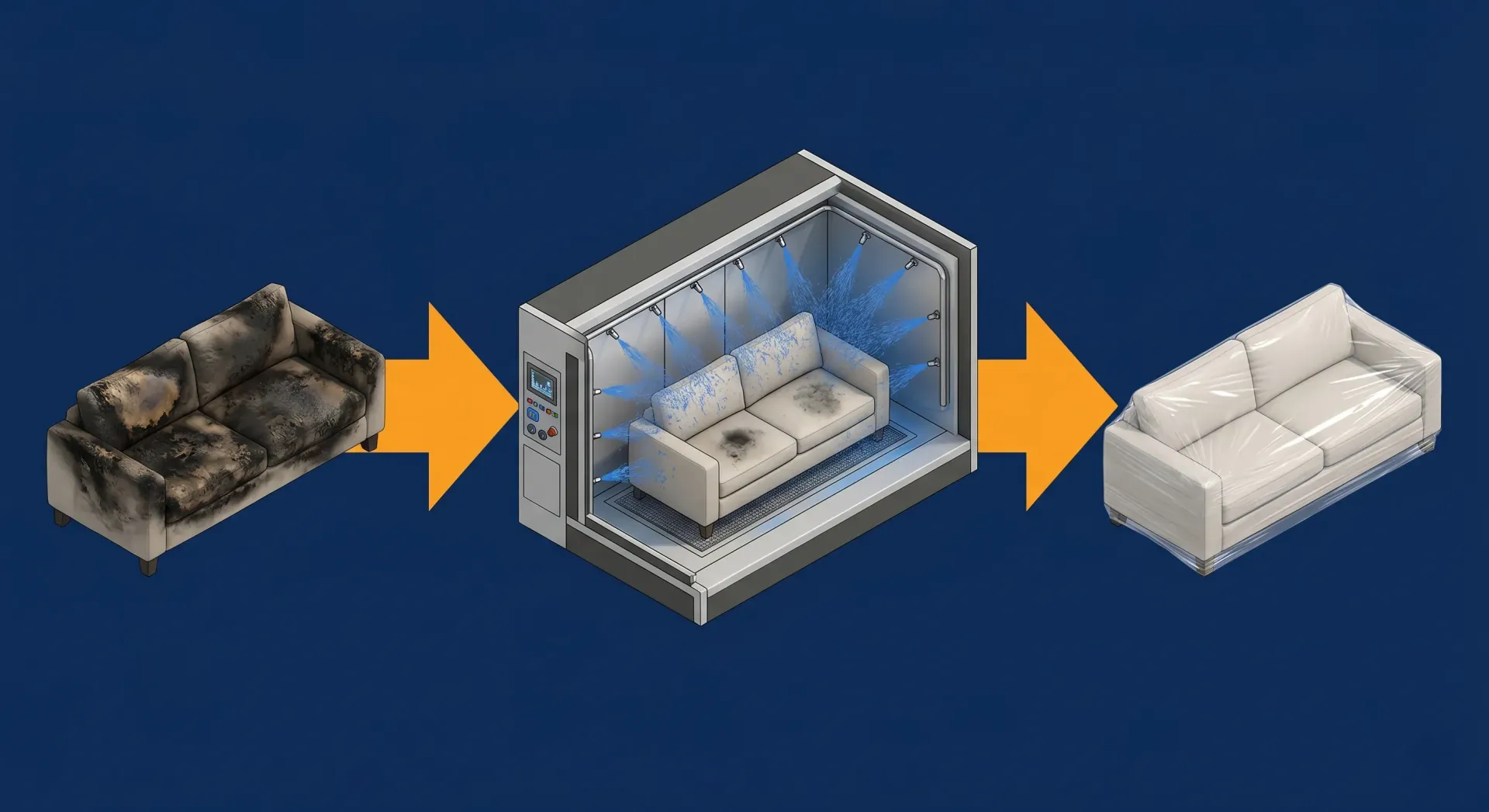
Beyond structural repairs, through our vetted partners we offer complete contents cleaning. They meticulously pack out, inventory, and restore your salvageable personal items, furniture, and heirlooms to their pre-loss condition.
5. Proactive Commercial Disaster Preparedness
For commercial facilities, hospitals, and high-rise apartments, waiting until a storm hits is a catastrophic operational failure. Liability mitigation and rapid response plans are absolutely critical to ensuring unbroken business operations during severe weather seasons.
6. Navigating Insurance Claims During Severe Weather
The aftermath of a storm is traumatizing; fighting with an insurance adjuster shouldn't add to your burden. We act as your advocate throughout the entire financial recovery process.
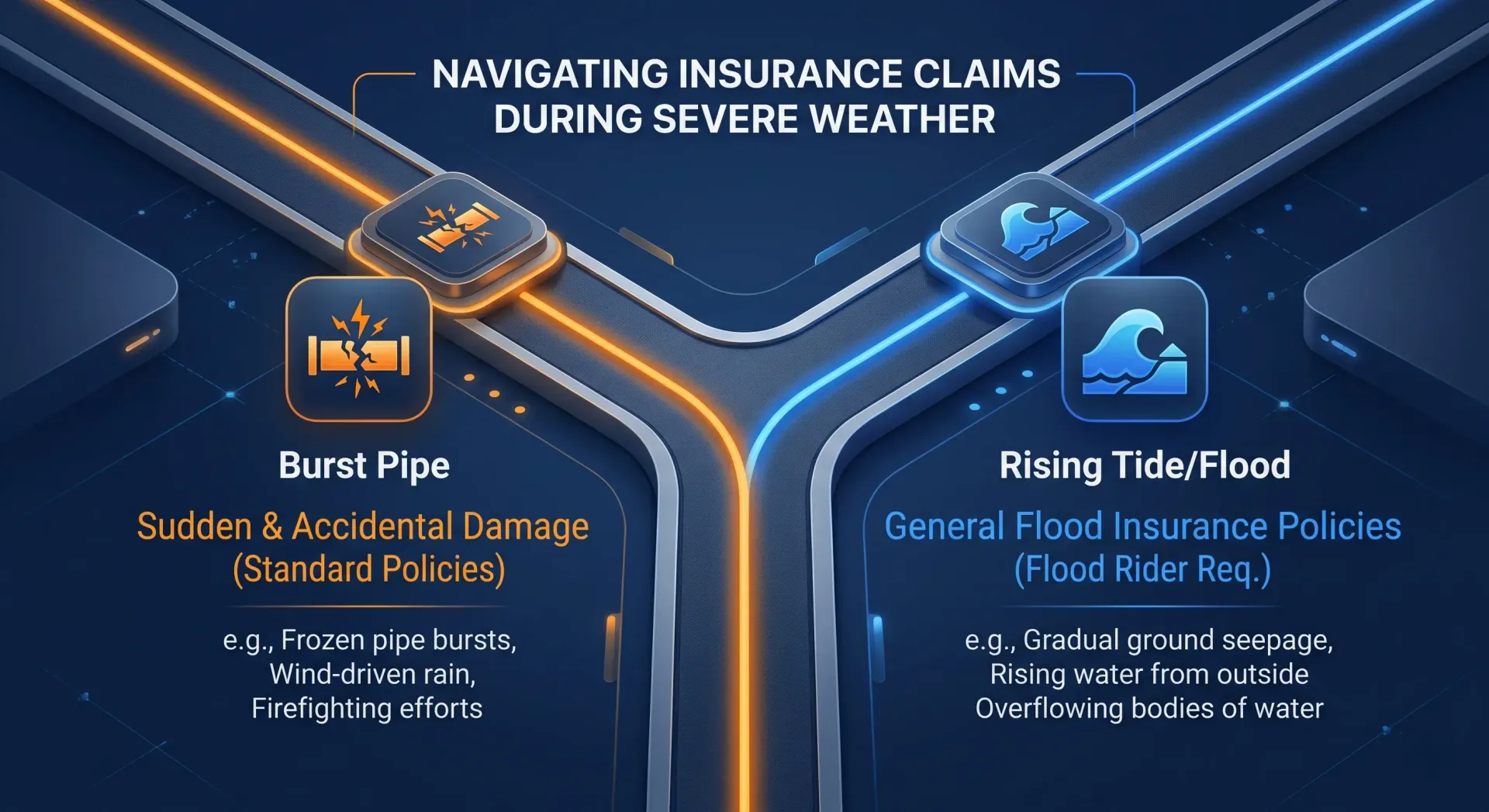
6.1. Sudden and Accidental Damage vs. General Flooding
Understanding the nuances of your policy is vital. Standard homeowner's insurance typically covers "sudden and accidental" damage, such as a frozen pipe bursting in the wall, wind-driven rain penetrating storm-damaged shingles, or water damage resulting from firefighting efforts. However, standard policies almost universally exclude gradual ground seepage, poor maintenance, and general flood events (rising water from outside the home) unless you possess a specific, separate flood insurance rider.
6.2. Free Estimates and Direct Insurance Billing Advantages
Best Option Restoration provides 100% free, no-obligation estimates. To alleviate stress, we offer restoration insurance direct billing. We meticulously document all moisture logs, daily psychrometric readings, and thermal imaging data to provide complete transparency for your records and your insurance provider. We work with major providers like Allstate and Geico.
7. Your 24/7 Emergency Service Areas and Response
Best Option Restoration, co-owned by Jessica Carline and Darren Wallace, brings over 40 combined years of engineering and operations management experience to the field. Our elite teams of IICRC and TDLR-certified technicians are on standby 24 hours a day, 365 days a year.
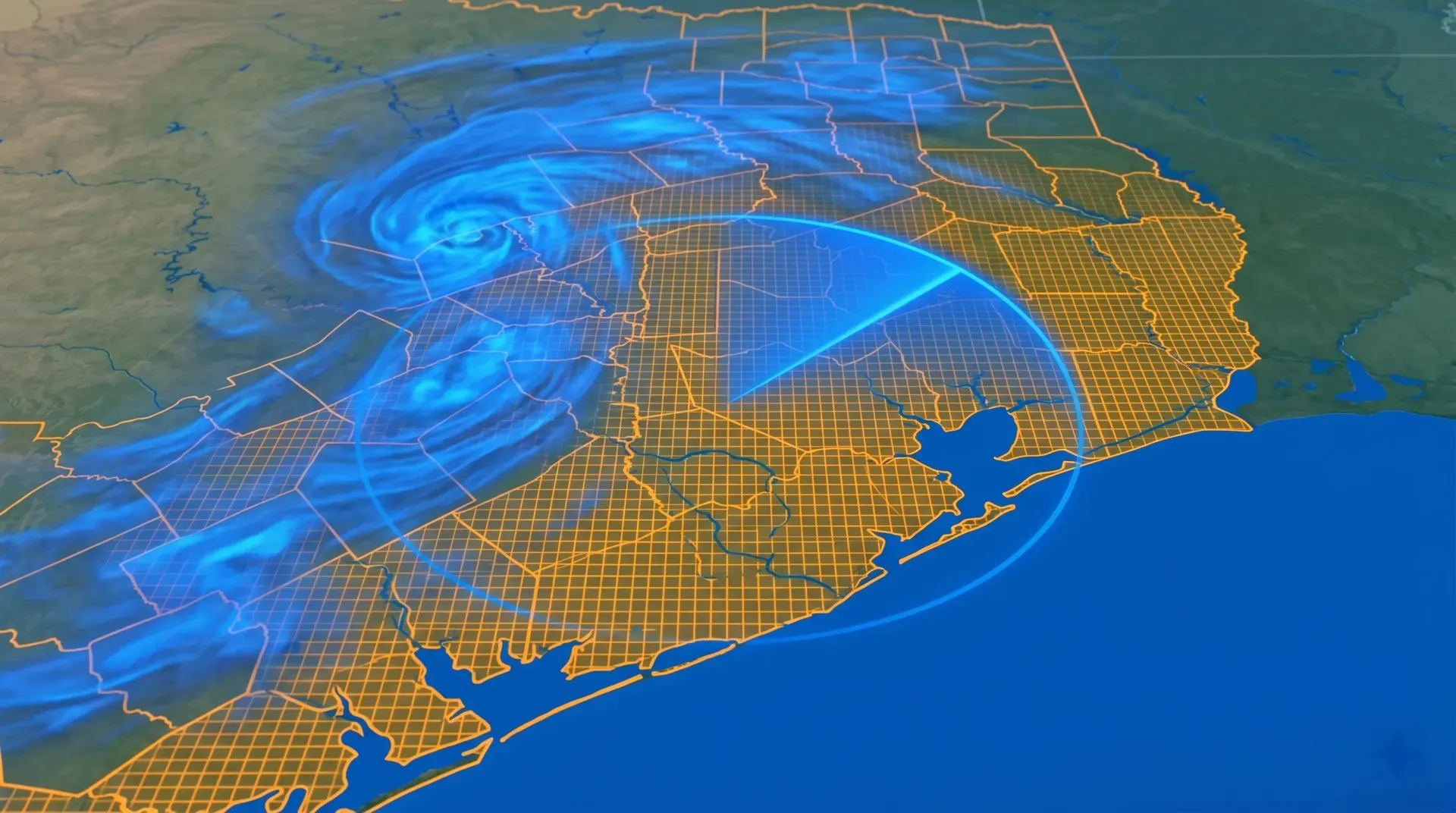
7.1. North Houston and Texas Gulf Coast Regions
We serve a massive footprint across Montgomery County, Harris County, and San Jacinto County.
7.1.1. Rapid Response to The Woodlands, Conroe, and Willis
We provide an emergency response for
The Woodlands,
Conroe, and
Willis to capture active threats and mitigate immediate secondary water damage.
7.1.2. Montgomery, Magnolia, Tomball, Kingwood, Humble, Porter, and Spring Services
Our rapid deployment fleet extends comprehensive coverage across the region, fully servicing Montgomery, Magnolia, Tomball, Kingwood, Humble, Porter, and Spring.