
Have you noticed a musty smell in your home even though you can't see any mold? Maybe you've recently had a plumbing leak or water damage, but everything looks dry now. Hidden mold can grow behind walls, under flooring, or above ceilings without obvious signs, making it difficult for homeowners to detect on their own.
Ignoring hidden mold can allow it to spread, causing damage to building materials and affecting indoor air quality. That's why hidden mold detection is an important part of protecting your home before a small moisture problem turns into a costly repair.
In this guide, you'll learn how professionals find hidden mold, the tools they use, and why mold inspection services are often the safest way to identify mold before it becomes a larger issue.
Why Hidden Mold Is Difficult to Find
Unlike visible mold growing on walls or ceilings, hidden mold develops in places that are not easy to inspect. It often grows behind drywall, inside insulation, beneath flooring, in crawl spaces, or around plumbing lines where moisture remains trapped.
Many homeowners don't realize mold is present because there are no obvious black spots or stains. Instead, they may notice musty odors, peeling paint, warped walls, or recurring moisture problems without knowing mold is growing underneath.
Because hidden mold isn't always visible, professional inspections focus on locating moisture first. Finding the source of water is often the key to successful hidden mold detection.
Common Signs of Hidden Mold
Hidden mold usually gives warning signs before it becomes visible. Paying attention to these signs can help homeowners schedule an inspection before the damage becomes more extensive.
Some of the most common signs include:
- A persistent musty odor that doesn't go away.
- Recent water damage from leaks or flooding.
- Peeling paint or bubbling wallpaper.
- Soft or discolored drywall.
- Allergy symptoms that seem worse indoors.
- Condensation or excessive humidity in certain rooms.
If you notice one or more of these signs, professional mold inspection services can determine whether hidden mold is present.
Step 1: A Detailed Property Inspection
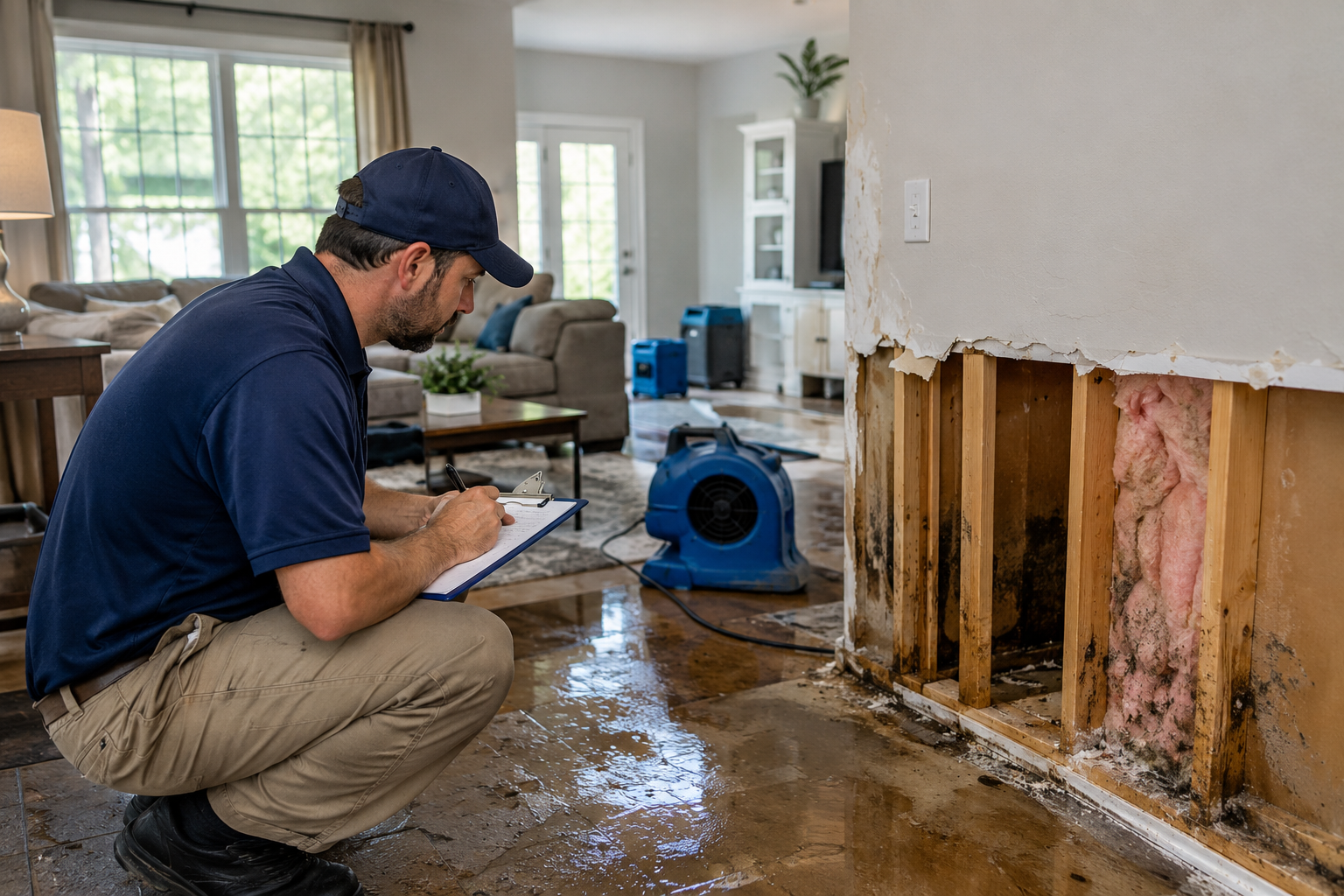
Every inspection begins with a thorough visual assessment of the property. Professionals ask questions about previous water damage, plumbing leaks, roof leaks, flooding, or recurring moisture issues before examining the affected areas.
During the inspection, technicians carefully check walls, ceilings, flooring, windows, and areas where moisture commonly collects. They also look for staining, discoloration, warped materials, or signs of water intrusion that could indicate hidden mold.
This initial inspection helps narrow down the areas requiring more advanced testing while creating a plan for the rest of the evaluation.
Step 2: Using Moisture Meters
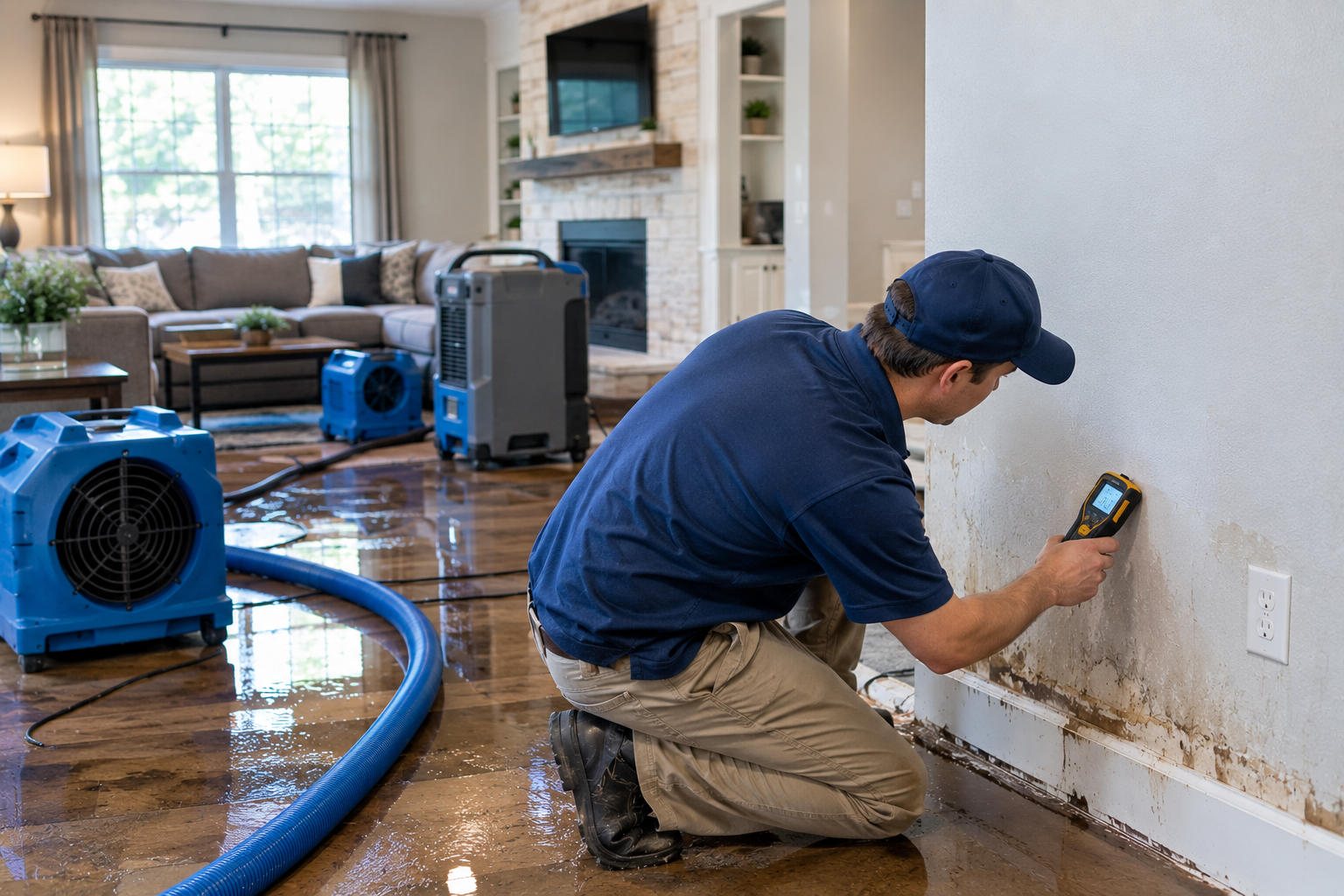
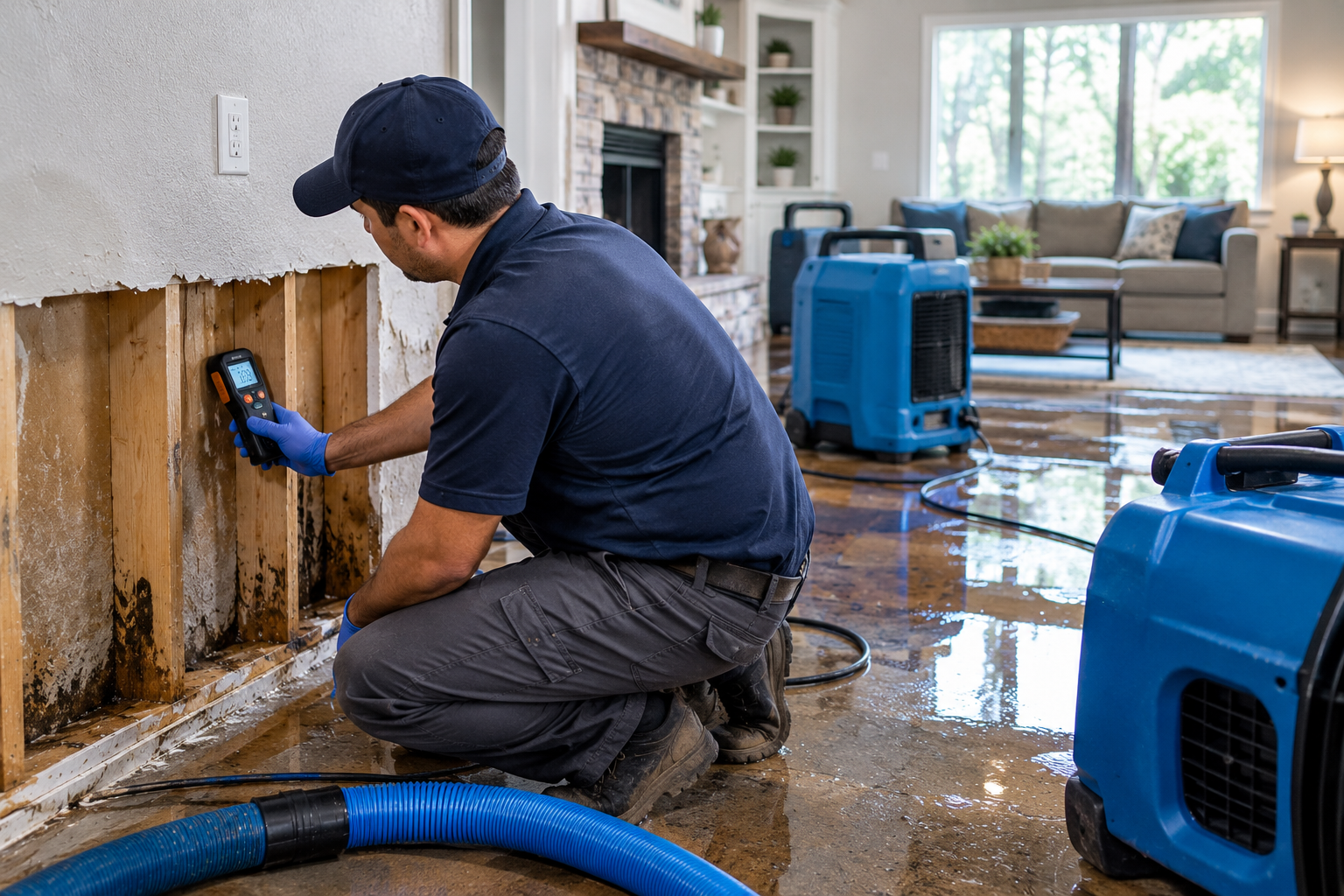
Moisture meters are one of the most important tools used during hidden mold detection. These devices measure the amount of moisture inside building materials without causing unnecessary damage.
By checking drywall, wood, flooring, and ceilings, professionals can identify areas that remain damp even when they appear completely dry on the surface. Elevated moisture readings often indicate conditions where mold may be developing.
Finding hidden moisture early allows technicians to investigate further before mold spreads throughout the property.
Step 3: Thermal Imaging Cameras
Thermal imaging cameras help professionals detect temperature differences inside walls, ceilings, and floors. Moisture usually affects surface temperatures, making damp areas easier to identify using infrared technology.
These cameras don't actually "see" mold. Instead, they highlight cooler areas where moisture may be trapped. Once these areas are identified, technicians can perform additional testing to determine whether mold is present.
Thermal imaging is a non-invasive method that helps locate hidden moisture while reducing unnecessary damage to walls or other building materials.
Step 4: Inspecting Crawl Spaces and Attics
Many hidden mold problems begin in areas homeowners rarely inspect. Crawl spaces and attics often experience poor ventilation, roof leaks, plumbing leaks, or high humidity, creating ideal conditions for mold growth.
Professionals carefully examine these spaces for moisture damage, water stains, wood discoloration, and visible mold growth. They also inspect insulation, roof decking, ventilation systems, and structural framing.
Checking these less accessible areas is an important part of mold inspection services because hidden mold can spread unnoticed for months before becoming visible inside the home.
Step 5: Air Quality and Mold Sampling
When mold is suspected but cannot be seen, professionals may recommend air sampling or surface testing. These tests help identify elevated mold spore levels inside the property and provide additional information about the indoor environment.
Air samples collected from different areas are compared to determine whether indoor mold levels are higher than expected. Surface samples may also be taken from suspicious areas to confirm mold growth.
While testing is not necessary for every inspection, it can provide valuable information when hidden mold is difficult to locate.
Step 6: Confirming the Source of Moisture
Finding mold is only part of the process. Professionals also identify why mold developed in the first place by locating the moisture source responsible for the problem.
Common causes include leaking pipes, roof damage, poor drainage, HVAC condensation, appliance leaks, flooding, or excess indoor humidity. Correcting these issues is essential because mold will often return if moisture remains.
This final step ensures homeowners understand both the cause of the mold and the repairs needed to help prevent future growth.
Why Professional Mold Inspection Services Matter
Although homeowners may notice warning signs, hidden mold often requires specialized equipment to locate accurately. Professional mold inspection services use advanced technology that helps detect moisture and mold without unnecessary demolition.
Experienced inspectors know where mold commonly develops and understand how moisture moves through different building materials. Their detailed inspections reduce guesswork and provide clear recommendations for remediation if mold is found.
Early detection often helps minimize property damage, improve indoor air quality, and reduce future repair costs.
When Should You Schedule a Mold Inspection?
If your property has experienced recent water damage, recurring leaks, musty odors, or unexplained moisture problems, scheduling an inspection is a smart decision. You should also consider an inspection before buying a home or after major storms that may have caused hidden water intrusion.
Finding mold early makes remediation easier and helps prevent larger structural problems later. Waiting until mold becomes visible often means it has already spread behind walls or into other hidden areas.
Conclusion
Successful hidden mold detection requires more than simply looking for visible mold. Professionals use moisture meters, thermal imaging cameras, detailed inspections, and specialized testing to locate mold hidden behind walls and inside building materials.
Choosing professional mold inspection services helps identify problems early, allowing homeowners to address moisture issues before mold causes more extensive damage. Early inspections not only protect your property but also provide peace of mind that hidden mold isn't silently spreading throughout your home.
If you suspect hidden mold in your home or business, contact our team through our Contact page to schedule a professional inspection and receive expert guidance on the next steps.
Frequently Asked Questions
1. How do professionals perform hidden mold detection?
Professionals perform hidden mold detection using moisture meters, thermal imaging cameras, visual inspections, and, when needed, air or surface sampling. These methods help locate mold behind walls, under flooring, and inside ceilings without unnecessary damage to your property.
2. What are the signs of hidden mold behind walls?
Common signs include a persistent musty odor, peeling paint, bubbling wallpaper, recent water damage, damp drywall, and allergy symptoms that worsen indoors. If you notice these warning signs, mold inspection services can help determine whether hidden mold is present.
3. Are mold inspection services worth it if I can't see mold?
Yes. Mold inspection services can detect hidden moisture and mold growth before it becomes visible. Early inspections help identify the source of the problem, reduce property damage, and make remediation easier and more cost-effective.
4. Can thermal imaging cameras detect hidden mold?
Thermal imaging cameras do not detect mold directly. Instead, they identify temperature differences caused by trapped moisture behind walls or ceilings. Professionals combine thermal imaging with other hidden mold detection methods to confirm whether mold is present.
5. When should I schedule a professional mold inspection?
You should schedule mold inspection services if you've experienced water damage, plumbing leaks, roof leaks, persistent musty odors, or recurring moisture issues. Early hidden mold detection helps prevent mold from spreading and protects your home's indoor environment.
Best Option Restoration