Have you found mold in your home and thought about cleaning it yourself? It's a common reaction. Many homeowners grab bleach, scrub the visible mold, and believe the problem is solved. Unfortunately, mold is often much more than what you can see on the surface.
Making the wrong decisions during mold cleanup can allow mold to spread, return, or even cause more damage to your property. In many cases, these mistakes lead to higher repair costs and longer restoration times. Understanding the most common mold removal mistakes can help you avoid unnecessary risks and know when it's time to seek professional help.
In this guide, we'll discuss the mistakes homeowners often make during mold removal, explain why they happen, and show how professional mold removal and experienced mold removal contractors can provide a safer and more effective solution.
Why Proper Mold Removal Matters
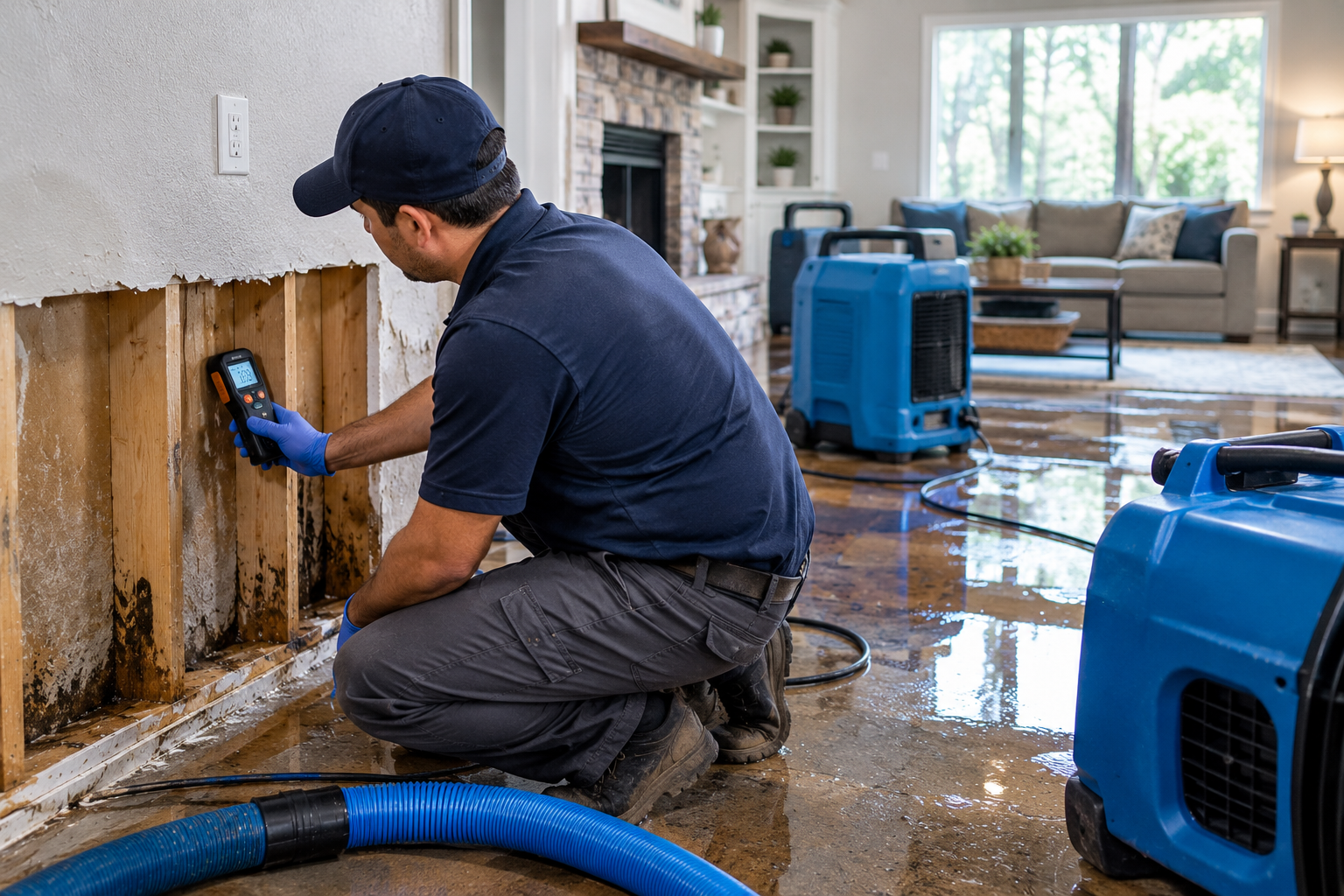
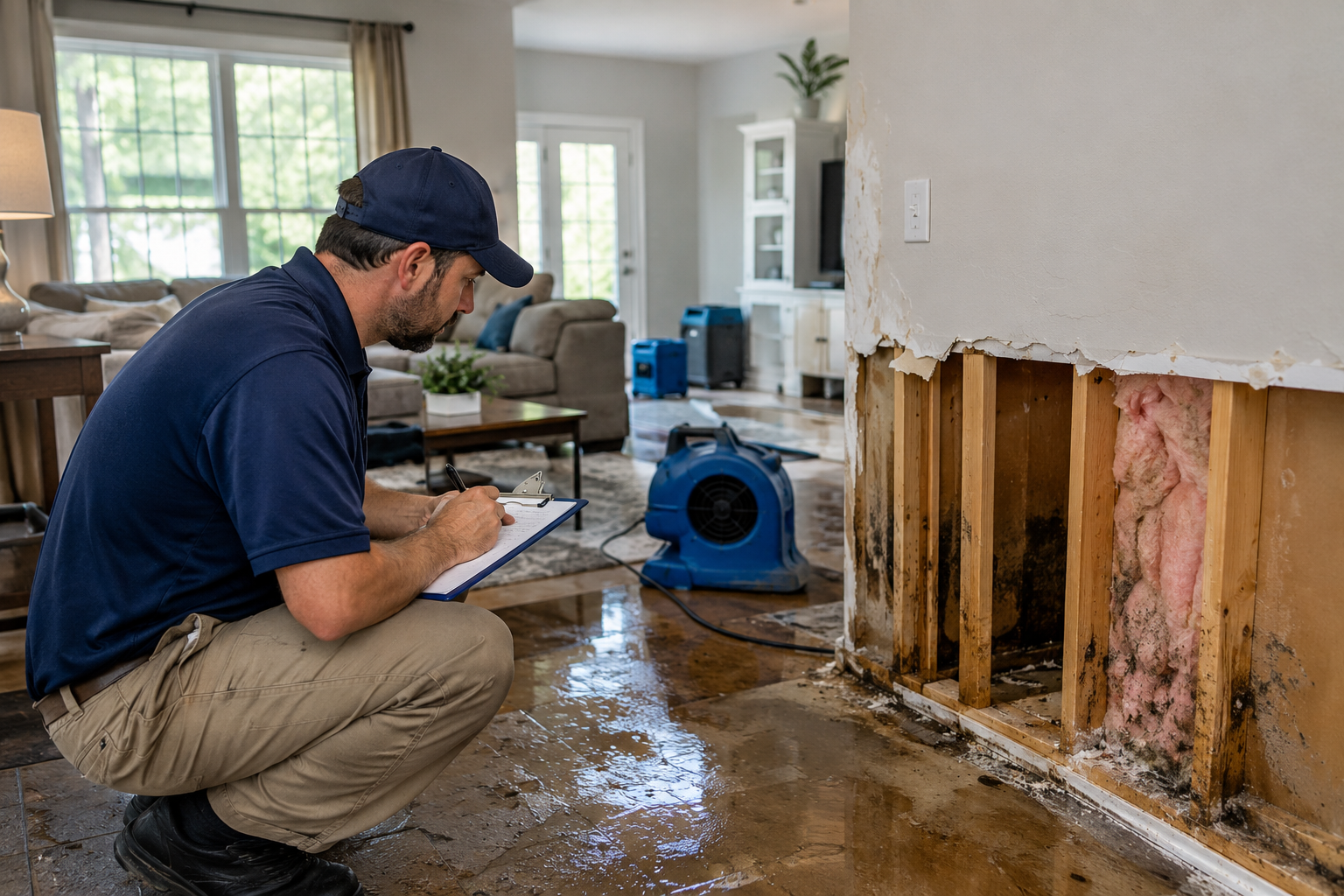
Mold thrives in damp environments and can spread quickly if moisture is not addressed. While small surface spots may appear easy to clean, hidden mold often grows behind walls, beneath flooring, or inside insulation where it cannot be seen.
Removing only the visible mold doesn't solve the real problem. If moisture remains, mold can continue growing and spread to other parts of the property. That's why proper mold removal focuses on both eliminating mold and correcting the conditions that caused it.
Understanding the correct process helps homeowners avoid costly repairs and keeps indoor spaces healthier over the long term.
Mistake 1: Ignoring the Source of Moisture
One of the biggest mold removal mistakes is cleaning mold without finding the source of moisture. Mold needs water to grow, so removing it without fixing the leak or humidity problem usually means it will return.
Common moisture sources include leaking pipes, roof damage, poor ventilation, flooding, and appliance leaks. Even small leaks behind walls can create the perfect environment for mold growth.
Before attempting any cleanup, homeowners should identify and repair the moisture problem. Solving the root cause is essential for long-term mold prevention.
Mistake 2: Using Bleach as the Only Solution
Many people believe bleach is the best way to remove mold from every surface. While bleach may remove stains from non-porous materials, it often cannot reach mold growing inside porous materials such as drywall, wood, or insulation.
In some situations, using bleach may even leave moisture behind, creating conditions where mold can continue growing beneath the surface. This is why bleach alone is rarely considered a complete solution.
Instead of relying solely on household cleaners, larger mold problems should be evaluated by professionals who can determine the safest and most effective treatment.
Mistake 3: Not Wearing Proper Protective Equipment
Cleaning mold without proper protection is another common mistake. During cleanup, mold spores can become airborne and spread throughout the home, increasing exposure for anyone nearby.
Basic household cleaning supplies may not provide enough protection when dealing with larger mold problems. Gloves, eye protection, and appropriate respiratory protection are important when handling contaminated materials.
Professionals use specialized protective equipment and follow safety procedures that help reduce exposure while preventing mold spores from spreading to unaffected areas.
Mistake 4: Disturbing Mold Without Containment
Many homeowners begin scrubbing or removing mold without isolating the affected area. This can release thousands of microscopic mold spores into the air, allowing contamination to spread throughout the property.
Containment is an important part of professional mold removal because it helps keep spores inside the work area. Plastic barriers, negative air pressure systems, and HEPA air filtration are commonly used during larger remediation projects.
Without proper containment, a small mold problem can quickly affect other rooms in the home.
Mistake 5: Throwing Away the Wrong Materials
Not every material affected by mold needs to be removed, but not every material can be saved either. Many homeowners either remove too much or fail to remove materials that have been permanently damaged.
Drywall, insulation, carpeting, and ceiling tiles that have absorbed significant mold contamination often require replacement. On the other hand, some hard, non-porous surfaces can be cleaned successfully using professional methods.
Knowing the difference requires experience and careful inspection, which is why many homeowners rely on mold removal contractors for accurate recommendations.
Mistake 6: Skipping Proper Drying
Even after mold has been cleaned, moisture may still remain inside walls, flooring, or structural materials. If these areas are not dried completely, mold can begin growing again within a short period.
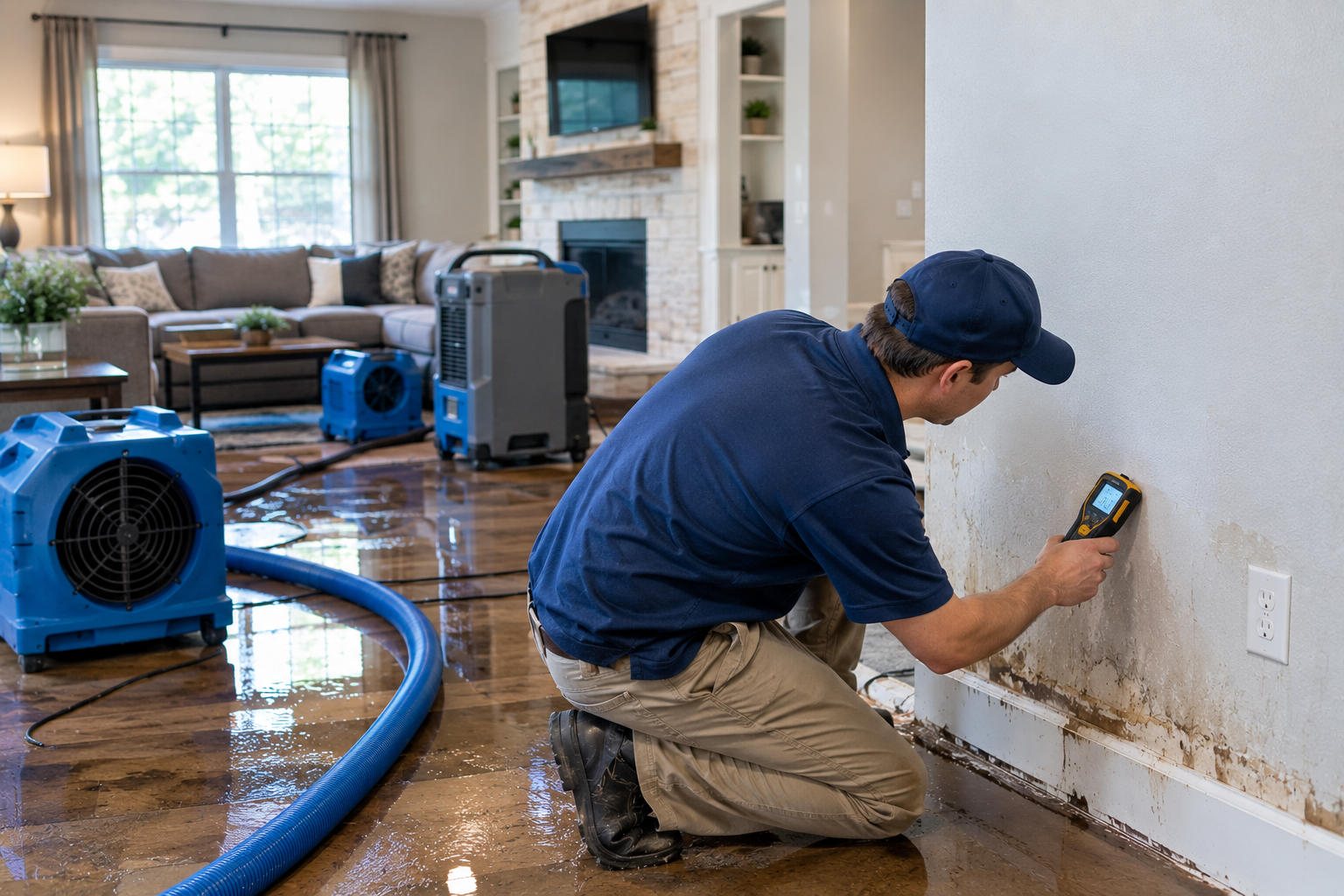
Professional drying equipment removes hidden moisture more effectively than household fans alone. Moisture meters are also used to confirm that affected materials have reached safe moisture levels before repairs begin.
Drying is one of the most important steps in preventing mold from returning after cleanup.
Mistake 7: Waiting Too Long to Take Action
Some homeowners delay mold removal because the affected area appears small or doesn't seem urgent. Unfortunately, mold rarely stays in one place for long if moisture remains available.
What begins as a small patch can spread behind walls, beneath flooring, or into nearby rooms over time. Waiting too long often results in larger remediation projects and more expensive repairs. Addressing mold early helps limit damage and makes the cleanup process more manageable.
When Should You Call Mold Removal Contractors?
While some minor surface mold can be cleaned safely, larger or recurring mold problems often require professional attention. If mold keeps returning, spreads to multiple areas, or develops after flooding or water damage, it's time to seek expert help.
Experienced mold removal contractors have the equipment needed to locate hidden moisture, contain mold safely, and remove contaminated materials without spreading spores. They also identify the cause of mold growth and recommend solutions that help prevent future problems. Hiring professionals provides peace of mind that the issue has been handled thoroughly and safely.
Why Professional Mold Removal Is Worth It
Choosing professional mold removal helps eliminate the guesswork from mold cleanup. Professionals follow proven procedures, use specialized equipment, and understand how different building materials should be treated.
They also reduce the risk of cross-contamination by using containment systems and HEPA filtration throughout the removal process. Their experience allows them to identify hidden mold that homeowners may overlook.
Rather than treating only the visible signs of mold, professionals focus on solving the underlying problem, helping protect your property for the future.
Conclusion
Many homeowners make simple but costly mold removal mistakes that allow mold to return or spread throughout the property. Ignoring moisture problems, relying only on bleach, skipping containment, or delaying cleanup can all make remediation more difficult.
Knowing these common mistakes helps you make better decisions when mold appears. When the problem is larger than a small surface area or keeps returning, working with experienced professional mold removal experts and trusted mold removal contractors is often the safest and most effective solution.
If you've discovered mold in your home or business, contact our team through our Contact page to schedule a professional inspection and learn how we can help remove mold safely and restore your property.
Frequently Asked Questions
1. What are the most common mold removal mistakes homeowners make?
Common mold removal mistakes include ignoring the source of moisture, using bleach as the only solution, skipping proper drying, removing mold without containment, and waiting too long to address the problem. These mistakes can allow mold to return or spread to other areas.
2. When should I hire mold removal contractors instead of removing mold myself?
You should contact mold removal contractors if mold covers a large area, keeps returning after cleaning, develops after water damage, or is suspected behind walls or under flooring. Professionals have the equipment and expertise to remove mold safely and prevent further contamination.
3. Why is professional mold removal better than DIY cleaning?
Professional mold removal addresses both the visible mold and the underlying moisture problem. Professionals use containment systems, HEPA filtration, and specialized equipment to remove mold safely while reducing the risk of it returning.
4. Can mold come back after it has been removed?
Yes. Mold can return if the moisture source is not repaired or if affected materials are not dried completely. Proper mold removal focuses on eliminating both the mold and the conditions that allowed it to grow.
5. Is bleach enough to remove mold permanently?
No. Bleach may clean mold from some hard, non-porous surfaces, but it usually doesn't remove mold growing inside porous materials. Larger or recurring mold problems often require professional mold removal for a complete and long-lasting solution.
Best Option Restoration