Have you ever discovered mold in your home and immediately wondered, "Will my insurance pay for this?"
You're not alone. Many Texas homeowners are surprised to learn that mold coverage is not always straightforward. Some claims are covered, while others are denied. The difference often depends on how the mold started, how long it was present, and what your insurance policy includes.
This can be frustrating because mold problems often appear after water damage, plumbing leaks, roof issues, or storm events. By the time homeowners notice visible mold, they may already be facing expensive repairs and remediation costs.
Understanding how insurance companies view mold damage can help you avoid surprises and make better decisions when dealing with a mold problem. Whether you're a homeowner, property manager, or real estate investor, knowing what may or may not be covered is an important part of protecting your property.
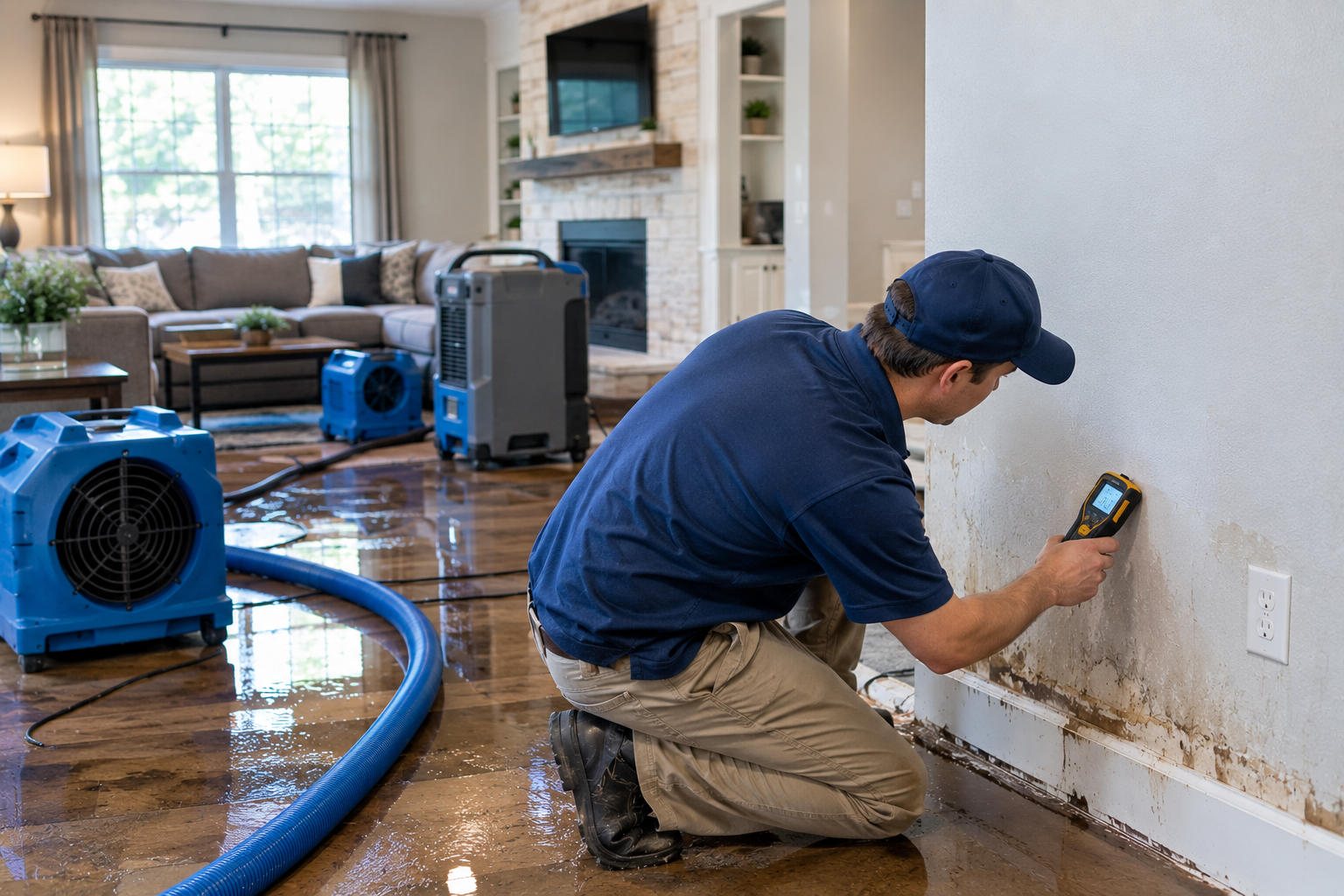
Before filing a claim, many homeowners choose to have the property evaluated by professionals offering mold remediation services in Spring to determine the extent of the damage, identify the moisture source, and estimate potential remediation costs.
Why Mold Claims Can Be Confusing
One reason mold insurance claims create confusion is that mold itself is usually not the main issue.
Insurance companies often focus on the cause of the mold rather than the mold growth itself.
For example, if a sudden pipe burst causes water damage and mold develops shortly afterward, the insurance company may view the mold as a result of a covered event.
However, if mold develops because of a slow leak that has been ignored for months, the claim may be denied because the damage is considered preventable maintenance.
This distinction is important because two homes with similar mold problems may receive completely different claim decisions based on the source of the moisture.
That is why homeowners should understand their policy details before an emergency occurs.
What Causes Mold Growth in Texas Homes?
Texas homes face unique challenges because of the state's climate.
Warm temperatures and high humidity create ideal conditions for mold growth. Once moisture enters a building, mold can begin developing within 24 to 48 hours.
Common causes include:
- Burst pipes
- Roof leaks
- Storm damage
- Flooding
- HVAC condensation issues
Even small moisture problems can lead to significant mold growth if they are not addressed quickly.
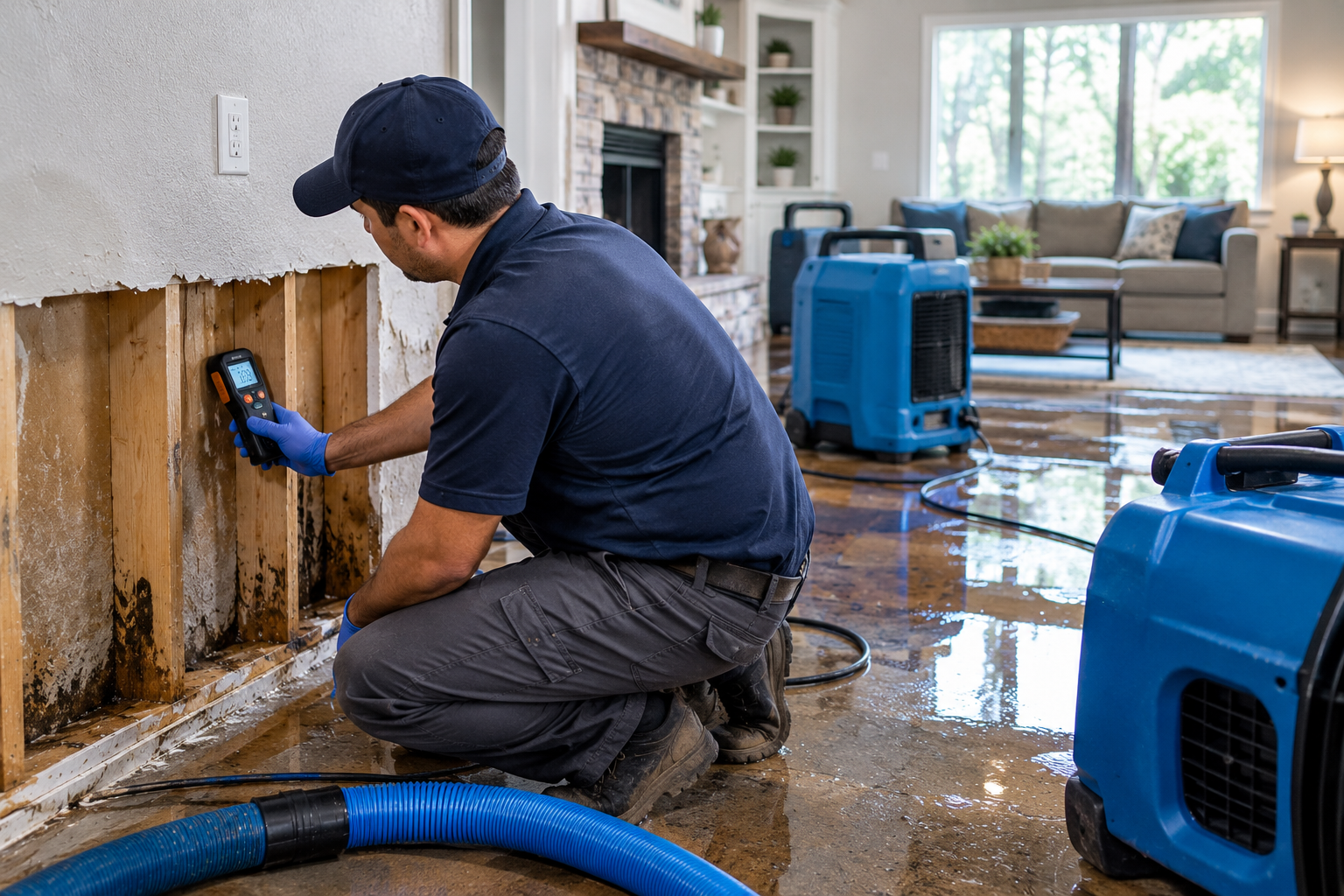
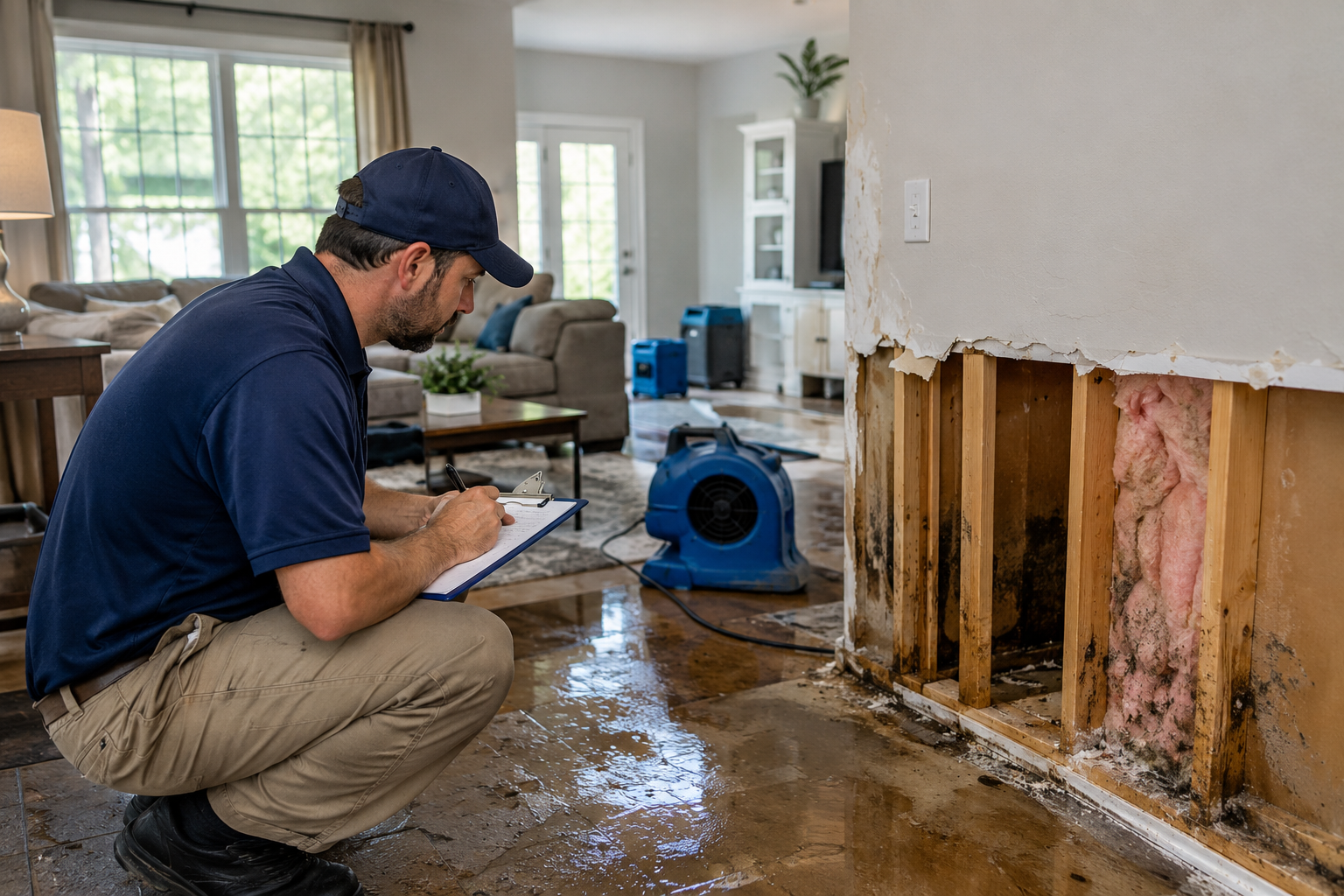
Because mold often grows behind walls, under flooring, or inside insulation, many homeowners do not discover the problem until it becomes widespread.
When Homeowners Insurance May Cover Mold Damage
Coverage usually depends on whether the water event that caused the mold is covered under the policy.
In many cases, insurance companies may provide coverage when mold results from a sudden and accidental event.
Examples may include:
A pipe unexpectedly bursts inside a wall and causes water damage.
A severe storm damages the roof, allowing rainwater to enter the home.
An appliance suddenly fails and releases water throughout the property.
When these situations occur, insurance may cover both the water damage and the resulting mold remediation, subject to policy limitations.
However, every policy is different. Coverage amounts, exclusions, and deductibles can vary significantly.
Homeowners should always review their policy language carefully and speak directly with their insurance provider for clarification.
When Mold Damage May Not Be Covered
Many denied mold claims involve long-term maintenance issues.
Insurance companies generally expect homeowners to maintain their properties and address problems before they become severe.
Claims may be denied if mold develops because of:
- Poor maintenance
- Long-term plumbing leaks
- Chronic humidity issues
- Neglected roof damage
- Repeated water intrusion
From the insurer's perspective, these situations often fall under homeowner responsibility rather than accidental loss.
This is one reason why regular inspections and prompt repairs are so important.
Why Documentation Matters
If you discover mold, documentation becomes extremely important.
The more evidence you have regarding the cause of the moisture problem, the stronger your claim may be.
Photographs, repair records, inspection reports, and contractor assessments can all help establish what happened and when.
Insurance adjusters often look for proof that the damage resulted from a covered event rather than a long-standing issue.
Professional reports can also provide valuable information about the extent of contamination and the recommended remediation process.
The Role of Professional Mold Inspections
Before making major decisions, many homeowners choose to schedule a professional inspection.
An experienced inspector can identify:
- The source of moisture
- The extent of contamination
- Affected materials
- Potential health concerns
- Recommended next steps
This information can be useful when communicating with insurance companies and planning remediation work.
In many situations, professional documentation helps reduce uncertainty and supports a smoother claims process.
Why Professional Remediation Is Important
Many people assume mold cleanup simply involves spraying a cleaning product on affected surfaces.
In reality, mold remediation is often much more complex.
The goal is not only to remove visible mold but also to address the underlying moisture issue and prevent future growth.
This is where a qualified mold remediation specialist becomes valuable. A professional understands how mold spreads, where hidden contamination may exist, and how to safely remove affected materials when necessary.
Without proper remediation, mold can return quickly, leading to additional expenses and ongoing indoor air quality concerns.
How Mold Remediation Contractors Help During Insurance Claims
Many homeowners work closely with mold remediation contractors after discovering contamination.
These professionals often assist with:
- Damage assessment
- Moisture detection
- Documentation
- Remediation planning
- Project execution
Their reports may also help explain the scope of work required and provide information that insurance companies use when evaluating claims.
Because every property is different, professional evaluations help ensure that remediation plans are based on actual conditions rather than assumptions.
What Happens During the Remediation Process?
Once remediation begins, professionals typically follow a structured process.
The first step is stopping the moisture source. Without moisture control, mold will continue growing.
Next, affected areas are isolated to reduce the spread of spores.
Contaminated materials may be removed or cleaned depending on the extent of damage.
Specialized drying equipment helps eliminate remaining moisture.
Finally, post-remediation verification helps confirm that conditions have returned to acceptable levels.
This systematic approach helps protect both the property and its occupants.
Why Fast Action Can Save Money
One of the biggest mistakes homeowners make is waiting. Because mold spreads quickly, delays often increase repair costs.
A small moisture issue today can become a major remediation project within weeks.
Early action may help:
- Reduce remediation expenses
- Limit structural damage
- Improve claim outcomes
- Protect indoor air quality
- Preserve property value
The sooner the problem is identified and addressed, the easier it is usually to manage.
Understanding Mold Coverage Limits
Even when mold damage is covered, insurance policies may place limits on how much they will pay.
Some policies include specific mold coverage caps that are lower than overall property damage limits.
This means homeowners may still be responsible for part of the remediation cost. Understanding these limitations before a loss occurs can help prevent unexpected financial surprises later.
It is always wise to review your policy carefully and ask questions about mold-related coverage.
Why Homeowners in Spring Should Be Prepared
Because Texas weather often creates moisture-related challenges, homeowners should remain proactive.
Regular inspections, prompt repairs, and moisture control can significantly reduce the likelihood of serious mold issues.
If you suspect hidden moisture or visible mold growth, seeking professional guidance early can make a substantial difference.
Many property owners searching for mold remediation services in Spring are looking for experienced professionals who can identify the problem quickly and recommend the most effective solution.
If you are unsure about the condition of your property, you can visit our contact page to connect with experienced professionals who can evaluate your situation and explain the next steps.
Many homeowners also trust Best Option Restoration of North Houston when dealing with mold concerns because they understand both the remediation process and the documentation often needed during insurance-related situations.
Conclusion
Whether homeowners insurance covers mold depends largely on what caused the mold in the first place.
Sudden and accidental water damage events may qualify for coverage, while long-term maintenance issues often do not.
Understanding your policy, documenting damage, and acting quickly are some of the best ways to protect yourself financially.
Working with qualified mold remediation contractors and an experienced mold remediation specialist can also help ensure that the issue is addressed properly from the beginning.
If you suspect mold growth in your property, seeking professional guidance early can help you understand your options and avoid larger expenses later.
FAQs (Frequently Asked Question)
1. Does homeowners insurance cover mold remediation in Texas?
It may. Coverage often depends on what caused the mold. Sudden and accidental water damage events are more likely to be covered than long-term maintenance issues.
2. What types of mold damage are usually not covered?
Mold caused by neglected leaks, poor maintenance, long-term humidity problems, or preventable issues is commonly excluded from coverage.
3. Should I hire a mold remediation specialist before filing a claim?
A professional inspection can help identify the source of moisture, document the damage, and provide useful information for the claims process.
4. How quickly should mold be addressed?
Mold can begin growing within 24 to 48 hours after moisture exposure. Early action helps reduce damage and remediation costs.
5. Why should I choose professional mold remediation services?
Professional remediation addresses both the mold and the underlying moisture issue, helping prevent future contamination and protecting indoor air quality.
Best Option Restoration