If you have recently had mold removed from your home, you may be wondering, can mold come back after remediation? Unfortunately, the answer is yes. Mold can return if the moisture problem that caused it is not fully corrected.
Professional mold remediation can remove existing mold and help restore affected areas, but remediation alone does not guarantee that mold will never grow again. Mold needs moisture, a food source, and the right conditions to grow. If those conditions return, mold can return too.
The good news is that proper moisture control, thorough cleanup, and regular inspections can greatly reduce the chance of mold coming back.
Why Can Mold Come Back After Remediation?
Mold does not usually appear without a reason. It grows when moisture remains in an area for long enough to create a suitable environment.
A previous mold problem may have been caused by a leaking pipe, roof leak, flooding, poor ventilation, high indoor humidity, or water trapped behind walls. If the original moisture source is still present, removing the visible mold may only provide a temporary solution.
For example, imagine a bathroom has mold around the ceiling because of poor ventilation. A homeowner may clean the visible mold, but if moisture continues building up every time someone takes a shower, the mold may eventually return.
The same thing can happen after water damage. If a wall looks dry on the outside but moisture remains inside, hidden mold can continue developing.
This is why successful remediation involves more than simply removing visible mold.
What Causes Mold to Return?
Several conditions can allow mold to grow again after remediation. Understanding these causes can help you protect your home after the cleanup is complete.
1. The Moisture Source Was Not Fixed
The most common reason mold comes back is ongoing moisture.
A leaking plumbing line, damaged roof, faulty appliance, or drainage problem can continue introducing water into your home. Even a small leak can create enough moisture for mold to grow.
Before or during remediation, the source of moisture should be identified and corrected whenever possible. Otherwise, new mold growth may appear in the same area or somewhere nearby.
2. Hidden Moisture Remains
Not all water damage is easy to see.
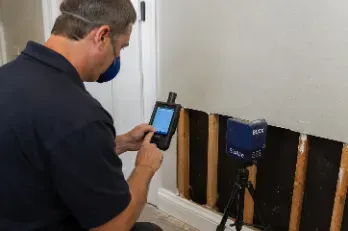
Moisture can remain behind drywall, beneath flooring, inside cabinets, around insulation, or underneath other building materials. These hidden areas can provide the moisture mold needs to grow.
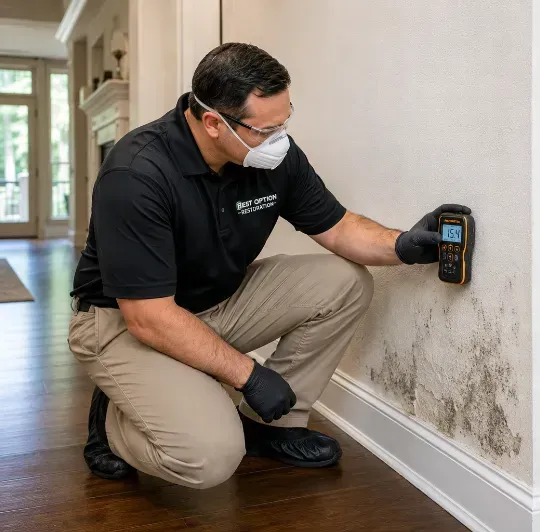
If you notice a musty smell after remediation, recurring discoloration, bubbling paint, or damp materials, there may be moisture that has not been fully addressed.
Our guide on how professionals detect hidden mold behind walls can help explain why hidden moisture and mold can be difficult to identify.
3. Indoor Humidity Is Too High
High humidity can also contribute to recurring mold problems.
Bathrooms, kitchens, attics, crawl spaces, and other areas with limited airflow may become humid. If indoor humidity remains high for long periods, condensation can develop on cool surfaces and create conditions where mold can grow.
Using exhaust fans, improving ventilation, repairing leaks, and controlling indoor humidity can help reduce the risk.
4. Mold Was Only Partially Removed
Visible mold may not represent the entire problem.
If mold has spread into porous materials or hidden areas, simply cleaning the surface may not address all affected materials. Small amounts of remaining contamination can become a concern if moisture returns.
The appropriate remediation method depends on the location and extent of the mold. In some cases, affected materials may need cleaning. In others, damaged porous materials may need to be removed and replaced.
5. The Area Was Not Properly Dried
Water damage and mold growth are closely connected.
After a leak or flood, materials need to be properly dried. Drying only the surface may not be enough if moisture has moved deeper into walls, floors, insulation, or other materials.
Professional drying equipment and moisture monitoring can help identify areas that may still contain excess moisture.
How Long Does It Take for Mold to Come Back?
There is no single timeline for mold to return after remediation.
If moisture is still present, new growth can develop relatively quickly under favorable conditions. However, the exact timeline depends on factors such as moisture levels, temperature, available organic materials, ventilation, and the extent of the original problem.
You should not assume that a home is safe from mold simply because the visible growth has disappeared.
Instead, pay attention to signs that moisture may be returning. A musty odor, new staining, damp surfaces, condensation, peeling paint, or recurring discoloration can all be reasons to investigate further.
Signs Mold May Be Coming Back
Knowing what to look for after remediation can help you catch a recurring problem early.
Some common warning signs include:
- A musty or earthy odor that returns after cleaning
- New dark, green, white, or brown spots
- Peeling or bubbling paint
- Water stains on walls or ceilings
- Damp drywall, flooring, or cabinets
- Condensation around windows or pipes
- Allergy-like symptoms that seem worse in certain areas
- Repeated moisture or plumbing problems
A musty smell deserves attention even when you cannot see mold. Mold can grow in concealed spaces, so visible surfaces do not always tell the whole story.
If mold keeps returning after cleaning, it may be a sign that the underlying moisture problem has not been resolved. Learn more about the signs you need professional mold remediation services.
Does Professional Mold Remediation Prevent Mold From Coming Back?
Professional remediation can significantly reduce the chance of recurring mold when the underlying moisture problem is also corrected.
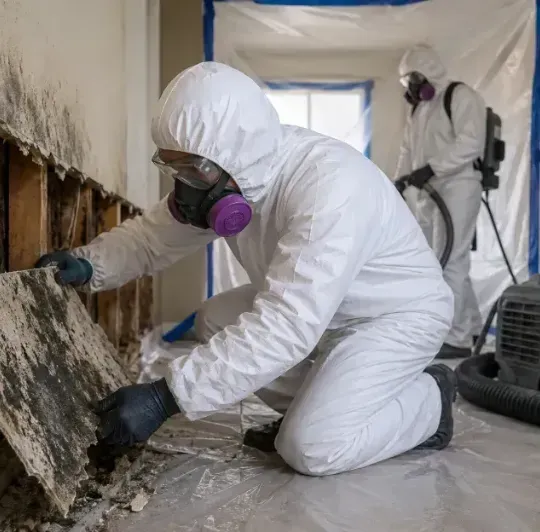
A professional approach generally focuses on identifying the affected areas, controlling the work area when appropriate, removing or cleaning affected materials, and addressing moisture conditions.
If you are unfamiliar with the process, our guide to the professional mold remediation process explains what homeowners can expect during professional cleanup.
That is why prevention after remediation is just as important as the cleanup itself.
If you are dealing with recurring mold, working with a qualified mold remediation specialist can help determine whether the problem is related to hidden moisture, incomplete drying, or a new source of water.
How to Prevent Mold From Coming Back After Remediation
Once remediation is complete, homeowners should focus on keeping the property dry and addressing moisture problems quickly.
Regularly check areas where water problems are more likely to occur, including bathrooms, kitchens, laundry rooms, attics, basements or crawl spaces, around windows, and beneath plumbing fixtures.
Repair leaks as soon as they are discovered. Make sure bathrooms and other humid areas have adequate ventilation. Keep air moving through areas that tend to become damp, and monitor spaces where condensation commonly develops.
It is also important to respond quickly after water damage. A small plumbing leak may not seem serious at first, but water that remains trapped inside building materials can create larger problems.
If your home has experienced flooding, a major leak, or another water event, consider addressing the water damage before it develops into a larger mold issue.
What Should You Do If Mold Returns?
If you notice mold again after remediation, do not immediately assume that the previous work failed.
First, look for a possible moisture source. Think about whether there has been a recent leak, plumbing problem, roof issue, flooding event, condensation, or increase in indoor humidity.
Avoid simply painting over the affected area or repeatedly cleaning the visible mold without finding out why it returned. Surface cleaning may improve the appearance temporarily while leaving the underlying moisture problem unresolved.
If the affected area is large, the mold keeps returning, or you suspect hidden contamination, professional help may be appropriate.
A qualified mold remediation company can evaluate the situation and determine what steps may be needed. Depending on the circumstances, this may include moisture detection, containment, removal of affected materials, cleaning, drying, or other remediation procedures.
If you are in Texas, keep in mind that mold assessment and remediation can be regulated activities. When hiring a company, ask about the appropriate licensing and qualifications for the work involved.
When Should You Hire Professional Mold Remediation Services?
Not every small household moisture issue requires the same level of professional involvement. However, professional help may be useful when mold is widespread, keeps returning, is hidden, or is associated with significant water damage.
You may also want professional assistance if you cannot identify where the moisture is coming from.
Experienced mold remediation services can help determine the extent of the problem and develop a plan for addressing affected areas. Professional equipment may also help locate moisture that is not obvious during a basic visual inspection.
The goal is not simply to remove what you can see. It is to address the conditions that allowed the mold to develop in the first place.
Can Mold Return Even After Professional Remediation?
Yes, mold can return even after professional remediation if new moisture enters the property or an underlying moisture issue develops later.
This does not necessarily mean the original remediation was unsuccessful. A properly remediated area can remain clean, but a new leak, flood, roof problem, or humidity issue can create new conditions for mold growth.
Think of mold prevention as an ongoing part of home maintenance.
Keep the property dry, fix water problems quickly, maintain proper ventilation, and investigate unusual odors or signs of moisture before they become larger problems.
Final Thoughts
So, can mold come back after remediation? Yes, but recurring mold is often connected to moisture that remains or returns after the original cleanup.
Professional remediation can address existing mold, but long-term prevention depends on controlling moisture and maintaining the property. Fixing leaks, improving ventilation, drying water-damaged materials, and watching for early warning signs can all help reduce the chance of mold returning.
If mold has returned to your home, do not simply cover it up or continue cleaning the same area without finding the cause. A professional evaluation may help identify whether hidden moisture or another issue is contributing to the recurring growth.
If you need help determining the next step, contact our team through the contact page to discuss your mold concerns and learn more about available remediation options.
Frequently Asked Questions
1. Can mold come back after remediation?
Yes, mold can come back after remediation if moisture remains or a new moisture problem develops. Leaks, flooding, high humidity, condensation, and hidden water can create conditions that allow new mold growth.
2. Why does mold keep coming back after remediation?
Mold may keep coming back when the original moisture source was not fully corrected, hidden moisture remains behind building materials, indoor humidity is too high, or affected materials were not completely addressed.
3. How can I prevent mold from returning after remediation?
Prevent mold from returning by fixing leaks quickly, controlling indoor humidity, improving ventilation, drying water-damaged materials, and checking areas that are prone to moisture. Regular inspections can also help identify problems early.
4. Should I hire a mold remediation specialist if mold returns?
A mold remediation specialist may be helpful when mold repeatedly returns, covers a large area, is hidden, or is associated with significant water damage. A professional can help identify moisture sources and determine the appropriate remediation approach.
5. Does professional mold remediation permanently remove mold?
Professional mold remediation can remove or clean existing mold contamination, but it cannot guarantee that mold will never return. New leaks, flooding, high humidity, or other moisture problems can create new mold growth.
Best Option Restoration