Have you noticed mold growing in your bathroom, basement, or after a recent water leak? Your first thought might be to grab a bottle of bleach and clean it yourself. While that may seem like the quickest solution, it doesn't always solve the real problem.
Many homeowners try DIY mold removal to save time and money. Although it can work for very small surface mold, larger or hidden mold problems often require a different approach. Cleaning what you can see doesn't always remove the mold growing behind walls, under flooring, or inside insulation.
So, which option actually works? In this guide, we'll compare DIY mold removal with professional mold removal, explain when each option is appropriate, and help you decide the safest solution for your property.
Understanding the Difference Between Mold Cleaning and Mold Removal
Before deciding how to handle mold, it's important to understand the difference between cleaning mold and removing it.
Mold cleaning usually involves wiping or scrubbing visible mold from the surface using household cleaning products. This may improve the appearance of the affected area, but it doesn't always eliminate mold spores or fix the moisture problem that caused the mold to grow.
Professional mold removal, on the other hand, focuses on identifying the source of moisture, safely removing contaminated materials when necessary, cleaning affected surfaces, and reducing the risk of mold returning. Instead of treating only the visible signs, professionals address the entire problem.
When DIY Mold Removal May Be Enough
There are situations where DIY mold removal can be a reasonable option. Small patches of mold on hard, non-porous surfaces such as bathroom tiles, glass, or metal can often be cleaned safely if the moisture source has already been repaired.
Before cleaning, it's important to wear gloves, eye protection, and a mask to reduce exposure to mold spores. The affected area should also be dried completely after cleaning to discourage future mold growth.
However, DIY cleaning is only suitable for limited situations. If mold continues returning after cleaning or covers a larger area, professional help is usually the better choice.
The Limitations of DIY Mold Removal
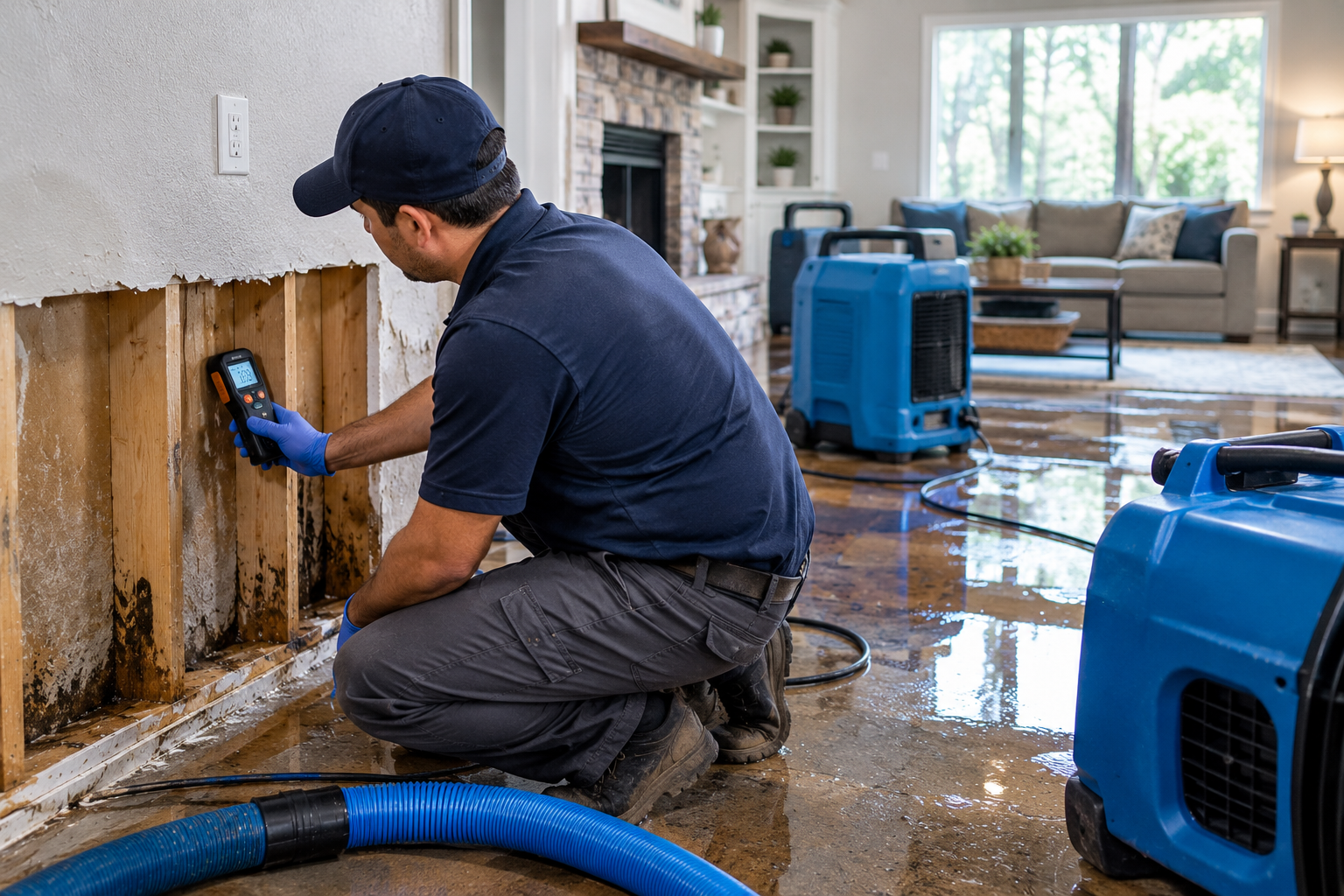
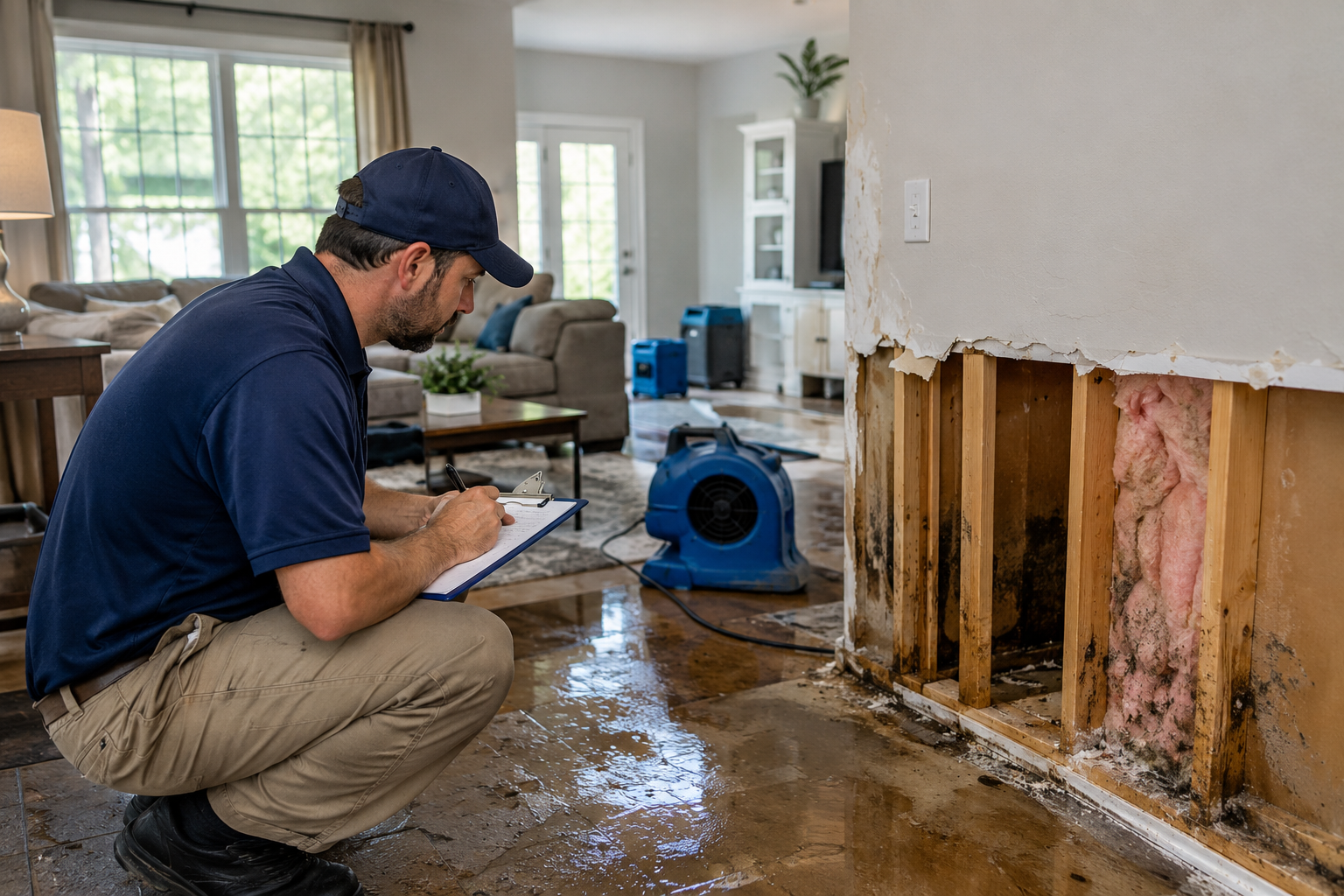
Although cleaning mold yourself may seem cost-effective, it has several limitations. One of the biggest challenges is that mold often grows in places you can't see, including behind drywall, beneath flooring, inside insulation, or around plumbing leaks.
Household cleaners may remove surface stains, but they rarely eliminate mold hidden inside building materials. In some cases, scrubbing mold without proper containment can release spores into the air and spread contamination to other parts of the home.
Without addressing the source of moisture, DIY mold removal often becomes a temporary solution rather than a permanent one.
How Professional Mold Removal Works
Unlike basic cleaning, professional mold removal follows a structured process designed to eliminate mold safely and reduce the chance of it returning.
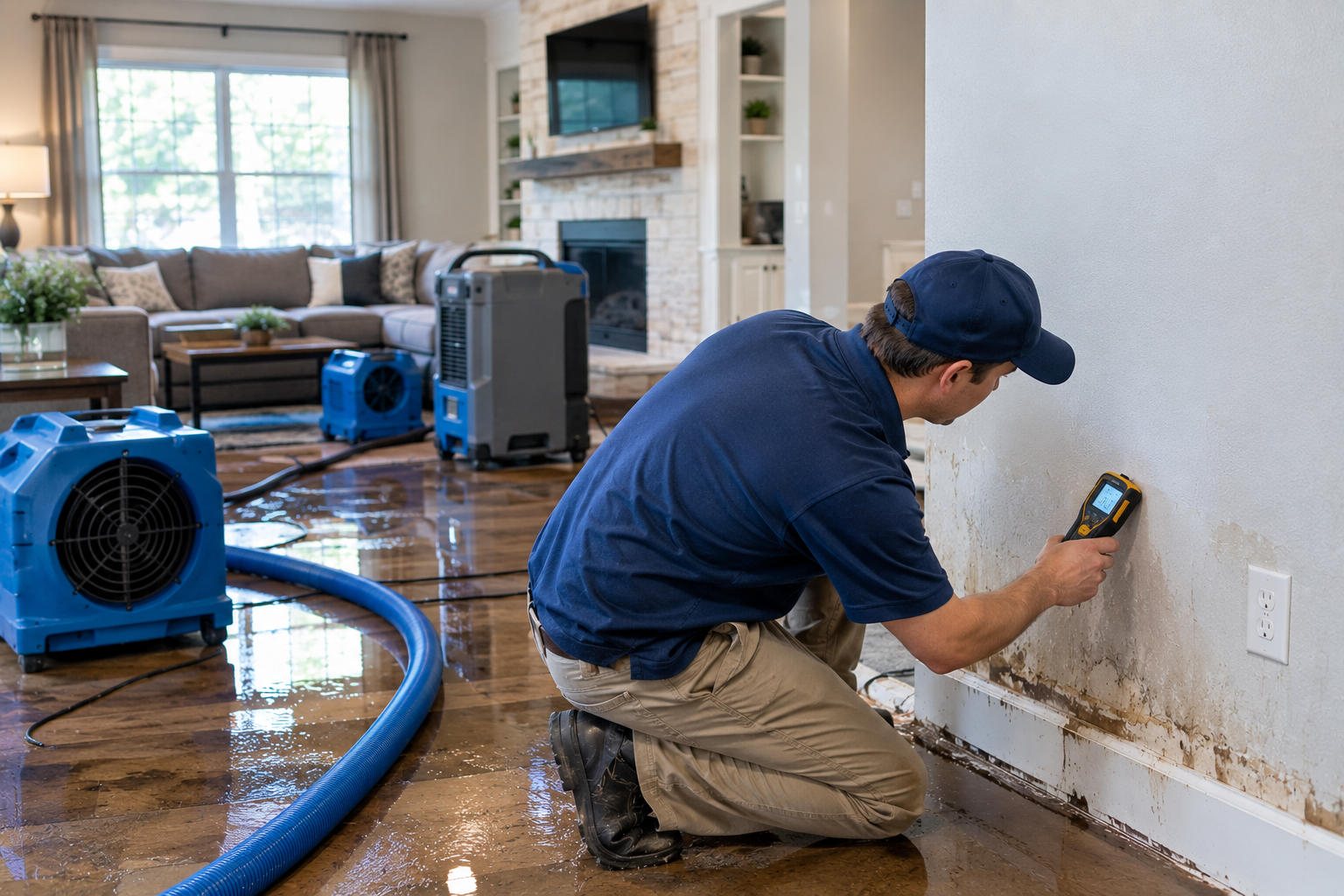
The process begins with a detailed inspection to determine the extent of mold growth and locate hidden moisture. Professionals then isolate the affected area using containment barriers and HEPA air filtration systems to prevent mold spores from spreading during cleanup.
Contaminated materials are removed when necessary, remaining surfaces are cleaned using specialized equipment, and the property is thoroughly dried before restoration begins. Every step is designed to solve both the mold problem and the moisture issue behind it.
Comparing DIY Mold Removal and Professional Mold Removal
Both methods have their place, but they serve different purposes depending on the severity of the mold problem.
DIY mold removal is generally suitable for small, isolated areas where the moisture source has already been corrected. It can be a practical option for minor surface mold that hasn't spread into building materials.
Professional mold removal is recommended when mold covers a larger area, keeps returning after cleaning, or follows flooding, plumbing leaks, or significant water damage. Professionals have the training and equipment needed to detect hidden mold and remove it safely without spreading contamination.
Choosing the right approach depends on the size of the problem, where the mold is growing, and whether moisture has been fully addressed.
Signs It's Time to Call a Professional
Sometimes it's difficult to know whether a mold problem can be handled at home or requires expert attention. Certain warning signs indicate that professional assistance is the safer option.
You should consider professional mold removal if:
- Mold keeps returning after cleaning.
- You notice a strong musty smell indoors.
- Mold covers a large area or spreads quickly.
- Your property has experienced flooding or major water damage.
- Mold is growing behind walls, ceilings, or flooring.
- Family members experience worsening allergy symptoms indoors.
Taking action early often prevents additional damage and helps avoid more expensive repairs.
Why Professional Mold Removal Offers Long-Term Results
The biggest advantage of professional mold removal is that it addresses the entire problem instead of only the visible mold. Professionals identify hidden moisture, remove contaminated materials safely, and dry the affected areas thoroughly before completing repairs.
They also use commercial equipment such as moisture meters, HEPA air scrubbers, industrial dehumidifiers, and specialized cleaning products that aren't typically available to homeowners. These tools allow them to complete the job more effectively and reduce the risk of mold returning.
For homeowners dealing with recurring mold or extensive water damage, professional remediation often provides a more reliable and long-lasting solution.
How to Prevent Mold from Returning
Whether you choose DIY mold removal or hire professionals, preventing future mold growth starts with controlling moisture. Repair plumbing leaks quickly, improve ventilation in bathrooms and kitchens, and maintain indoor humidity at recommended levels.
If your home experiences flooding or water damage, dry affected materials within 24 to 48 hours whenever possible. Regularly inspecting your property for signs of leaks can also help catch moisture problems before mold has an opportunity to develop.
Simple maintenance habits can make a significant difference in keeping your home healthier and reducing the likelihood of future mold issues.
Which Option Is Right for Your Home?
The best solution depends on the size of the mold problem and its underlying cause. Small areas of surface mold may respond well to DIY mold removal when the moisture issue has already been resolved.
However, if mold continues returning, affects multiple areas, or follows major water damage, professional mold removal is often the safer and more effective choice. Professionals can identify hidden mold, correct moisture problems, and restore your property using proven remediation techniques.
Choosing the right solution early can save time, reduce repair costs, and help protect your home from further damage.
Conclusion
Both DIY mold removal and professional mold removal have their place, but they are not equally effective in every situation. While DIY cleaning may work for small surface mold, it often doesn't solve hidden contamination or address the moisture source responsible for mold growth.
Professional removal provides a more complete solution by identifying the cause, removing mold safely, and helping prevent future problems. Understanding the difference allows homeowners to make informed decisions and protect their property's long-term condition.
If you've noticed signs of mold or recent water damage, you can connect through our contact page to schedule a professional inspection and learn how our mold remediation experts can help restore your property safely.
Frequently Asked Questions
1. Is DIY mold removal effective for all types of mold?
DIY mold removal may be effective for cleaning small amounts of mold on hard, non-porous surfaces if the moisture source has already been fixed. However, larger or hidden mold problems often require professional mold removal to ensure the mold is removed safely and completely.
2. When should I choose professional mold removal instead of DIY mold removal?
You should consider professional mold removal if mold covers a large area, keeps returning after cleaning, follows water damage, or is growing behind walls or under flooring. Professionals have the equipment and expertise to remove mold safely and address the source of the problem.
3. What are the risks of DIY mold removal?
While DIY mold removal can work for minor surface mold, improper cleaning may spread mold spores to other areas of your home. It may also leave hidden mold behind if the underlying moisture problem is not identified and corrected.
4. How does professional mold removal differ from DIY mold cleaning?
Professional mold removal involves inspecting the property, identifying hidden moisture, containing affected areas, safely removing mold, cleaning contaminated surfaces, and restoring damaged materials. DIY mold removal typically focuses only on cleaning visible mold and may not address the root cause.
5. Can mold return after DIY mold removal?
Yes. Mold can return after DIY mold removal if moisture remains inside the property or hidden mold is left untreated. Professional mold removal helps reduce the risk of recurring mold by removing contamination thoroughly and correcting the conditions that allowed mold to grow.
Best Option Restoration