Have you ever discovered mold in your home and immediately wondered what happens next?
For many homeowners, discovering mold is more than just an appearance issue. Mold growth often indicates an underlying moisture problem that can affect indoor air quality and potentially damage building materials if left untreated. Whether mold develops after a plumbing leak, storm damage, or prolonged humidity exposure, understanding how the Mold Remediation Process works can help
property owners make informed decisions about protecting their homes and families.
Many people assume mold remediation simply means cleaning visible mold from surfaces. In reality, the process is much more detailed. Professional remediation focuses on finding the source of the problem, preventing mold from spreading, removing contamination safely, and restoring healthy indoor conditions.
When performed correctly, mold remediation helps protect your property, improve indoor air quality, and reduce the risk of future mold growth. Understanding each step can help homeowners feel more confident when working with remediation professionals.
Why Mold Remediation Is Different From Simple Mold Cleaning
One of the biggest misconceptions about mold is that it can always be solved with household cleaners. While wiping away a small patch of surface mold may temporarily improve the appearance of an area, it often does not solve the underlying problem.
Mold develops because moisture is present. If the moisture source remains, mold can return even after the visible growth has been cleaned away.
The goal of the Mold Remediation Process is not simply to remove visible mold. Instead, it focuses on identifying why mold developed, containing affected areas, addressing moisture issues, and restoring the environment to a safe condition.
This is why professional remediation is often recommended when mold affects large areas, hidden spaces, or building materials. Professional solutions address both the contamination and the conditions that allowed mold growth in the first place.
Step 1: Initial Inspection and Assessment
Every successful remediation project begins with a thorough inspection.
Before any work starts, a mold remediation specialist evaluates the property to understand the extent of the contamination. This step helps determine where mold is growing, how far it has spread, and what may be causing the issue.
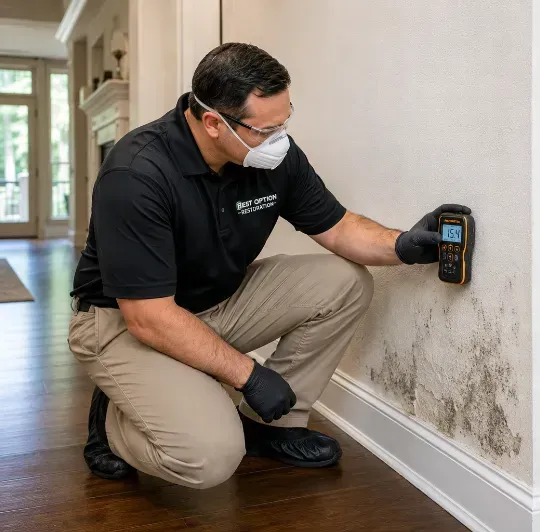
The inspection often includes visual observations, moisture readings, and an evaluation of areas that have experienced water intrusion. Professionals may examine attics, crawl spaces, bathrooms, HVAC systems, and other locations where moisture problems commonly occur.
This stage is important because visible mold is not always the full story. Mold often grows behind walls, beneath flooring, or inside insulation. Identifying all affected areas helps create a remediation plan that addresses the entire problem rather than just the symptoms.
Step 2: Finding and Addressing the Moisture Source
Mold cannot continue growing without moisture.
Because of this, one of the most important parts of the Mold Remediation Process is identifying the source of the water or humidity issue. If the moisture problem is not corrected, mold may return after remediation is completed.
Common moisture sources include:
- Roof leaks
- Plumbing leaks
- HVAC condensation
- Poor ventilation
- Flood or storm damage
Professional remediation teams investigate these issues carefully. In many situations, the visible mold is only a warning sign that a larger moisture problem exists somewhere within the property.
Correcting the moisture source helps ensure that remediation efforts provide long-term results instead of temporary improvements.
Step 3: Containment of Affected Areas
Once the scope of contamination is understood, containment procedures begin.
Containment is designed to prevent mold spores from spreading into unaffected parts of the property while remediation work is taking place. This is one of the reasons why professional remediation differs from do-it-yourself cleaning methods.
During remediation, disturbing mold can release spores into the air. Without proper containment, those spores may travel throughout the home and settle in new areas.
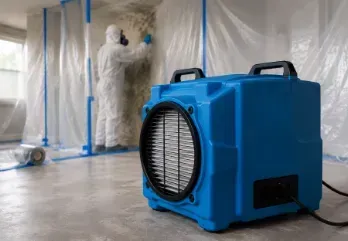
Professional teams typically use specialized barriers and negative air pressure systems to isolate affected areas. These measures help keep contamination contained while removal and cleaning activities are performed.
For homeowners, containment provides peace of mind because it helps protect the rest of the property during the remediation process.
Step 4: Air Filtration and Environmental Control
Air quality management plays a major role in professional remediation.
As work is performed, specialized filtration equipment helps capture airborne particles and mold spores. This reduces contamination levels and helps create a safer working environment.
Many mold remediation contractors use HEPA-filtered air scrubbers and other filtration systems throughout the project. These devices continuously clean the air and help reduce the movement of contaminants.
Air filtration is especially important in homes where occupants have allergies, asthma, or respiratory sensitivities. By controlling airborne particles during remediation, professionals help minimize exposure and improve overall indoor conditions.
This step also supports the effectiveness of containment procedures and contributes to a more successful remediation outcome.
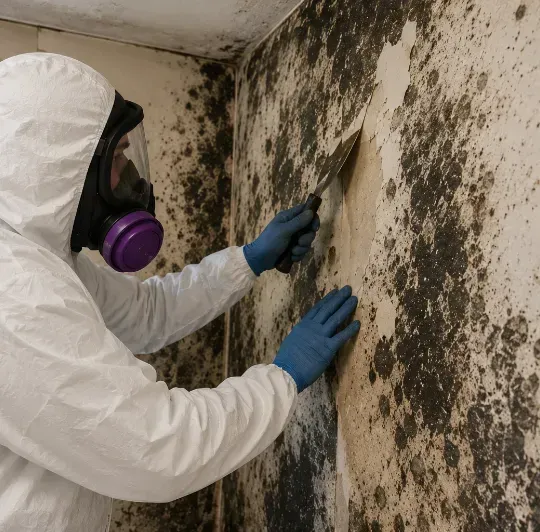
Step 5: Removal of Contaminated Materials
In some situations, affected materials can be cleaned and restored. In others, removal may be necessary.
The decision depends on the extent of contamination and the type of material involved. Porous materials such as drywall, insulation, ceiling tiles, and carpeting may require removal if mold growth is extensive.
The purpose of removal is not to create additional demolition but to eliminate materials that cannot be adequately cleaned.
Professional remediation teams carefully remove affected materials while following containment procedures designed to prevent contamination from spreading.
Although this stage may seem disruptive, it is often an essential part of restoring healthy indoor conditions and preventing future mold problems.
Step 6: Cleaning and Surface Treatment
After contaminated materials have been removed, remaining surfaces are cleaned using specialized methods and equipment.
This stage helps remove mold residue, dust, and other contaminants that may remain within the affected area.
A mold remediation specialist selects cleaning methods based on the type of material being treated and the extent of contamination present. The goal is to restore affected surfaces while minimizing damage to the property.
Unlike ordinary household cleaning, remediation cleaning follows procedures designed specifically for mold contamination. These methods focus on reducing contamination levels and improving overall environmental conditions.
Proper cleaning helps ensure that remediation efforts address both visible and microscopic contamination.
Step 7: Drying the Affected Area
Drying is one of the most important parts of the remediation process.
Even after mold has been removed, excess moisture must be eliminated to help prevent future growth. Professional remediation teams use commercial drying equipment to reduce moisture levels within affected materials and surrounding areas.
This may include dehumidifiers, air movers, and moisture monitoring tools.
The drying phase can take several days depending on the extent of water damage and environmental conditions. However, it is a critical step because mold thrives in damp environments.
Ensuring that moisture levels return to normal helps support the long-term success of the remediation project.
Step 8: Final Verification and Documentation
Before a remediation project is considered complete, professionals verify that the work has been performed according to the established remediation plan.
This final stage may involve visual inspections, moisture verification, and documentation of completed work.
Many property owners appreciate having documentation because it provides a record of the remediation process. This information can be useful for insurance purposes, property transactions, and future maintenance planning.
Professional remediation teams understand the importance of transparency and often provide detailed reports outlining the work that was completed.
This documentation helps demonstrate that the issue was addressed responsibly and professionally.
Why Professional Mold Remediation Services Are Worth It
Many homeowners initially consider handling mold themselves to save money. While small surface issues may sometimes be managed safely, larger or hidden contamination often requires professional expertise.
Professional mold remediation services provide access to specialized equipment, industry knowledge, and proven procedures that help improve results.
Professionals understand how mold spreads, how moisture behaves within building materials, and how to protect unaffected areas during remediation.
More importantly, they focus on identifying the underlying cause of the problem rather than simply treating visible symptoms.
This comprehensive approach often saves homeowners time, money, and frustration in the long run.
Choosing the Right Mold Remediation Company
Not all remediation providers offer the same level of experience and expertise. Choosing qualified mold remediation contractors is an important step in achieving a successful outcome.
Property owners should look for companies with experience, proper licensing where applicable, and a clear understanding of remediation procedures. Asking questions about containment methods, moisture detection, documentation, and cleanup procedures can help you make an informed decision.
Conclusion
Discovering mold in your home can feel overwhelming, but understanding the Mold Remediation Process helps make the situation easier to manage.
Professional remediation is much more than simply cleaning visible mold. It involves inspection, moisture control, containment, air filtration, material removal, cleaning, drying, and final verification. Each step plays an important role in creating a safer and healthier indoor environment.
If you are dealing with mold concerns and want guidance from experienced professionals, you can visit our contact page to learn more about available remediation solutions and discuss your specific situation.
FAQs (Answer Engine Optimized)
1. What is the mold remediation process?
The Mold Remediation Process is a structured approach used to identify, contain, remove, and prevent mold contamination while addressing the moisture source that caused the growth.
2. How long does a professional mold remediation process take?
The timeline depends on the size of the affected area and the severity of contamination. Small projects may take a few days, while larger remediation projects can take longer.
3. What is the difference between mold removal and mold remediation?
Mold removal focuses on eliminating visible mold, while remediation addresses both contamination and the moisture conditions that allowed mold growth to occur.
4. Can mold return after remediation?
Mold can return if the underlying moisture source is not corrected. Proper remediation includes moisture control to help reduce the risk of future growth.
5. Does homeowners insurance cover mold remediation?
Coverage depends on the cause of the mold damage and the specifics of the insurance policy. Property owners should consult their insurance provider for details.
Best Option Restoration