Have you discovered mold in your home and started searching for a company to solve the problem? If so, you've probably noticed that some companies advertise mold services at very low prices while others emphasize licensing, compliance, and professional remediation procedures. At first glance, it may seem like every company offers the same service. However, when it comes to mold, the qualifications of the company you hire can make a significant difference.
This is why many property owners specifically look for TDLR licensed mold remediation services. Mold is not simply a cosmetic issue that can be cleaned with household products. If it is not handled correctly, mold can continue spreading, affect indoor air quality, damage building materials, and create concerns during future property transactions.
For homeowners, business owners, property managers, and real estate professionals, understanding the value of working with licensed professionals is important. The right company can help protect your property, provide proper documentation, and ensure the remediation process follows Texas regulations.
Understanding TDLR Licensed Mold Remediation
The Texas Department of Licensing and Regulation, commonly known as TDLR, oversees mold remediation activities throughout the state. These regulations were created to ensure that mold issues are addressed safely and professionally rather than through shortcuts that could leave contamination behind.
A company providing TDLR licensed mold remediation services has met state requirements and follows approved procedures when handling mold contamination. This includes using proper containment methods, following remediation protocols, and maintaining compliance with state regulations.
Many property owners are unaware that mold remediation is regulated in Texas. Because of this, they may assume that any contractor can perform mold work. However, mold remediation requires specialized knowledge about contamination control, moisture management, and safety procedures. Licensed companies are trained to address these issues in a way that helps protect both the property and its occupants.
When you hire a licensed company, you are not simply paying for mold removal. You are investing in a process designed to identify the source of the problem, contain contamination, and reduce the risk of future mold growth.
Why Mold Problems Require Professional Attention
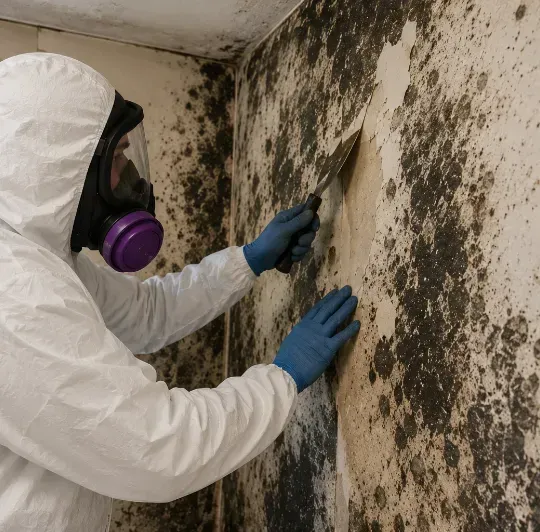
Mold often begins in places that are difficult to see. It can grow behind walls, above ceilings, inside insulation, beneath flooring, or around HVAC systems. In many cases, property owners do not discover mold until they notice a musty odor, visible staining, or health-related concerns.
The challenge is that visible mold is often only part of the problem. The moisture source that allowed mold to develop may still exist behind building materials. If that moisture issue is not addressed, mold can return even after the visible growth is removed.
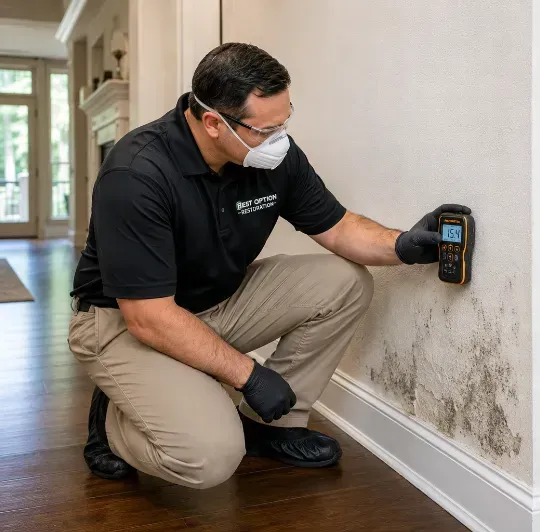
Professional remediation focuses on the entire situation rather than just the surface appearance. Licensed companies investigate the cause of the mold, determine the extent of contamination, and develop a remediation plan that addresses both the mold and the conditions that allowed it to grow.
This comprehensive approach helps create more reliable and long-lasting results.
The Difference Between Licensed and Unlicensed Mold Companies
One of the biggest mistakes property owners make is assuming that all mold companies provide the same level of service. While some companies follow industry standards and state regulations, others may simply clean visible mold without addressing the larger problem.
Licensed mold remediation contractors are required to follow established procedures designed to prevent contamination from spreading during the remediation process. They understand how mold behaves, how spores travel through the air, and how to protect unaffected areas of a property.
Unlicensed contractors may not have the same training or understanding of containment procedures. In some situations, improper cleanup can actually spread mold spores to other areas of the building, making the problem larger than it was originally.
Although unlicensed services may appear less expensive upfront, the long-term costs of incomplete remediation can be much higher. Additional repairs, recurring mold growth, and future remediation expenses often outweigh any initial savings.
Better Protection for Your Property
Your home or commercial property is one of your most valuable investments. When mold is present, protecting that investment should be a priority.
Mold can affect drywall, wood framing, insulation, flooring materials, ceiling systems, and other building components. If contamination is allowed to spread, repair costs can increase significantly over time.
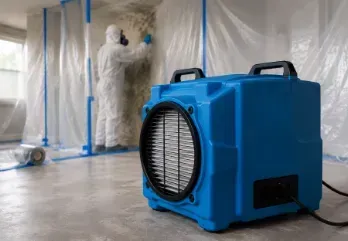
Licensed remediation professionals take steps to protect unaffected areas while work is being completed. Containment systems, air filtration devices, and specialized cleaning procedures help minimize the risk of cross-contamination.
This attention to detail helps preserve the condition of the property and reduces the likelihood of additional damage occurring during the remediation process.
Property owners often find that hiring qualified professionals provides greater peace of mind because they know the work is being performed according to recognized standards.
Health and Indoor Air Quality Benefits
One reason mold receives so much attention is its impact on indoor environments. Mold releases microscopic spores into the air, and these spores can travel throughout a property if they are not properly controlled.
For some individuals, exposure to mold-contaminated environments may contribute to symptoms such as coughing, sneezing, congestion, eye irritation, or respiratory discomfort. Families with young children, elderly individuals, or occupants with existing respiratory conditions are often particularly concerned about indoor air quality.
A licensed mold remediation specialist understands how to manage airborne contamination during the remediation process. Specialized filtration equipment and containment procedures help reduce the spread of spores while affected materials are being removed or cleaned.
The goal is not only to eliminate visible mold but also to improve the overall indoor environment so occupants can feel more confident about the condition of the property.
Proper Identification of Moisture Sources
One of the most important aspects of successful mold remediation is identifying the moisture source. Mold cannot continue growing without moisture, which means any long-term solution must address the underlying cause.
Common moisture sources include roof leaks, plumbing failures, poor drainage, HVAC condensation, storm damage, and excessive indoor humidity. In some situations, moisture problems may exist for months before visible mold becomes apparent.
Experienced remediation professionals investigate these conditions carefully. Instead of focusing only on the visible contamination, they look for the factors that allowed mold to develop in the first place.
By correcting the moisture source, property owners reduce the likelihood of future mold growth and help protect the effectiveness of the remediation work.
Why Documentation Matters
Documentation is often overlooked until it becomes necessary. Many property owners assume that once mold has been addressed, the project is finished. However, proper records can be extremely valuable in the future.
Licensed companies typically provide detailed documentation regarding the remediation process. These records may help demonstrate that the work was completed professionally and according to accepted procedures.
This becomes particularly important during property sales, insurance claims, and commercial transactions. Buyers, insurers, and property managers often want reassurance that mold concerns were handled properly.
Having documentation from licensed professionals can help answer questions and provide confidence that the issue was addressed responsibly.
Benefits During Real Estate Transactions
Mold concerns can affect real estate transactions in several ways. Buyers often become cautious when mold is mentioned during inspections, and uncertainty can slow negotiations or create additional requests for information.
When remediation has been performed by licensed mold remediation contractors, buyers are generally more comfortable reviewing documentation and understanding the steps that were taken to resolve the issue.
This transparency helps build trust and can reduce concerns about hidden damage or future problems. Realtors and investors often appreciate having clear records because they make it easier to explain the property's history.
If you are preparing to sell a property and have questions about mold remediation requirements, you can connect through our contact page to learn more about available services and compliance-focused solutions.
Long-Term Value of Professional Mold Remediation Services
Some property owners view mold remediation as an unexpected expense. While remediation certainly involves an investment, it can also provide long-term value when completed correctly.
Professional remediation helps protect property value, reduce the risk of recurring contamination, improve indoor conditions, and provide documentation that may be useful in future transactions.
Choosing professional mold remediation services often results in a more comprehensive solution than temporary cleanup methods. Rather than addressing only visible mold, licensed professionals focus on identifying the source, controlling contamination, and helping prevent future issues.
Over time, this approach can save property owners money while reducing the stress associated with recurring mold problems.
Conclusion
Mold issues should never be treated as a simple cleaning project. Successful remediation requires proper containment, moisture control, documentation, and compliance with Texas regulations.
Choosing a company that provides TDLR licensed mold remediation services helps ensure that the work is completed according to professional standards. Licensed professionals bring experience, accountability, and a structured approach that helps protect both your property and your investment.
Whether you are dealing with mold in a home, commercial building, or investment property, working with qualified experts can make a significant difference in the outcome. If you would like guidance regarding your specific situation, you can visit our contact page to connect with experienced remediation professionals.
FAQs (Frequently Asked Questions)
1. What is TDLR licensed mold remediation?
TDLR licensed mold remediation refers to mold remediation work performed by a company licensed through the Texas Department of Licensing and Regulation and operating under state-established standards and regulations.
2. Why should I hire licensed mold remediation contractors?
Licensed mold remediation contractors follow approved procedures, provide proper documentation, address moisture sources, and help reduce the risk of recurring mold problems.
3. What does a mold remediation specialist do?
A mold remediation specialist evaluates contamination, identifies moisture issues, develops remediation plans, and helps ensure mold is addressed safely and effectively.
4. Are professional mold remediation services worth the cost?
Professional mold remediation services often provide more reliable long-term results because they address both mold contamination and the conditions that allowed mold growth to occur.
5. Can mold remediation help during a property sale?
Yes. Proper remediation and documentation can help build buyer confidence, support inspections, and reduce concerns during real estate transactions.
Best Option Restoration