
Imagine you’re getting ready to sell your home in Montgomery, TX. Everything seems on track until a buyer’s inspection reveals mold. Suddenly, questions start coming up. Do you have to disclose it? Will buyers walk away? Can the house still be sold?
The good news is yes, you can still move forward with selling a house with mold in Texas. But the process needs to be handled carefully. Mold issues can affect buyer trust, property value, financing, and even legal responsibilities.
For homeowners and realtors, understanding the right steps is important. A mold problem does not automatically ruin a sale, but hiding it or handling it incorrectly can create major complications later.
The key is knowing how Texas disclosure rules work, how remediation should be handled, and what buyers expect during the process.
Why Mold Is a Serious Concern in Montgomery
Montgomery homes are no strangers to moisture issues. The warm climate and humidity levels in Texas create the perfect environment for mold growth.
Mold often develops after:
- Roof leaks
- Plumbing problems
- Flooding or storm damage
- Poor ventilation
- High indoor humidity
Sometimes the mold is visible, but in many cases it stays hidden behind walls, inside attics, or under flooring. This becomes a concern during home sales because buyers today are more informed about indoor air quality and property conditions than ever before. Many buyers specifically ask about mold history before making an offer.
That is why homeowners dealing with selling a house with mold in Texas should focus on transparency and proper documentation from the beginning.
Can You Legally Sell a House with Mold in Texas?
Yes, you can legally sell a home that has a history of mold. However, Texas law requires sellers to disclose known property issues that may affect the value or safety of the home.
This is where mold disclosure laws Montgomery homeowners should understand become important.
If you know about mold damage or past remediation, you may be required to disclose:
- Previous mold problems
- Water damage history
- Repairs or remediation work completed
- Areas affected by moisture
Failing to disclose known issues can lead to legal disputes after the sale. For realtors, this is especially important because buyers often request records during negotiations. Proper disclosure helps build trust and protects everyone involved in the transaction.
Why Buyers Worry About Mold
Most buyers hear the word “mold” and immediately think about health problems or expensive repairs. Even small mold issues can create concern if there is no clear explanation or documentation.
Buyers usually worry about:
- Indoor air quality
- Structural damage
- Future repair costs
- Health risks for children or elderly family members
In many cases, buyers are not scared of the mold itself; they are worried about uncertainty. This is why professional documentation and a CDRM (Clearance of Mold Damage Remediation) report can make a major difference. When buyers see that the issue was properly handled, they are more likely to feel comfortable moving forward.
The Importance of Professional Mold Remediation
One of the biggest mistakes sellers make is trying to hide or quickly paint over mold before listing the property.
This rarely works.
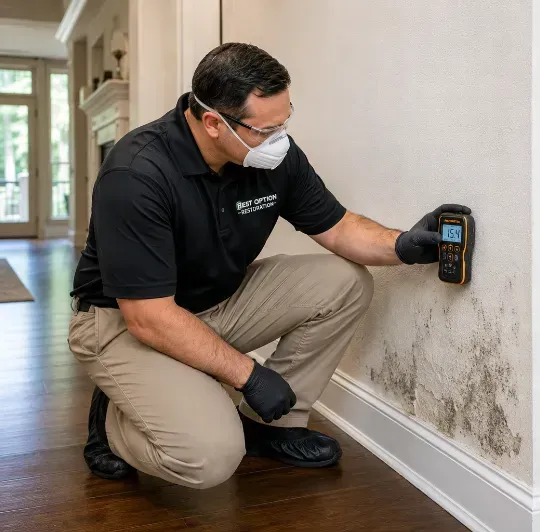
Home inspectors are trained to spot signs of moisture and mold. If buyers discover hidden problems later, it can destroy trust and even create legal problems.
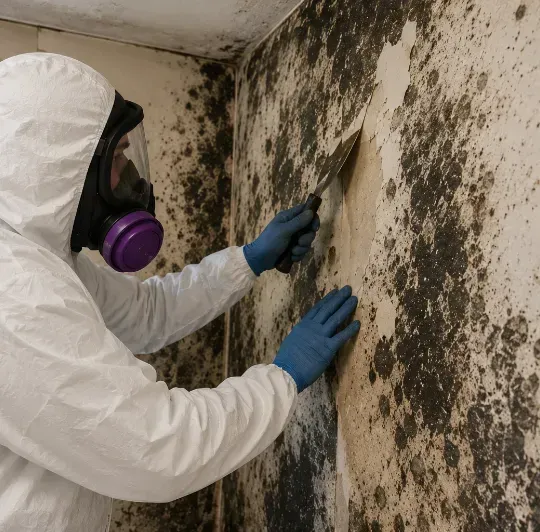
Instead, sellers should focus on proper remediation. Professional remediation identifies the source of moisture, removes contamination safely, and provides documentation showing that the issue has been resolved correctly.
This approach not only protects the transaction but also improves buyer confidence. If you are unsure where to begin, you can connect through our contact page to speak with professionals experienced in handling mold concerns before listing a property.
What Is a CDRM (Clearance of Mold Damage Remediation)?
A more accurate term used in Texas mold remediation is CDRM, which stands for Clearance of Mold Damage Remediation. This documentation confirms that remediation work has been completed and the affected areas meet post-remediation standards.
This process usually includes:
- Inspection of affected areas
- Verification that remediation was completed
- Air or surface testing if needed
- CDRM documentation after successful clearance
For sellers, CDRM documentation acts as proof that the issue was addressed properly. For buyers, it provides reassurance that they are not purchasing a property with unresolved mold problems.
In competitive markets, having proper remediation clearance documentation can even help sellers avoid delays and negotiations related to mold concerns.
How Mold Affects Property Value
Mold can impact property value, but the extent depends on how the issue is handled.
A home with active mold problems and no documentation may lose buyer interest quickly. Some buyers may request large price reductions, while others may avoid the property entirely.
However, a home with documented remediation and proper CDRM documentation often performs much better.
Buyers understand that many homes experience moisture issues at some point. What matters most is whether the problem was resolved correctly.
For homeowners focused on selling a house with mold in Texas, the goal should not be hiding the issue, it should be demonstrating responsible action and transparency.
How Realtors Can Protect the Transaction
Realtors play an important role when mold issues are involved. Good communication and proper documentation help prevent confusion during negotiations.
Experienced agents often recommend:
- Professional inspections
- Licensed remediation companies
- Clear disclosure paperwork
- Organized remediation and CDRM records
This creates a smoother process for both buyers and sellers. Realtors who understand mold disclosure laws Montgomery clients must follow are better prepared to guide transactions without unnecessary delays.
Common Mistakes Sellers Should Avoid
Many homeowners panic when mold is discovered before a sale. Unfortunately, rushed decisions can make the situation worse.
Some common mistakes include:
- Hiding visible mold
- Using bleach without fixing moisture issues
- Skipping professional inspections
- Failing to disclose previous problems
These actions often create more legal and financial risk later. The better approach is to address the issue professionally and maintain documentation throughout the process.
The Role of Inspections During a Sale
Inspections are one of the most important parts of real estate transactions involving mold.
A buyer’s inspector may look for:
- Water stains
- Musty odors
- Humidity problems
- Visible contamination
- Signs of past repairs
Even if mold is not visible, signs of moisture can raise concerns. This is why preparing ahead of time matters. Sellers who complete remediation before listing usually experience fewer surprises during inspection periods.
Why Transparency Builds Buyer Confidence
Buyers appreciate honesty, especially when it comes to property condition issues.
Trying to hide mold often creates suspicion. On the other hand, providing inspection reports, remediation records, and clearance documentation helps build confidence.
Transparency also shows buyers that the seller handled the issue responsibly instead of ignoring it.
For many transactions, this level of openness can help save the deal.
Local Market Conditions in Montgomery, TX
Montgomery buyers are increasingly aware of environmental and indoor air quality issues. Because humidity is common in the area, mold concerns are something many local buyers expect to ask about.
This means sellers who prepare properly are often in a stronger position than those who wait until inspections reveal the issue unexpectedly.
Homes with clear remediation history and documentation tend to move through negotiations more smoothly.
When to Bring in Mold Professionals
Not every mold issue requires major remediation, but professional guidance is still valuable.
Professionals can help determine:
- How serious the issue is
- Whether remediation is necessary
- What documentation buyers may request
- Whether clearance testing is recommended
If you are preparing to sell a house with mold in Texas, working with experienced professionals early can help reduce stress and prevent delays later in the transaction process.
You can also connect through our contact page to better understand what steps may be needed before listing your property.
Conclusion: Selling a Home Successfully After Mold Issues
Selling a home with mold history in Montgomery is possible when the process is handled correctly. The key is being proactive, transparent, and properly documenting everything.
Understanding selling a house with mold in Texas helps homeowners and realtors avoid legal problems, maintain buyer trust, and protect property value.
Instead of hiding the issue, focus on professional remediation, disclosure compliance, and proper clearance documentation. Buyers are much more comfortable when they can see that the problem was resolved responsibly.
If you are dealing with mold concerns before listing your home, you can connect through our contact page to explore professional guidance and prepare your property for a smoother transaction.
FAQs (Frequently Asked Questions)
1. Can you legally sell a house with mold in Texas?
Yes, homeowners can legally sell properties with mold history in Texas, but known mold issues and previous remediation may need to be disclosed under local property disclosure requirements.
2. What are mold disclosure laws in Montgomery?
Mold disclosure laws Montgomery homeowners follow generally require sellers to disclose known water damage, mold issues, or repairs that could affect the property’s condition or value.
3. What is a CDRM in Texas mold remediation?
A CDRM (Clearance of Mold Damage Remediation) is documentation confirming that mold remediation was completed successfully and the affected areas passed post-remediation evaluation standards.
4. Will mold affect my home’s value?
Mold can affect property value, especially if problems are active or undocumented. Proper remediation and clearance reports often help reduce buyer concerns and protect property value.
5. Should sellers get professional mold remediation before listing?
Yes, professional remediation helps identify moisture sources, safely remove contamination, and provide documentation that builds buyer confidence during the home selling process.
Best Option Restoration