Imagine you just bought a property or are about to close a deal. During inspection, mold is found. Now the big question comes up, who should handle it? A licensed expert or a cheaper unlicensed contractor?
At first, it may seem like a simple decision. Many property owners are tempted to choose the lower-cost option to save money. But what most people don’t realize is that mold remediation is not just a cleaning job. It is a regulated process that directly impacts health, property value, and legal responsibility.
This is where Texas mold remediation laws become very important. These laws are designed to ensure that mold problems are handled safely and correctly. Ignoring them can lead to serious consequences, especially in real estate transactions or legal situations.
For real estate investors and legal professionals, understanding these rules is not optional. It helps you avoid legal trouble, protect your investment, and ensure that the work is done in a way that stands up to inspection and documentation requirements.
What Are Texas Mold Remediation Laws?
Texas mold remediation laws are regulations set by the Texas Department of Licensing and Regulation (TDLR). These laws control how mold assessment and remediation should be performed across the state.
The goal of these laws is simple: to protect people from unsafe practices and ensure that mold problems are handled in a controlled and professional manner. Mold can affect both health and property, so the process must follow clear standards.
Under these laws, mold remediation is not something that can be done casually. It requires proper planning, execution, and verification.
- Mold work must follow specific safety and reporting rules
- Only trained and certified professionals can perform certain tasks
- Documentation is required for legal and property purposes
These laws are especially important in real estate transactions. A property with unresolved or poorly handled mold issues can delay a sale, reduce property value, or even lead to legal disputes.
Understanding the Role of TDLR
The Texas Department of Licensing and Regulation (TDLR) plays a major role in overseeing mold-related activities. It ensures that professionals follow correct procedures and meet required safety standards.
One of the most important parts of this system is the TDLR License. This license proves that a professional has the training and knowledge required to perform mold-related work according to state guidelines.
Without this licensing, a contractor is not legally qualified to handle regulated mold remediation in many cases. This is where many property owners make a costly mistake. They hire unlicensed contractors to save money, without understanding the risks involved.
TDLR also enforces rules about how work is performed and documented. This includes everything from initial assessment to final clearance. The goal is to create a system where mold issues are handled transparently and responsibly.
Licensed vs Unlicensed Contractors: What’s the Real Difference?
The difference between licensed and unlicensed contractors is not just about paperwork. It directly affects the quality of work, safety of the environment, and legal protection for property owners.
Licensed Contractors
A licensed contractor follows all licensed mold contractor requirements set by TDLR. This includes proper education, certification, and ongoing compliance with state laws.
They:
- Follow approved remediation methods
- Provide proper documentation
- Work under legal compliance
- Ensure safety during and after the process
Licensed contractors also understand how to contain mold, prevent cross-contamination, and ensure that the problem is fully resolved. Their work is structured, documented, and verifiable.
Unlicensed Contractors
Unlicensed contractors may offer lower prices, but they often lack the training and certification required to handle mold safely.
They:
- Do not follow official protocols
- May skip safety measures
- Cannot provide valid documentation
- Increase legal and financial risk
This difference becomes critical in situations where proof of proper remediation is required, such as legal cases or property sales.
Why Licensing Matters in Real Estate and Legal Cases
For real estate investors, mold issues can directly affect property value and transaction timelines. A poorly handled remediation job can lead to failed inspections, buyer concerns, or renegotiations.
Buyers today are more aware of indoor environmental issues. If mold remediation is not done properly, it can create doubt and reduce confidence in the property.
For legal professionals, documentation is everything. If mold remediation is performed by an unlicensed contractor, it may not hold up as valid evidence. This can weaken a case or create complications during disputes.
This is why Texas mold remediation laws clearly separate licensed and unlicensed work. The goal is to ensure that all parties involved can trust the process and rely on the results.
The Importance of the TDLR License
The Mold Remediation Company License is more than just a legal requirement. It is proof that a contractor understands both the technical and legal aspects of mold remediation.
It confirms that the professional:
- Has completed required training
- Understands safety procedures
- Follows state-approved methods
Without this license, there is no guarantee that the work meets required standards. This creates risk for property owners, investors, and legal professionals.
For those involved in high-value transactions or legal matters, the license acts as a layer of protection. It ensures that the work has been completed by someone who meets state requirements.
Licensed Mold Contractor Requirements Explained
To become licensed, contractors must meet strict licensed mold contractor requirements. These requirements are designed to ensure that only qualified professionals handle mold remediation.
They include education, testing, and ongoing compliance with regulations. Contractors must also stay updated with changes in laws and industry practices.
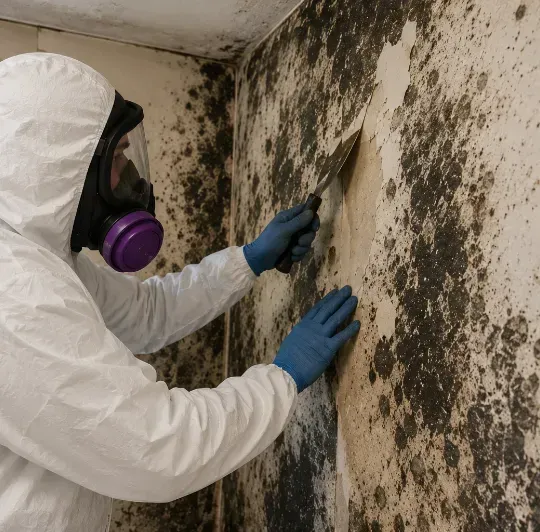
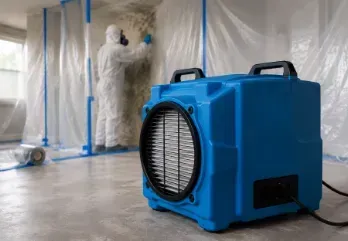
During remediation, they must follow detailed procedures, including containment, removal, and verification. These steps are essential to ensure that mold is not only removed but also prevented from spreading.
This structured approach reduces health risks and ensures long-term results. It also provides the documentation needed for legal and real estate purposes.
Risks of Hiring Unlicensed Contractors
Hiring an unlicensed contractor may seem like a cost-saving decision, but it often leads to bigger problems later.
- Poor quality remediation
- Lack of proper documentation
- Legal liability issues
- Mold returning after treatment
In some cases, unlicensed work can make the problem worse. Without proper containment, mold spores can spread to other areas of the property.
For investors, this can lead to higher repair costs and project delays. For legal professionals, it can create compliance issues and weaken documentation.
How Texas Mold Laws Affect Property Transactions
Mold issues play a major role in real estate transactions. Buyers want assurance that the property is safe and free from environmental risks.
If remediation does not follow Texas mold remediation laws, the transaction may be delayed or even canceled. Buyers may request additional inspections or ask for price reductions.
Proper documentation from a licensed contractor helps build trust. It shows that the issue has been handled correctly and that the property meets required standards. This is why many investors and agents prefer working only with certified professionals.
Compliance and Documentation: Why It Matters
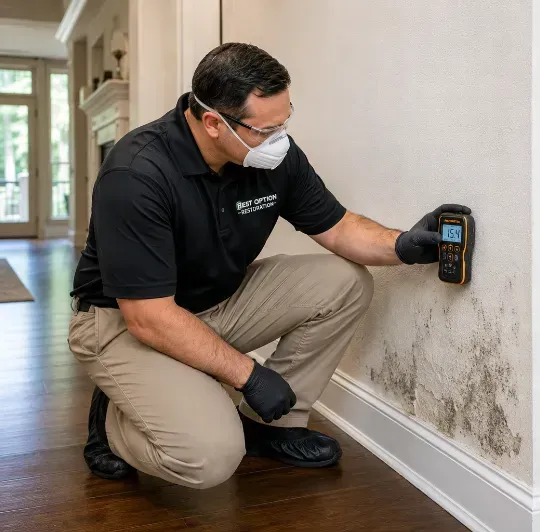
Documentation is one of the most important parts of mold remediation. It provides proof that the work was completed properly and according to legal requirements.
Licensed contractors provide:
- Detailed reports
- Clearance documentation
- Proof of compliance
These documents are essential for legal protection and future transactions. They can be used in disputes, insurance claims, or property sales. Without proper documentation, it becomes difficult to prove that the mold issue has been resolved.
How to Choose the Right Mold Remediation Professional
Choosing the right professional is a critical step. Not all contractors offer the same level of expertise or compliance.
You should always verify their credentials before hiring.
Look for:
- Valid TDLR License
- Experience with similar projects
- Clear documentation process
- Understanding of legal requirements
It is also helpful to ask questions about their process and how they handle compliance. A reliable contractor will be transparent and willing to explain their approach.
If you are unsure, you can always reach out through our contact page to connect with professionals who meet all licensed mold contractor requirements and follow Texas regulations.
Future Outlook: What to Expect in 2026
As awareness about mold and indoor air quality continues to grow, enforcement of Texas mold remediation laws is expected to become stricter.
There will likely be more focus on:
- Proper certification
- Accurate documentation
- Compliance with safety standards
This means that unlicensed work will become riskier, and licensed professionals will be in higher demand. For investors and legal professionals, staying informed about these changes will be important for making smart decisions.
Conclusion: Why Following the Law Protects You
Mold remediation in Texas is not just a service; it is a regulated process designed to protect health, property, and legal interests.
Understanding Texas mold remediation laws helps investors and legal professionals make informed decisions. It ensures that mold issues are handled correctly and that all documentation is in place.
Choosing a licensed contractor over an unlicensed one reduces risk, improves outcomes, and protects long-term value.
If you are dealing with a mold issue or need guidance, you can connect through our contact page to ensure the process follows all legal requirements.
FAQs (Frequently Asked Questions)
1. What are Texas mold remediation laws?
Texas mold remediation laws are regulations set by TDLR that control how mold is assessed and removed, ensuring safety, proper procedures, and legal compliance for property owners and professionals.
2. What is a TDLR License?
A TDLR License is proof that a professional or company is legally authorized to perform mold remediation work in Texas and meets all required training, safety, and compliance standards.
3. Why should I hire a licensed mold contractor?
Hiring a licensed contractor ensures compliance with licensed mold contractor requirements, proper documentation, and safe remediation, reducing legal risks and improving long-term results.
4. Can unlicensed contractors perform mold remediation?
Unlicensed contractors may offer services, but they often do not meet Texas mold remediation laws, which can lead to legal issues, poor results, and lack of valid documentation.
5. How do mold laws affect real estate transactions?
Mold laws ensure proper remediation and documentation, which helps build trust in property transactions and prevents delays or disputes during buying or selling processes.
Best Option Restoration