Imagine walking through your home or commercial property and knowing there could be hidden moisture behind the walls, but no visible signs of damage yet. No stains. No smell. No obvious leak.
That is exactly why thermal imaging mold detection is becoming one of the most valuable technologies in North Houston.
Traditional mold inspections often depend on visible signs of damage. But mold usually starts where people cannot see it. Moisture can build inside walls, ceilings, insulation, or flooring long before mold becomes visible.
For tech-savvy buyers and insurance adjusters, this creates a challenge. You need accurate information without tearing apart the property unnecessarily. This is where modern tools like infrared cameras and moisture mapping systems make a major difference.
Today, advanced inspection technology helps professionals identify hidden moisture quickly, accurately, and with minimal disruption. In humid areas like North Houston and Montgomery, these tools are becoming essential for early detection and faster remediation planning.
Why Hidden Moisture Is a Serious Problem in Texas
North Houston properties deal with constant humidity, temperature changes, and storm-related moisture. Even a small leak can create conditions where mold grows silently for weeks or months.
Many property owners only discover mold after:
- Paint begins bubbling
- Musty odors appear
- Drywall becomes soft
- Allergy symptoms increase
By that point, moisture may have already spread deep into building materials.
This is why thermal imaging mold detection has become so important. Instead of waiting for visible damage, inspectors can identify unusual temperature patterns that often signal trapped moisture.
This early detection helps reduce:
- Structural damage
- Mold growth spread
- Insurance claim costs
- Expensive demolition work
For buyers and adjusters, catching the issue early can save significant time and money.
What Is Thermal Imaging Mold Detection?
Thermal imaging mold detection uses infrared camera technology to locate temperature differences inside a building.
When moisture enters walls, ceilings, or floors, it changes surface temperatures. Infrared cameras detect these temperature variations and display them as thermal images.
The technology itself does not directly “see mold.” Instead, it helps identify areas where moisture may exist, which are the same environments where mold often develops.
This process allows inspectors to:
- Detect hidden leaks
- Identify moisture intrusion
- Locate possible mold-prone areas
- Reduce unnecessary wall removal
In many cases, thermal imaging helps inspectors find issues that would otherwise remain hidden until serious damage appears.
How Infrared Cameras Work During Inspections
Infrared cameras measure heat patterns across surfaces. Dry materials and wet materials respond differently to temperature changes.
For example:
- Wet drywall often appears cooler than dry drywall
- Hidden leaks create temperature inconsistencies
- Trapped moisture changes heat retention patterns
This makes infrared leak detection Montgomery inspections extremely useful in both residential and commercial properties.
Inspectors slowly scan walls, ceilings, attics, and flooring using specialized cameras. If suspicious thermal patterns appear, additional moisture testing may be performed to confirm the findings.
The process is fast, non-invasive, and highly detailed.
Why Thermal Imaging Is Better Than Visual Inspection Alone
Visual inspections are still important, but they have limitations.
Mold often grows behind:
- Drywall
- Cabinets
- Roofing materials
- HVAC systems
- Insulation
A standard inspection may miss these hidden problems completely.
Thermal imaging adds another layer of accuracy by helping inspectors identify moisture before visible damage occurs.
This technology is especially valuable for:
- Insurance investigations
- Property transactions
- Commercial inspections
- Water damage assessments
For buyers, this provides peace of mind before purchasing a property. For insurance adjusters, it creates stronger documentation and more accurate damage evaluation.
The Role of Moisture Mapping Technology
One of the most advanced parts of modern inspections is moisture mapping technology.
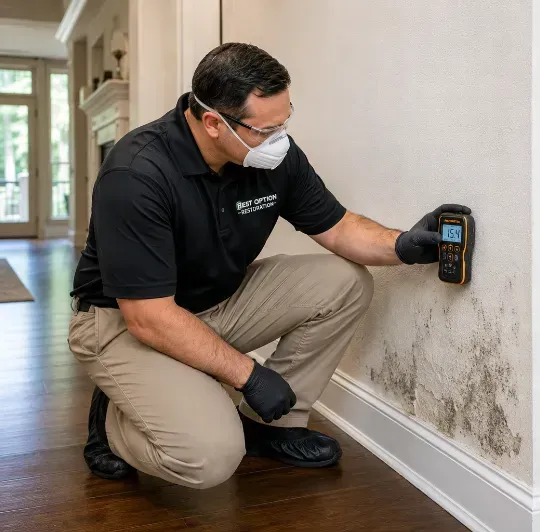
Moisture mapping combines thermal imaging with hygrometers and moisture meters to better understand where water intrusion exists inside a structure. While thermal imaging identifies temperature differences that may indicate hidden moisture, moisture meters are used to confirm actual moisture levels within materials.
Instead of simply identifying one wet spot, inspectors can map:
- How far moisture has spread
- Which materials are affected
- Areas with highest saturation levels
- Potential mold growth zones
This helps create a more strategic remediation plan. In large commercial properties, moisture mapping technology is especially useful because water often spreads farther than expected.
Why Insurance Adjusters Use Thermal Imaging
Insurance companies increasingly rely on thermal imaging during claims investigations.
This is because hidden moisture damage is difficult to evaluate using visual inspection alone.
Thermal imaging helps adjusters:
- Verify water intrusion claims
- Document affected areas
- Estimate remediation scope
- Reduce disputes over damage extent
For insurance professionals, accurate documentation matters. Thermal images provide visual proof that supports reports and claim decisions.
In many North Houston properties, this technology helps determine whether water damage is recent, active, or connected to previous issues.
How Thermal Imaging Helps Home Buyers
Tech-savvy buyers are becoming more cautious about hidden property issues.
A home may look perfect during a showing, but moisture problems behind walls can create future repair costs and mold concerns.
This is why many buyers now request:
- Infrared inspections
- Moisture testing
- Mold assessments
Using thermal imaging mold detection before purchasing a property helps buyers make more informed decisions.
Instead of relying only on visible conditions, they gain insight into what may be happening behind surfaces. This is especially important in humid Texas environments where hidden moisture problems are common.
Common Areas Where Hidden Moisture Is Found
Moisture problems can develop almost anywhere, but some areas are more vulnerable than others.
Inspectors commonly find hidden moisture in:
- Attics with poor ventilation
- Around roof leaks
- Beneath windows
- Inside HVAC systems
- Behind bathroom walls
- Under flooring after flooding
These hidden conditions often remain unnoticed until mold growth becomes widespread. That is why early detection technology is so valuable.
The Connection Between Moisture and Mold Growth
Mold needs three main conditions to grow:
- Moisture
- Organic material
- Heat
Buildings naturally contain materials like wood, drywall, and insulation, which means moisture and temperature become major factors in mold development.
In many cases, mold can begin growing within 24 to 48 hours after water intrusion occurs. The warmer the environment, the faster mold can spread. This makes rapid moisture detection extremely important.
Using infrared leak detection Montgomery technology allows inspectors to identify hidden moisture before major mold colonies develop. The earlier the issue is discovered, the easier and less expensive remediation usually becomes.
How Thermal Imaging Supports Mold Remediation
Thermal imaging is not only useful during inspections. It also helps during the remediation process itself.
Professionals use thermal imaging to:
- Confirm moisture sources
- Monitor drying progress
- Ensure affected materials are identified
- Verify that moisture levels return to normal
This improves the overall accuracy of remediation work.
Without proper moisture detection, some damp areas may remain untreated, increasing the chance of mold returning later.
Why North Houston Properties Benefit From This Technology
The climate in North Houston creates ongoing moisture challenges. Humidity, heavy rain, and storm activity all increase the risk of hidden water intrusion.
Many older homes also have:
- Aging roofs
- Outdated plumbing
- Poor attic ventilation
- Insufficient insulation
These conditions make moisture detection technology even more valuable. Properties in Montgomery and surrounding areas often benefit from routine infrared inspections, especially after storms or water damage events.
Choosing the Right Inspection Professional
Not every inspector uses advanced technology correctly. Experience matters when interpreting thermal images.
A trained professional understands:
- Building science
- Moisture behavior
- Thermal pattern analysis
- Mold risk assessment
This ensures the findings are accurate and meaningful.
If you are dealing with unexplained moisture issues or preparing for a property purchase, you can connect through our contact page to work with professionals experienced in thermal imaging mold detection and moisture mapping technology.
The Future of Mold Detection Technology
Inspection technology continues to evolve quickly.
Modern systems now combine:
- Thermal imaging
- Digital moisture meters
- Air quality testing
- Data reporting software
This allows inspections to become faster, more accurate, and easier to document. As awareness grows around indoor air quality and hidden moisture damage, advanced detection methods will likely become standard in both residential and commercial property evaluations.
Conclusion: Why Early Detection Matters
Hidden moisture can create serious mold problems long before visible damage appears. In humid regions like North Houston, early detection is one of the best ways to protect property value and reduce long-term repair costs.
Using thermal imaging mold detection technology gives buyers, property owners, and insurance professionals a clearer understanding of what is happening behind walls and ceilings.
Instead of waiting for mold to become visible, infrared inspections and moisture mapping help identify problems early, improve remediation planning, and reduce unnecessary damage.
If you suspect hidden moisture or want a more advanced property inspection, you can connect through our contact page to learn more about infrared leak detection Montgomery services and modern moisture detection solutions.
FAQs (Frequently Asked Questions)
1. What is thermal imaging mold detection?
Thermal imaging mold detection uses infrared cameras to locate hidden moisture behind walls, ceilings, and flooring where mold growth may develop before visible signs appear.
2. Can infrared cameras actually see mold?
Infrared cameras do not directly see mold. They detect temperature differences caused by moisture, which helps inspectors identify areas where mold may be growing.
3. What is infrared leak detection in Montgomery?
Infrared leak detection Montgomery inspections use thermal imaging technology to locate hidden water leaks and moisture intrusion without opening walls or damaging property materials.
4. Why is moisture mapping technology important?
Moisture mapping technology helps inspectors track how far water has spread inside a structure, allowing more accurate remediation planning and reducing hidden moisture risks.
5. Should buyers request thermal imaging during inspections?
Yes, thermal imaging inspections help buyers identify hidden moisture problems early, especially in humid areas like North Houston where mold risks are higher.
Best Option Restoration