Have you recently discovered mold in your home or business and started searching for solutions? If so, you have probably come across two terms that seem almost identical: mold remediation and mold removal.
At first glance, many property owners assume they mean the same thing. After all, both services deal with mold problems. However, there are important differences between the two. Understanding those differences can help you make a smarter decision, protect your property, and avoid spending money on the wrong solution.
This is where understanding mold remediation vs mold removal becomes important. While both services address mold issues, they focus on different goals and may be appropriate for different situations.
For homeowners, property managers, business owners, and real estate professionals, knowing which service is needed can save time, reduce future risks, and improve indoor air quality. Before hiring a contractor, it helps to understand what each service involves and how it addresses mold problems.
Why Mold Problems Should Never Be Ignored
Mold is more than just an unpleasant stain on a wall or ceiling. It is a living organism that thrives in moist environments and can spread quickly when conditions are right.
Many mold problems begin after water damage, plumbing leaks, roof leaks, flooding, or excessive indoor humidity. Once mold starts growing, it releases microscopic spores into the air. These spores can travel throughout a property and settle in new locations.
Over time, mold growth may lead to:
- Unpleasant odors
- Damage to building materials
- Reduced indoor air quality
- Allergy-related symptoms
- Increased repair costs
The longer mold remains untreated, the more extensive the problem can become. This is why early action is important. The first step is understanding whether you need professional mold removal or a more comprehensive remediation process.
What Is Professional Mold Removal?
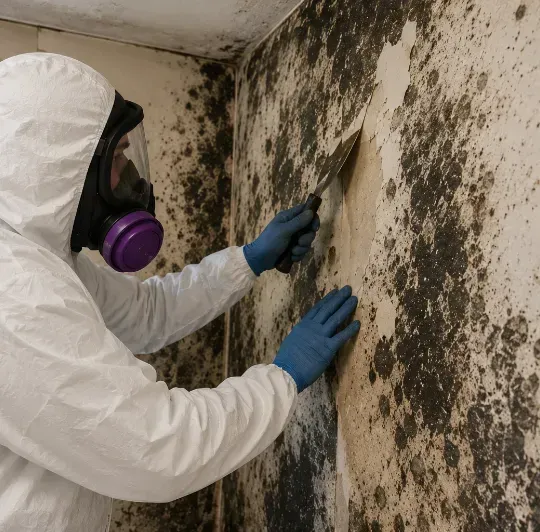
Professional mold removal focuses primarily on eliminating visible mold contamination from affected surfaces and materials.
When people see mold growing on drywall, ceilings, flooring, cabinets, or other surfaces, their immediate goal is usually to remove what they can see. Mold removal services are designed to address that visible contamination.
Depending on the severity of the issue, removal may involve cleaning affected surfaces, removing contaminated materials, or disposing of items that cannot be safely restored.
The goal is straightforward: eliminate existing mold growth from the affected area.
However, mold removal typically focuses on the mold itself rather than the conditions that caused it to develop.
For example, if mold grows because of a hidden plumbing leak, simply removing the mold may not solve the problem. If the leak remains, moisture continues to exist and mold may eventually return.
This is why many professionals view mold removal as only one part of a larger solution rather than a complete answer to every mold problem.
What Are Professional Mold Remediation Services?
Unlike basic removal, professional mold remediation services take a broader and more comprehensive approach.
Remediation is not only concerned with removing mold. It focuses on identifying why mold developed, correcting contributing conditions, and reducing the likelihood of future growth.
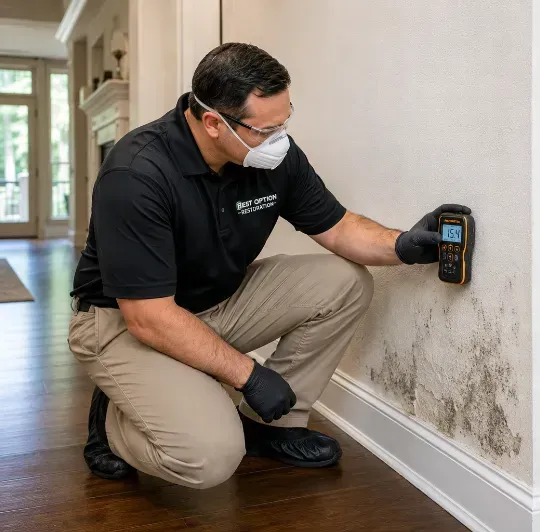
A remediation project often begins with a detailed inspection. Specialists evaluate moisture sources, affected materials, air quality concerns, and the extent of contamination.
After identifying the cause, a remediation plan is developed to address both the mold and the conditions supporting it.
This process may include:
- Identifying moisture sources
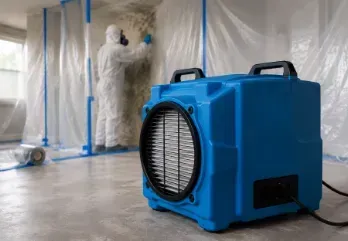
- Containing affected areas
- Using air filtration systems
- Removing contaminated materials
- Drying affected structures
- Monitoring moisture levels
- Verifying successful cleanup
The purpose of remediation is to create a healthier indoor environment while reducing the chance of recurring mold problems.
For larger or recurring mold issues, remediation is often the preferred long-term solution.
Understanding the Main Difference Between Mold Remediation and Mold Removal
The biggest difference in the discussion of mold remediation vs mold removal comes down to scope.
Mold removal focuses on eliminating existing mold contamination. Remediation focuses on both removing mold and addressing the conditions that allowed it to grow.
Think of it this way.
If mold is the symptom, moisture is usually the cause.
Removal addresses the symptom. Remediation addresses both the symptom and the cause.
This distinction becomes important when mold keeps returning despite repeated cleaning efforts. In those situations, simply removing visible mold may not provide lasting results.
A remediation strategy is often more effective because it seeks to identify and correct the underlying moisture problem.
Understanding this difference helps property owners choose the most appropriate service for their specific situation.
When Mold Removal May Be the Right Choice
Not every mold problem requires a large remediation project.
In some situations, professional mold removal may be appropriate, particularly when contamination is limited and the source of moisture has already been addressed.
Small and isolated mold problems are often easier to manage when:
- The affected area is limited
- Moisture issues have been corrected
- Mold has not spread extensively
- No recurring growth has been observed
For example, if a small leak occurred under a sink and was quickly repaired, mold removal may be sufficient if contamination remains minimal.
The key factor is whether the underlying moisture source has been properly addressed. Without solving the moisture issue, even successful mold removal may only provide temporary results.
Every mold situation is different. In some cases, what appears to be a small issue may actually indicate a larger moisture problem hidden behind walls or flooring. Professionals at Best Option Restoration of North Houston often recommend a thorough inspection first to determine whether mold removal alone is enough or if a more comprehensive solution is needed.
When Mold Remediation Is Usually Recommended
There are many situations where professional mold remediation services provide a more complete solution.
Remediation is often recommended when mold contamination is widespread, recurring, or connected to ongoing moisture issues.
Common situations where remediation may be necessary include:
- Water damage from flooding
- Roof leaks affecting multiple areas
- Hidden moisture inside walls
- HVAC-related contamination
- Persistent musty odors
- Repeated mold growth
These situations often involve conditions that extend beyond visible mold.
A remediation specialist evaluates the entire environment rather than focusing only on surface contamination. This helps ensure that hidden problems are identified before they create additional damage.
For many property owners, this comprehensive approach provides greater peace of mind.
How Mold Inspections Help Determine the Right Service
One reason many people struggle with mold remediation vs mold removal is that they do not fully understand the extent of the problem.
Visible mold only tells part of the story.
Professional inspections help determine:
- Where mold is present
- Whether moisture is still active
- How far contamination has spread
- Which materials are affected
- Whether remediation is necessary
In some cases, what appears to be a minor mold issue may actually indicate hidden moisture behind walls or ceilings.
A thorough assessment helps ensure that the chosen solution matches the actual scope of the problem.
This prevents property owners from paying for services that may not fully resolve the issue.
How Mold Affects Property Value
Mold concerns can impact both residential and commercial properties.
Potential buyers often view mold as a warning sign because it may indicate water damage, poor maintenance, or indoor air quality concerns.
Properties with unresolved mold issues may experience:
- Reduced buyer interest
- Lower offers
- Inspection delays
- Additional negotiations
- Financing complications
Addressing mold properly can help protect property value and improve buyer confidence.
Whether through professional mold removal or a complete remediation process, proper documentation and corrective action can make a significant difference during property transactions.
The Importance of Addressing Moisture Sources
One of the most overlooked aspects of mold control is moisture management.
Mold needs three things to grow:
- Moisture
- Organic material
- Warm temperatures
Once moisture becomes available, mold can begin growing within 24 to 48 hours under favorable conditions.
This is why remediation specialists spend significant time identifying water sources and moisture conditions.
Without controlling moisture, even the best cleanup efforts may not provide lasting results.
Addressing leaks, humidity issues, ventilation problems, and water intrusion is often the key to long-term mold prevention.
Choosing the Right Mold Professional
Selecting the right contractor is an important part of resolving mold issues successfully.
Experience, training, inspection methods, and communication all matter.
When evaluating providers, consider:
- Experience handling similar projects
- Inspection and assessment process
- Moisture detection capabilities
- Containment procedures
- Documentation practices
A qualified professional should explain the problem clearly and recommend the most appropriate solution rather than automatically recommending the most expensive service.
If you are unsure whether your situation requires removal or remediation, you can explore our contact page to connect with professionals who can evaluate the issue and recommend the right approach for your property.
Why Making the Right Choice Matters
Choosing between mold removal and remediation is not simply about cost. It is about selecting a solution that addresses the actual problem.
If contamination is limited and moisture issues have been corrected, removal may be appropriate.
If mold is widespread, recurring, or connected to ongoing water intrusion, remediation often provides a more complete solution.
Understanding the differences helps property owners make informed decisions rather than relying on assumptions or temporary fixes.
A properly addressed mold problem can improve indoor air quality, protect building materials, and reduce future repair expenses.
Conclusion: Understanding Mold Remediation vs Mold Removal
Understanding mold remediation vs mold removal helps property owners choose the right solution based on the severity of the problem and the conditions causing it.
While professional mold removal focuses on eliminating visible contamination, professional mold remediation services take a broader approach by addressing both the mold and the moisture conditions that support growth.
The best choice depends on the specific situation. Small, isolated issues may only require removal, while larger or recurring problems often benefit from a comprehensive remediation strategy.
If you are dealing with mold concerns and are unsure which service is right for your property, consider connecting through our contact page to discuss your situation with experienced professionals who can help determine the most effective solution.
FAQs (Frequently Asked Questions)
1. What is the difference between mold remediation and mold removal?
The primary difference is that mold removal focuses on eliminating visible mold, while mold remediation addresses both the mold and the underlying moisture conditions that caused the growth.
2. Is mold remediation better than mold removal?
Neither service is automatically better. The right choice depends on the extent of contamination and whether moisture issues are still present. Larger or recurring problems often benefit from remediation.
3. When should I hire professional mold remediation services?
Professional mold remediation services are often recommended when mold is widespread, repeatedly returns, follows water damage, or may involve hidden moisture within walls or structural materials.
4. Can professional mold removal prevent mold from coming back?
Professional mold removal can eliminate existing contamination, but mold may return if moisture sources are not identified and corrected.
5. How quickly can mold grow after water damage?
Under favorable conditions, mold can begin growing within 24 to 48 hours after moisture becomes present, making rapid response important.
6. How do professionals determine whether remediation is needed?
Professionals perform inspections, evaluate moisture levels, identify contamination areas, and determine whether underlying conditions require a full remediation strategy or simple removal.
Best Option Restoration