Have you noticed a musty smell in your home that never seems to go away? Maybe you've cleaned the same dark spot on a wall more than once, or perhaps your family seems to experience allergy symptoms whenever they're indoors. Many homeowners assume these issues are minor, but they can often point to a larger mold problem hiding behind walls, under flooring, or inside ventilation systems.
In Montgomery, Texas, mold is a common concern because the area's warm temperatures and high humidity create ideal conditions for growth. What starts as a small moisture issue can quickly turn into a much larger problem that affects indoor air quality, property value, and even the health of those living inside the home.
Understanding the warning signs can help you determine when it's time to seek professional mold remediation services in Montgomery homeowners trust. The sooner mold is identified and addressed, the easier it is to prevent costly repairs and extensive contamination.
Why Mold Problems Are Common in Montgomery, TX
Montgomery experiences long periods of humidity throughout the year. Combined with seasonal storms, plumbing issues, roof leaks, and everyday moisture buildup, these conditions make homes especially vulnerable to mold growth.
Mold only needs a few basic conditions to thrive. When moisture comes into contact with organic materials such as drywall, wood, insulation, or carpeting, mold can begin growing surprisingly quickly. Many homeowners are unaware that mold can start developing within 24 to 48 hours after a water intrusion event.
Because mold often develops in hidden spaces, it may continue spreading long before visible signs appear. This is one reason why professional mold remediation services in Montgomery property owners rely on are often called only after the problem has already expanded beyond what is visible on the surface.
A Persistent Musty Odor That Never Goes Away
One of the earliest signs of mold is a musty smell that lingers inside the home. Many people describe the odor as damp, earthy, or similar to wet cardboard.
Even if you cannot see mold, the smell alone can indicate hidden growth. Mold frequently develops behind drywall, beneath flooring materials, inside attics, or within HVAC systems where it remains out of sight.
Homeowners often attempt to eliminate the smell with air fresheners or deep cleaning, but these solutions rarely address the actual source. If the odor consistently returns, there is a good chance moisture and mold are present somewhere in the structure.
A qualified mold remediation specialist can investigate the source of the odor and determine whether hidden contamination exists.
Visible Mold Growth Inside the Property
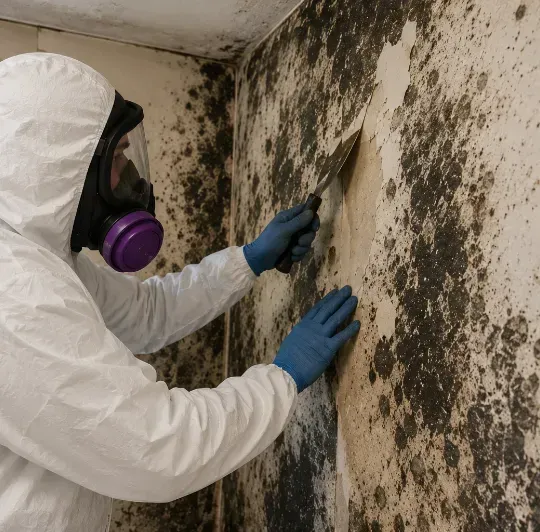
Visible mold is one of the most obvious signs that professional help may be necessary. Mold can appear in different colors, including black, green, white, brown, or gray. Sometimes it appears as small spots, while other times it spreads across larger areas.
The mistake many homeowners make is assuming that visible mold represents the entire problem. In reality, the mold you can see is often only a small portion of what exists behind walls or beneath surfaces.
Cleaning visible mold may improve appearance temporarily, but if the moisture source remains unresolved, the mold will likely return. This recurring growth is often a clear indication that professional mold remediation contractors should be involved.
Allergy Symptoms That Get Worse Indoors
Many people are surprised to learn that mold can significantly impact indoor air quality. Mold releases microscopic spores into the air. Once airborne, these spores can trigger symptoms such as sneezing, coughing, congestion, itchy eyes, headaches, and throat irritation.
A common pattern occurs when symptoms improve after leaving the house but return shortly after coming back inside. This often indicates that something within the indoor environment may be contributing to the problem.
Families sometimes spend months treating what they believe are seasonal allergies without realizing hidden mold may be playing a role. If multiple people in the home experience similar symptoms, it may be worth investigating the possibility of mold growth.
Recent Water Damage in the Home
Water damage and mold growth are closely connected.
Whether the moisture comes from a leaking roof, broken pipe, overflowing appliance, storm damage, or flooding event, any water intrusion creates an opportunity for mold to develop.
Many homeowners believe that once surfaces appear dry, the danger has passed. Unfortunately, moisture often remains trapped inside walls, insulation, subflooring, and other building materials.
This hidden moisture can continue feeding mold growth long after the visible water has disappeared. If your home has recently experienced water damage, a professional inspection can help determine whether mold has begun developing in concealed areas.
Peeling Paint, Bubbling Walls, or Water Stains
Moisture problems often reveal themselves through changes in building materials.
You may notice paint beginning to bubble, drywall becoming soft, wallpaper peeling away, or stains appearing on walls and ceilings. While these signs do not automatically mean mold is present, they frequently indicate excessive moisture.
Since moisture is one of the primary requirements for mold growth, these warning signs should never be ignored. Even a small stain can point to a hidden leak that has been developing for months.
Professional inspectors can determine whether the issue is simply cosmetic or if mold remediation is necessary.
Mold Continues Returning After Cleaning
One of the strongest indicators that professional intervention is needed is recurring mold.
Many homeowners successfully clean mold from a visible surface only to see it reappear a few weeks later. This cycle often happens because the actual source of the problem remains hidden.
Mold frequently grows inside wall cavities, beneath flooring, or in areas that standard cleaning cannot reach. Surface treatments may remove visible growth, but they rarely eliminate contamination hidden deeper within the structure.
Professional mold remediation services in Montgomery residents rely on focus on both mold removal and moisture control, helping prevent future growth.
Excess Humidity Throughout the Home
High humidity levels can create ideal conditions for mold development even when no obvious leak exists.
Homes with excessive humidity often feel damp or stuffy. You may notice condensation forming on windows, moisture collecting on surfaces, or rooms feeling consistently uncomfortable.
Over time, elevated humidity can encourage mold growth in attics, closets, crawl spaces, and other low-ventilation areas.
A professional mold remediation specialist can identify humidity issues and recommend solutions that help create a healthier indoor environment.
Problems Within the HVAC System
Your heating and cooling system affects nearly every part of your indoor environment.
When moisture accumulates inside air ducts, drain pans, coils, or other HVAC components, mold can begin growing within the system. Once that happens, spores may be distributed throughout the home every time the system operates.
Homeowners often notice musty odors coming from vents or experience worsening allergy symptoms without realizing the HVAC system may be involved.
Because HVAC-related mold contamination can affect multiple rooms simultaneously, professional evaluation is often recommended.
Discoloration on Walls and Ceilings
Water stains, dark patches, and unusual discoloration frequently indicate underlying moisture issues.
Some stains develop after a single leak, while others continue expanding because moisture remains active behind the surface.
Although discoloration alone does not confirm mold growth, it often signals conditions that support mold development. Any unexplained staining should be investigated to determine whether moisture or mold is present.
Buying or Selling a Property
Real estate transactions often uncover mold problems that homeowners never knew existed. Buyers today are more aware of indoor air quality concerns and frequently request inspections before finalizing a purchase. Likewise, sellers benefit from identifying and addressing mold concerns before listing a property.
A professional inspection can provide valuable information about the condition of the property and help prevent surprises during negotiations.
If mold is discovered, experienced mold remediation contractors can help ensure the issue is addressed properly before it affects the transaction.
Why DIY Mold Removal Often Fails
Many homeowners attempt to solve mold problems using household cleaners or over-the-counter products. While these solutions may remove surface discoloration, they rarely address the underlying moisture issue.
Mold is often hidden inside building materials where cleaning products cannot reach. In some situations, improper cleaning can actually spread spores to other parts of the property.
This is why professional remediation focuses on identifying the moisture source, containing affected areas, removing contaminated materials when necessary, and preventing future growth.
What a Mold Remediation Specialist Does
A professional mold remediation specialist follows a structured process designed to address mold safely and effectively.
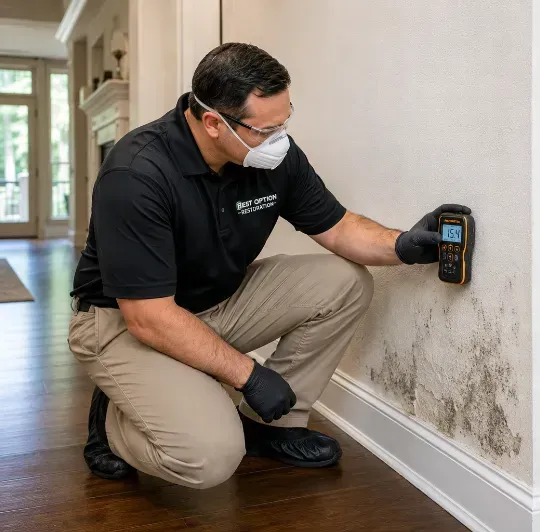
The process generally begins with a detailed inspection to identify affected areas and determine the source of moisture. Specialized equipment may be used to locate hidden moisture inside walls, ceilings, and flooring.
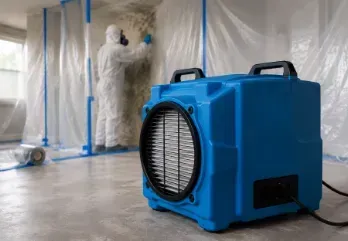
Once the problem is identified, containment procedures help prevent mold spores from spreading to unaffected areas. Contaminated materials are addressed appropriately, affected surfaces are cleaned, and moisture issues are corrected.
The goal is not simply to remove visible mold but to create conditions that discourage future growth.
When Should You Call a Professional?
You should strongly consider professional assistance if you notice any of the following:
- Mold continues returning after cleaning
- Persistent musty odors are present
- Water damage recently occurred
- Allergy symptoms worsen indoors
- Visible mold is spreading
- Moisture sources cannot be identified
Conclusion
Mold problems rarely resolve themselves. In many cases, what appears to be a small issue on the surface is actually a sign of a larger moisture problem hidden within the property.
Recognizing the warning signs early can help homeowners avoid expensive repairs, improve indoor air quality, and protect the long-term value of their property.
Whether you are dealing with recurring mold, musty odors, water damage, or unexplained allergy symptoms, professional mold remediation services in Montgomery can help identify the cause and provide an effective solution.
If you suspect mold may be affecting your home or business, you can connect through our contact page to learn more about your options and take the first step toward a healthier indoor environment.
FAQs (Frequently Asked Questions)
1. What are the signs that I need mold remediation services in Montgomery?
Common signs include visible mold growth, musty odors, recurring mold after cleaning, water damage, elevated indoor humidity, and allergy symptoms that worsen indoors.
2. When should I hire a mold remediation specialist?
You should contact a mold remediation specialist when mold covers a large area, repeatedly returns, follows water damage, or may be affecting indoor air quality.
3. Can mold grow after water damage?
Yes. Mold can begin growing within 24 to 48 hours after water damage if moisture remains trapped inside building materials.
4. What do mold remediation contractors do?
Mold remediation contractors inspect affected areas, identify moisture sources, contain contamination, remove mold safely, and help prevent future growth.
5. Is professional mold remediation worth it?
Professional remediation addresses both mold and the moisture conditions causing it, helping protect indoor air quality, property value, and long-term structural health.
Best Option Restoration