Seeing mold on a wall, ceiling, bathroom surface, or other part of your home can be frustrating. One of the first solutions many homeowners consider is bleach. It is inexpensive, easy to find, and widely known as a strong disinfectant.
But does bleach actually kill mold permanently?
Usually, no. Bleach may kill or remove some mold on certain hard, non-porous surfaces, but it does not guarantee that mold will stay gone. If moisture remains behind the surface or inside porous materials, mold can return.
This is why effective bleach mold removal is not simply about spraying a product on visible growth. The moisture problem, affected materials, and extent of contamination also need to be considered.
Here is what homeowners should know before using bleach to deal with mold.
Can Bleach Kill Mold?
Bleach can kill some mold on hard, non-porous surfaces when used correctly. For example, it may be useful for certain surfaces such as tile, glass, or other materials that do not absorb moisture easily.
However, mold can be more difficult to address when it grows on porous materials. Drywall, wood, insulation, carpet, and other materials can absorb moisture and provide spaces where mold can grow below the surface.
Simply applying bleach to the visible area may not reach all of the mold.
Another problem is that killing mold does not necessarily solve the reason it developed in the first place. If a leaking pipe, roof leak, flooding, condensation, or high humidity continues to create moisture, mold can grow again.
So, while bleach may affect visible mold, it should not be considered a permanent mold removal solution.
Why Doesn't Bleach Remove Mold Permanently?
The biggest reason mold returns is usually moisture.
Mold needs moisture to grow. If the underlying water or humidity problem is not corrected, cleaning the visible growth only addresses part of the situation.
For example, imagine a bathroom wall has mold because of repeated condensation. You spray bleach on the surface and the dark spots disappear. However, if the bathroom continues to stay damp with poor ventilation, the conditions that allowed mold to grow are still present.
The same issue can happen after a plumbing leak. Water may enter drywall and remain trapped inside the wall. Cleaning the outside surface does not necessarily remove moisture or hidden contamination inside the material.
This is why a complete approach to mold removal focuses on both the mold and the conditions that allowed it to develop.
Can Bleach Kill Mold on Drywall?
Bleach is generally not a reliable solution for mold growing on drywall.
Drywall is porous, meaning it can absorb water. When mold grows on or within drywall, the contamination may extend beyond what you can see on the surface.
Spraying bleach on the visible area may lighten the discoloration without addressing mold or moisture below the surface. It can also damage the material.
The appropriate response depends on the extent of the contamination and the condition of the drywall. In some situations, affected materials may need to be removed and replaced rather than simply cleaned.
This is one reason professional mold removal can be helpful when mold is growing on walls, ceilings, or other porous building materials.
What Happens When You Use Bleach on Mold?
When bleach is applied to some hard surfaces, it can damage or kill mold on the surface. It can also remove some of the visible discoloration.
However, this does not mean the entire mold problem has been solved.
Mold may remain in cracks, porous materials, hidden areas, or locations that the bleach does not reach. In addition, the moisture source may still be present.
It is also important to remember that bleach is a chemical that should be handled carefully. Mixing bleach with other household cleaning products can create dangerous fumes. Homeowners should always follow the product label and never mix bleach with ammonia, acids, or other incompatible cleaners.
For a larger or hidden mold problem, attempting to treat the area with household chemicals may not be the best approach.
What Are Better Mold Removal Methods?
There is no single method that works for every mold situation. The appropriate mold removal methods depend on the material, amount of growth, moisture source, and location.
For a small amount of surface mold on a suitable hard surface, cleaning may be enough if the moisture problem has also been corrected.
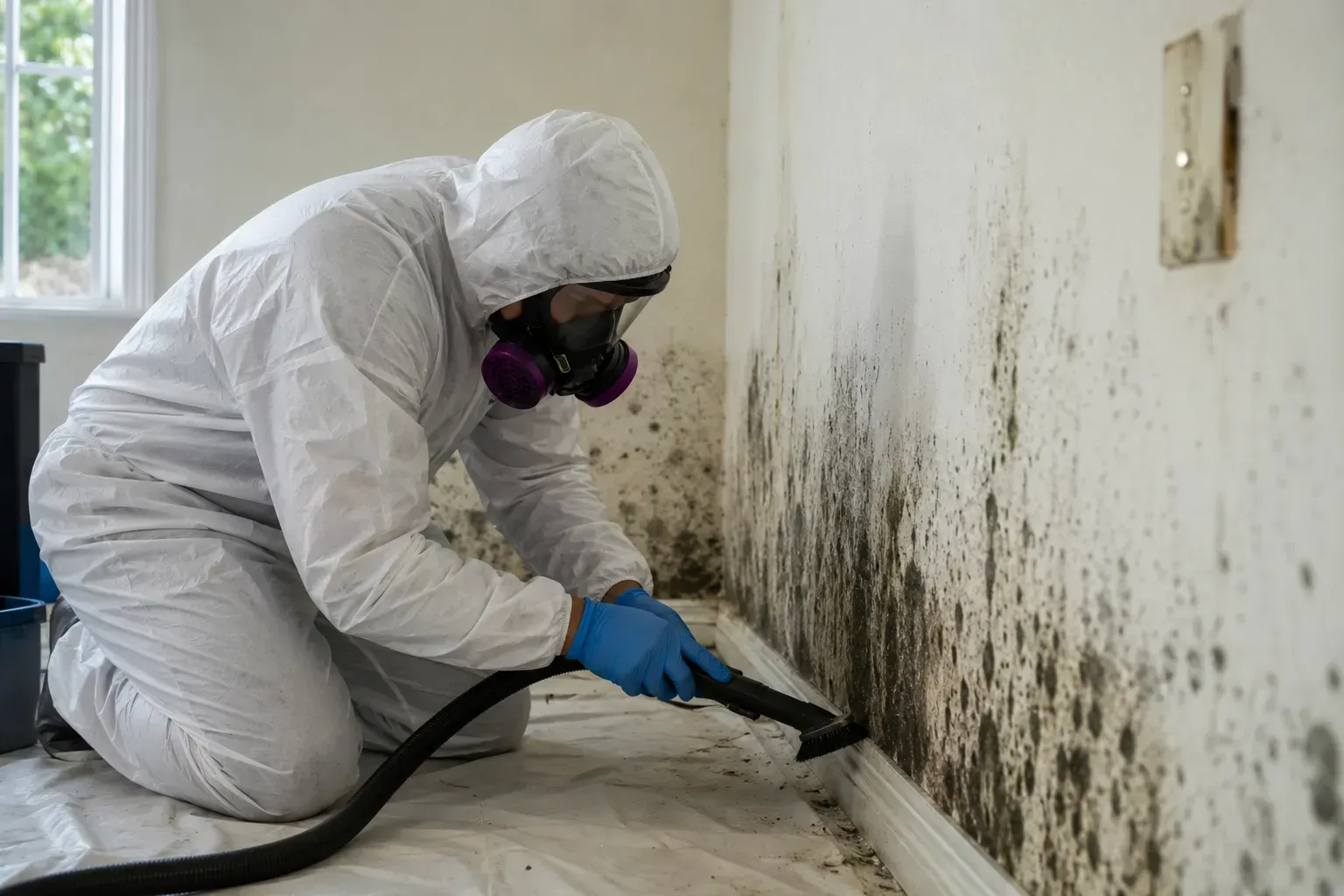
For larger contamination or mold involving porous materials, the process can be more involved. Professionals may inspect the area, identify moisture sources, establish containment when appropriate, remove affected materials, clean restorable surfaces, and dry the affected area.
The goal is not simply to make mold disappear visually. The goal is to address the conditions that allowed it to grow and restore the affected area as safely and effectively as possible.
Why Moisture Control Is More Important Than Bleach
If you want to prevent mold from coming back, controlling moisture is one of the most important steps.
Common moisture sources include:
- Plumbing and roof leaks
- Flooding and water intrusion
- High indoor humidity and condensation
- Poor bathroom or attic ventilation
- HVAC problems
Fixing the moisture source can help prevent new mold growth after the affected area has been properly cleaned or removed.
For example, repairing a leaking pipe before restoring a mold-damaged wall is important. Otherwise, the newly repaired area could become wet again and create another mold problem.
This is why professionals often investigate where the moisture came from before deciding how the mold should be handled.
When Is DIY Mold Cleaning Reasonable?
Not every instance of mold requires extensive professional remediation. A small amount of surface growth on a hard, non-porous material may sometimes be cleaned by a homeowner.
However, caution is important when the mold covers a large area, keeps returning, follows significant water damage, or appears to extend behind walls or ceilings.
You should also be careful if you cannot determine why the area became damp.
Disturbing moldy drywall, insulation, carpet, or other materials can release particles into the air and spread contamination to nearby areas. Opening walls without understanding what is behind them can also make the situation more complicated.
When the problem is larger, recurring, or hidden, professional assessment can provide a clearer path forward.
When Should You Consider Mold Removal Services?
Mold removal services may be appropriate when the problem is beyond simple surface cleaning.
Professional assistance can be especially useful when you notice recurring mold, widespread growth, musty odors, or signs of water damage. It can also help when mold may be growing inside walls, above ceilings, or around insulation.
Professionals can evaluate the affected area and determine what needs to be cleaned, what may need to be removed, and what should be done to address the moisture source.
This approach can be more effective than repeatedly cleaning the same visible spot with bleach.
Does Bleach Make Mold Come Back?
Bleach itself does not cause mold to return. Mold typically comes back because the conditions that support its growth remain.
If moisture is still present, mold can grow again after cleaning. This can make it seem like the bleach did not work, when the larger issue is actually the continuing moisture problem.
For example, if mold develops around a window because of repeated condensation, cleaning the mold without reducing the condensation may only provide a temporary improvement.
The same applies to leaks. If water continues entering the property, mold can continue to develop regardless of how often the surface is cleaned.
Is Professional Mold Removal Better Than Using Bleach?
For small surface mold on appropriate materials, a homeowner may be able to clean the area safely. But bleach is not a replacement for professional remediation when the problem involves extensive contamination, porous materials, hidden growth, or ongoing water damage.
Professional mold removal takes the condition of the building materials and moisture source into account.
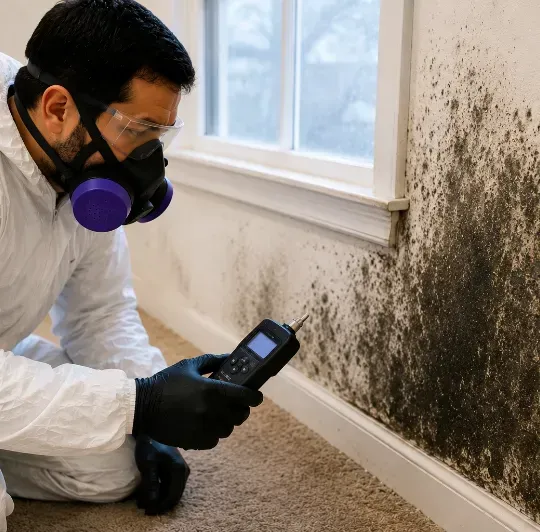
Depending on the situation, the process may include inspection, moisture detection, containment, removal of damaged materials, cleaning, drying, and restoration.
This does not mean every mold problem requires a major remediation project. Instead, the right solution should be based on the actual size and nature of the problem.
How Can You Prevent Mold From Returning?
Preventing mold starts with controlling moisture. After a leak or water event, affected materials should be dried as soon as practical. Areas with repeated condensation may need better ventilation or humidity control.
Homeowners can also watch for water stains, musty odors, peeling paint, bubbling drywall, and other signs that moisture may be present.
If you find mold repeatedly appearing in the same location, do not keep treating the surface without investigating the cause. Recurring growth can be a sign that moisture is entering from behind the surface or that indoor humidity remains too high.
Addressing the source early can help reduce the chance of a larger problem.
Final Thoughts on Bleach Mold Removal
So, does bleach kill mold permanently? No, not in most situations. Bleach can affect mold on some hard, non-porous surfaces, but it does not guarantee permanent removal, especially when mold is growing on porous materials or the moisture source remains unresolved.
Effective bleach mold removal should not be viewed as simply spraying and wiping away visible growth. The source of moisture, affected materials, and extent of contamination all matter.
For Texas homeowners dealing with recurring, widespread, or hidden mold, understanding the appropriate mold removal methods can help you make a more informed decision.
If you have discovered mold in your Texas home, do not wait for the problem to spread. Get in touch today to discuss your concerns and learn how professional mold removal services can help you determine the right next step for your property.
Frequently Asked Questions
1. Does bleach kill mold permanently?
No. Bleach can kill or remove some mold on hard, non-porous surfaces, but it does not guarantee permanent removal. If moisture remains or mold has grown into porous materials, such as drywall or wood, the mold may return.
2. Can bleach remove mold from drywall?
Bleach is not considered a reliable solution for mold growing on drywall because drywall is porous and can absorb moisture. Mold may extend below the surface, where bleach may not reach. Heavily affected drywall may need to be removed and replaced.
3. What is the best way to prevent mold from coming back?
The most important step is controlling the moisture source. Repair leaks, address water damage, reduce excessive humidity, and improve ventilation where needed. Once the moisture problem is corrected, the affected area can be properly cleaned or remediated.
4. When should I hire professional mold removal services?
Consider professional mold removal when mold keeps returning, covers a large area, follows significant water damage, causes persistent musty odors, or may be growing behind walls or ceilings. Professional help is also useful when the source of moisture is difficult to identify.
5. What are safer alternatives to bleach for mold removal?
The appropriate cleaning method depends on the surface and extent of mold growth. Small amounts of surface mold on suitable non-porous materials may be cleaned using appropriate household cleaning products and proper precautions. Larger, recurring, or hidden mold problems should be evaluated by professionals rather than repeatedly treated with bleach.
Best Option Restoration