Have you noticed a musty smell in your home that doesn't seem to go away? Maybe you've found dark spots on a wall after a plumbing leak or heavy rain. Many homeowners think cleaning the visible mold will solve the problem, but mold often spreads into hidden areas long before it becomes noticeable.
That's why understanding the mold remediation process is important. Mold isn't just an appearance issue, it usually points to excess moisture inside the property. If ignored, it can continue spreading behind walls, under flooring, inside attics, or through HVAC systems. Over time, this can affect indoor air quality and damage building materials.
Knowing how the remediation process works can help you act quickly and choose the right solution. In this guide, we'll explain each step of the mold remediation process, why it's necessary, and how professional mold remediation services help restore a safe and healthy indoor environment.
What Is Mold Remediation?
Mold remediation is the process of identifying, containing, removing, and cleaning mold while addressing the moisture problem that allowed it to grow. Unlike simple mold removal, remediation focuses on solving the entire issue rather than only cleaning the visible surface.
Mold naturally exists in the environment, so the goal isn't to eliminate every mold spore. Instead, remediation reduces mold to normal indoor levels and helps prevent future growth by correcting the source of moisture.
Whether the mold developed after flooding, a plumbing leak, or long-term humidity, proper remediation helps protect both your property and the people living inside it. This is why many homeowners choose professional mold remediation services instead of attempting larger cleanup projects on their own.
Why Mold Grows Inside Homes
Mold needs moisture, organic material, and the right temperature to grow. Homes often provide all three, especially after water damage or during periods of high humidity.
Leaks from roofs, pipes, windows, or appliances can leave moisture trapped inside drywall, insulation, wood, and flooring. Even when surfaces appear dry, hidden moisture may still remain, creating ideal conditions for mold growth. In many cases, mold begins developing within 24 to 48 hours after water intrusion.
Because mold often grows in hidden spaces, homeowners may not notice it until they detect a musty odor or see visible stains. By that point, the problem may have spread much further than expected.
Why the Mold Remediation Process Is Important
Many people try to clean mold with household cleaners or bleach, believing the problem has been solved. While this may remove stains from the surface, it rarely eliminates the mold growing beneath the material or fixes the moisture source.
The mold remediation process is designed to stop mold from spreading while creating conditions that discourage future growth. It also helps improve indoor air quality by reducing airborne mold spores that may circulate throughout the property.
Addressing mold early often prevents additional structural damage and helps avoid more expensive repairs later. Most importantly, it provides peace of mind knowing the issue has been handled correctly.
Step 1: Inspection and Mold Assessment
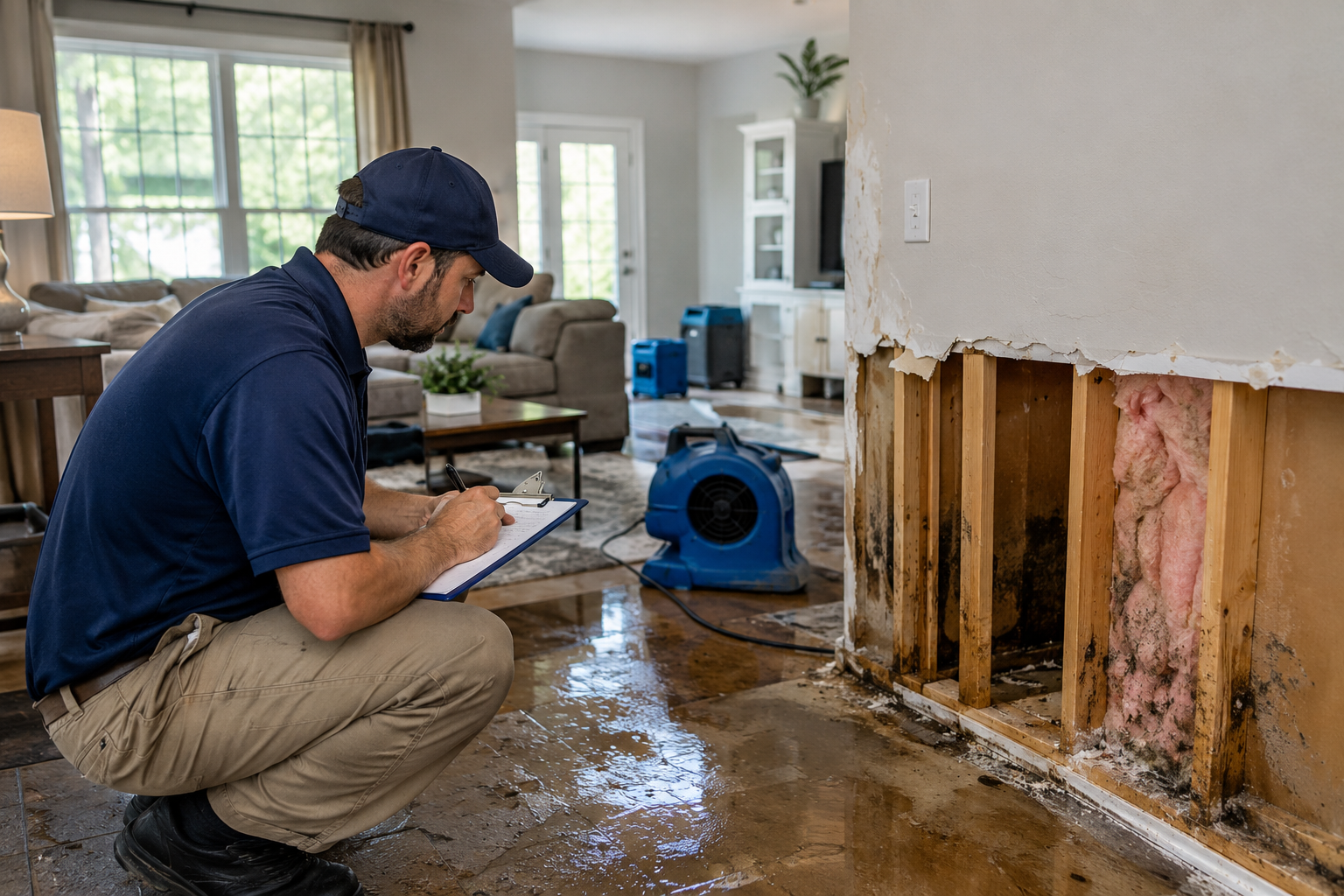
Every remediation project begins with a detailed inspection. Before any cleanup starts, a mold remediation specialist examines the property to understand how far the mold has spread and what caused it.
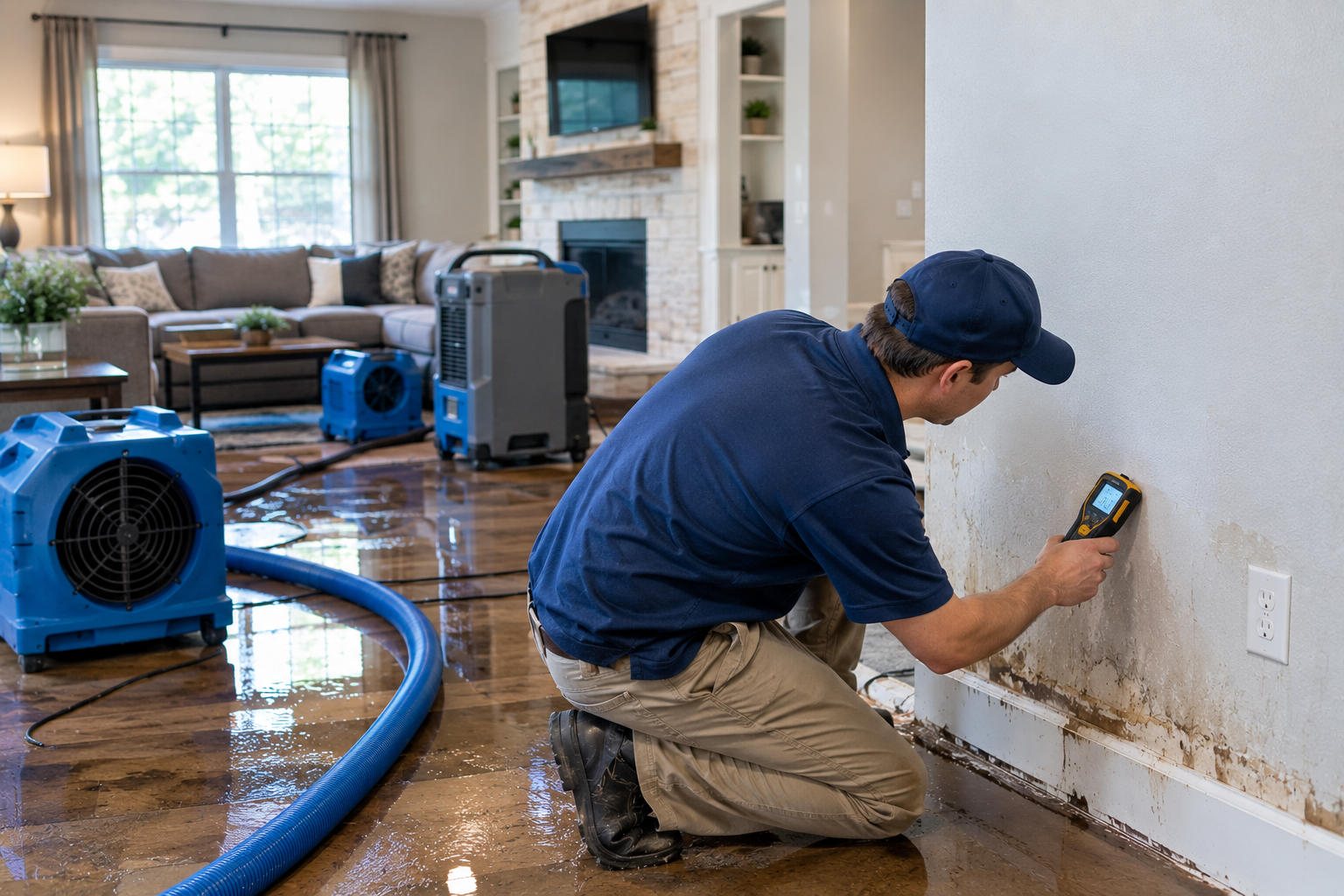
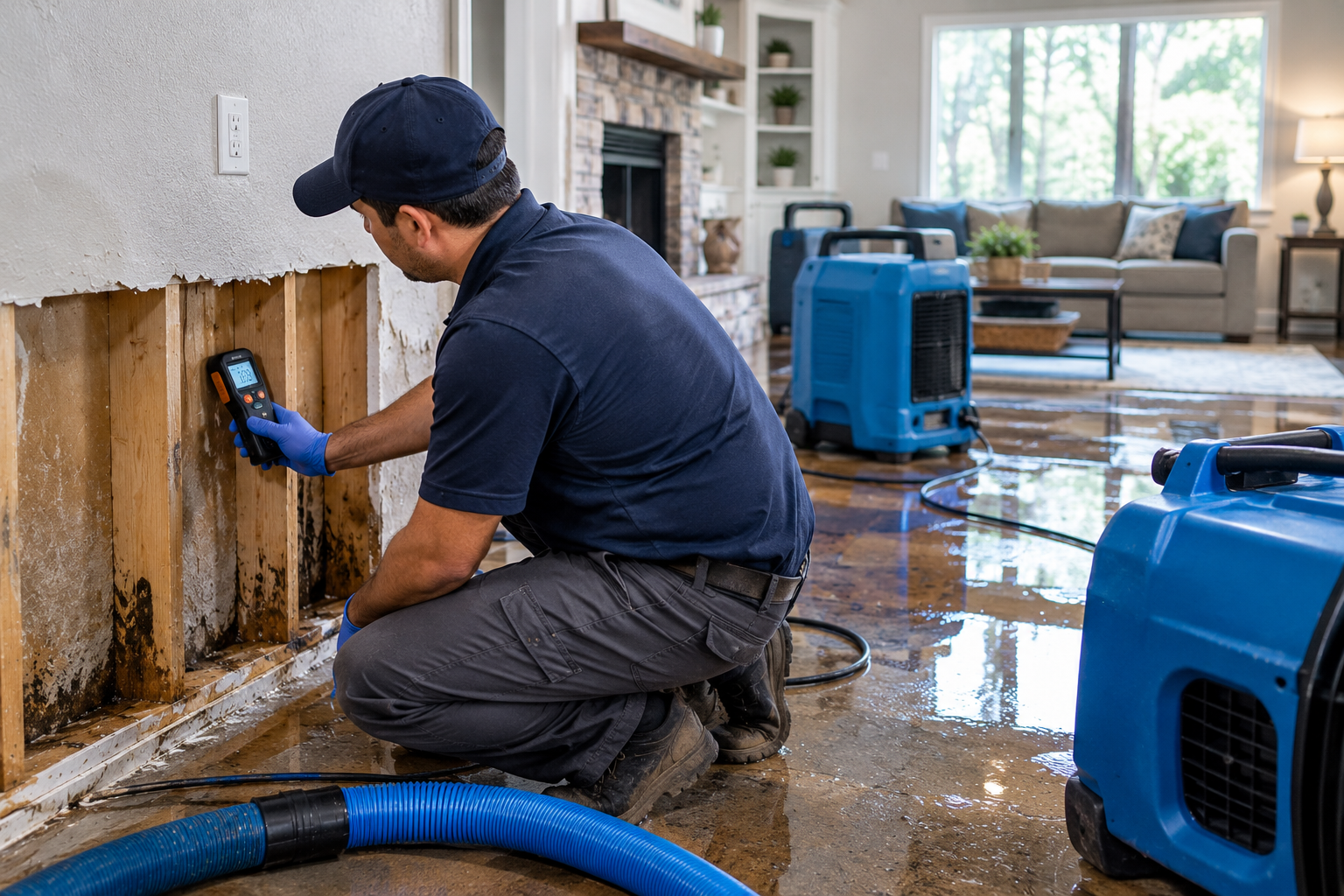
Professionals inspect both visible and hidden areas using tools such as moisture meters, thermal imaging cameras, and humidity sensors. These tools help identify moisture trapped behind walls, beneath flooring, or inside ceilings where mold may be growing unnoticed.
The inspection also determines the best remediation plan. Understanding the extent of contamination allows technicians to choose the safest and most effective cleanup methods while reducing unnecessary damage to the property.
Step 2: Identifying the Moisture Source
Removing mold without fixing the source of moisture usually leads to the same problem returning. That's why locating the cause of excess moisture is one of the most important parts of the remediation process.
The moisture may come from leaking pipes, roof damage, poor ventilation, flooding, foundation cracks, or even high indoor humidity. Professionals carefully inspect the property to identify where water is entering or collecting.
Once the moisture source is repaired, the environment becomes much less favorable for mold growth. This step helps ensure the results of remediation last much longer.
Step 3: Containment and Air Filtration
After identifying the affected areas, professionals isolate them from the rest of the property. During mold removal, tiny spores can become airborne and spread into clean rooms if proper containment isn't used.
Temporary plastic barriers, sealed openings, and negative air pressure systems help keep contamination within the work area. At the same time, HEPA air scrubbers continuously capture airborne mold spores and improve indoor air quality during cleanup.
Containment protects unaffected parts of the home and allows technicians to complete the remediation safely without spreading contamination to new areas.
Step 4: Mold Removal and Cleaning
Once containment is complete, technicians begin removing contaminated materials. The exact method depends on the type of surface and the level of mold growth.
Some non-porous materials can be cleaned and restored, while heavily contaminated drywall, insulation, carpeting, or ceiling tiles may need to be removed and replaced. After damaged materials are removed, the remaining surfaces are cleaned using specialized equipment, HEPA vacuums, and antimicrobial treatments.
Unlike basic cleaning, professional mold remediation services focus on removing mold safely while reducing airborne spores throughout the work area. This thorough approach helps create a cleaner and healthier indoor environment.
Step 5: Drying and Restoring the Property
Once the mold has been removed, the affected area must be dried completely. Industrial air movers and dehumidifiers are used to remove any remaining moisture from walls, flooring, and other building materials. Professionals monitor moisture levels throughout the drying process to ensure the area is ready for repairs.
After drying is complete, restoration work begins. Depending on the amount of damage, this may include replacing drywall, installing new insulation, repairing flooring, repainting walls, or restoring other damaged materials. The goal is to return the property to a safe and functional condition while ensuring the original moisture problem has been corrected.
Can You Remove Mold Yourself?
Small amounts of mold on hard, non-porous surfaces can sometimes be cleaned safely if the moisture source has already been repaired. However, larger mold problems often require specialized equipment and professional experience.
Mold growing behind walls, under flooring, or inside HVAC systems is difficult to detect and even harder to remove completely without the proper tools. In some cases, disturbing mold without proper containment may spread spores throughout the home and make the problem worse.
Hiring a qualified mold remediation specialist helps ensure mold is removed safely while reducing the risk of future growth.
When Should You Call a Professional?
Not every mold problem requires the same solution, but certain warning signs should never be ignored.
You should consider contacting professional mold remediation services if:
- Mold keeps returning after cleaning.
- You notice a persistent musty smell indoors.
- Your property has experienced flooding or water damage.
- Visible mold continues spreading.
- Family members experience allergy symptoms that worsen indoors.
- You suspect mold is growing behind walls or beneath flooring.
Early action can often reduce repair costs and prevent the problem from becoming more extensive.
Preventing Mold After Remediation
Although remediation removes existing mold, preventing future growth requires ongoing moisture control. Repairing leaks quickly, improving ventilation, maintaining indoor humidity, and drying wet materials after water damage all help reduce the risk of mold returning.
Regular inspections are also valuable, especially after storms or plumbing issues. Identifying moisture problems early allows homeowners to address them before mold has an opportunity to spread.
Simple maintenance can go a long way toward protecting your property and maintaining a healthier indoor environment.
Conclusion
The mold remediation process involves much more than removing visible mold. It includes inspecting the property, identifying the moisture source, containing affected areas, removing contaminated materials, cleaning remaining surfaces, drying the space, and restoring damaged areas. Each step plays an important role in helping prevent mold from returning.
Ignoring mold or relying on temporary cleaning methods can allow hidden contamination to continue spreading. Working with experienced professional mold remediation services gives homeowners confidence that the problem is being addressed safely and thoroughly.
If you've noticed musty odors, recurring mold, or signs of water damage, don't wait for the problem to get worse. You can connect through our contact page to schedule a professional inspection and learn how we can help restore a healthier, mold-free property.
Frequently Asked Questions
1. What is the mold remediation process?
The mold remediation process is a professional method of identifying, containing, removing, and cleaning mold while fixing the moisture problem that caused it. It also includes drying affected areas and restoring damaged materials to help prevent mold from returning.
2. How long does the mold remediation process usually take?
The length of the mold remediation process depends on the size of the affected area, the amount of mold growth, and the extent of water damage. Small projects may take one to two days, while larger remediation jobs can take several days to complete.
3. Why should I hire professional mold remediation services instead of cleaning mold myself?
Professional mold remediation services use specialized equipment to locate hidden mold, contain airborne spores, remove contaminated materials safely, and correct the moisture source. DIY cleaning may remove visible mold but often fails to address hidden growth, increasing the risk of the problem returning.
4. When should I contact a mold remediation specialist?
You should contact a mold remediation specialist if you notice persistent musty odors, recurring mold, recent water damage, visible mold spreading, or allergy symptoms that worsen indoors. Early inspection can help prevent further property damage and improve indoor air quality.
5. Can mold return after the mold remediation process is completed?
Yes, mold can return if the underlying moisture problem is not resolved. A complete mold remediation process includes identifying and repairing the source of moisture, thoroughly drying the affected area, and cleaning contaminated surfaces to reduce the risk of future mold growth.
Best Option Restoration