Finding mold in your home can be stressful, especially if you're not sure whether it's a small problem you can clean yourself or a larger issue that requires professional help. Many homeowners try to remove mold with household cleaners, only to discover that it keeps coming back or begins spreading to other areas of the home.
Mold is often a sign that moisture is trapped somewhere inside the property. While minor surface mold can sometimes be cleaned safely, hidden mold behind walls, under flooring, or inside insulation usually requires a more thorough approach. Knowing when to call mold removal contractors can help prevent costly repairs and protect your indoor air quality.
In this guide, we'll explain the most common warning signs that indicate it's time to contact experienced mold removal contractors, why professional mold removal is often the safest option, and what to expect from a professional mold removal service.
Why Mold Should Be Taken Seriously
Mold is more than just an unsightly stain on a wall or ceiling. It can damage drywall, wood framing, insulation, carpeting, and other building materials if the underlying moisture problem is not addressed. Over time, mold can spread into hidden areas that are difficult to inspect without specialized equipment.
The longer mold remains untreated, the more extensive the contamination can become. What starts as a small patch around a leaking pipe may eventually affect multiple rooms, ceilings, flooring, or even HVAC systems that circulate air throughout the home.
This is why early action is important. Contacting mold removal contractors before the problem becomes widespread can often reduce both the damage and the overall cost of remediation.
Sign 1: Mold Keeps Coming Back After Cleaning
One of the clearest signs that you should call mold removal contractors is when mold returns after you've already cleaned it. Household cleaners may remove visible mold temporarily, but they rarely eliminate hidden mold growing inside porous materials or behind walls.
Recurring mold usually means that moisture is still present somewhere in the home. Without identifying and correcting the source of that moisture, the mold is likely to continue returning no matter how many times the surface is cleaned.
A professional mold removal service can locate the source of the problem, remove contaminated materials safely, and help prevent the mold from returning again.
Sign 2: The Mold Covers a Large Area
Small isolated spots of mold may sometimes be manageable, but larger contaminated areas should generally be evaluated by professionals. When mold spreads across multiple walls, ceilings, rooms, or sections of flooring, the cleanup becomes much more complex.
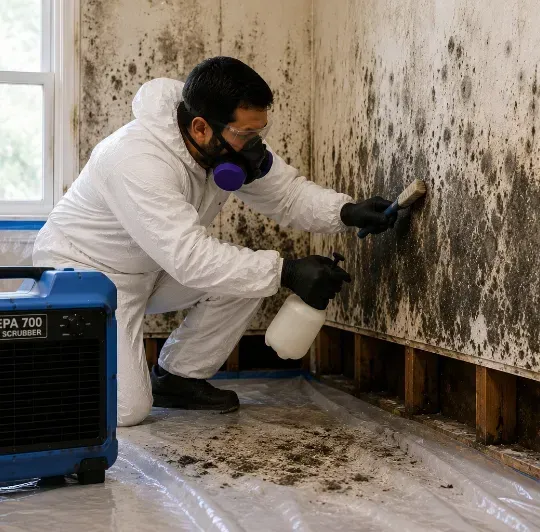
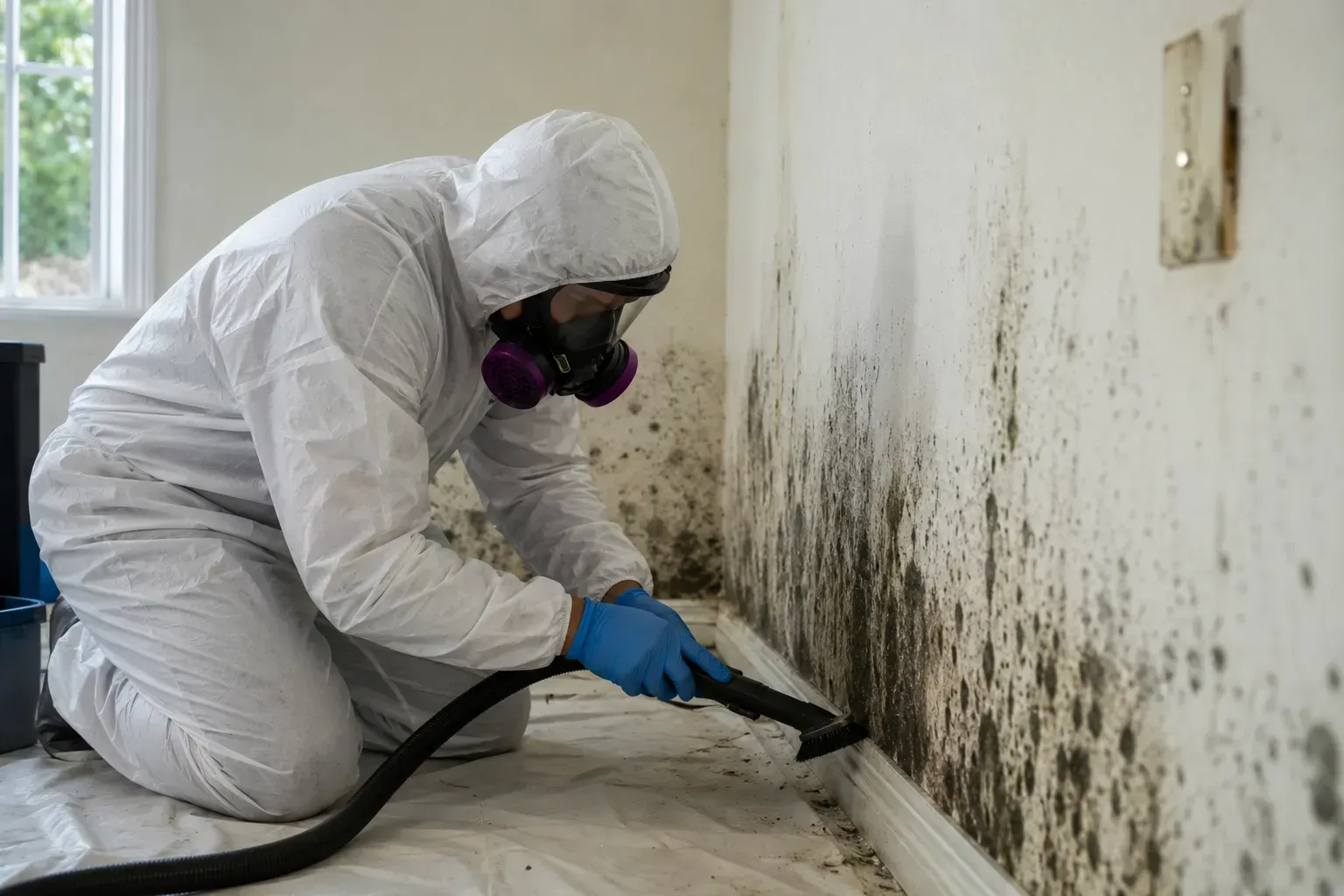
Larger mold infestations often require containment barriers, HEPA air filtration, protective equipment, and specialized cleaning procedures to prevent spores from spreading throughout the property during removal. Attempting to clean a large contaminated area without proper containment can actually make the problem worse.
This is one of the most important situations where professional mold removal is strongly recommended.
Sign 3: You Notice a Strong Musty Odor
A persistent musty or earthy smell is often one of the earliest signs of hidden mold growth. Even if you cannot see mold, the odor may indicate that mold is growing behind drywall, beneath flooring, inside crawl spaces, or around HVAC systems where moisture is trapped.
Air fresheners and cleaning products may temporarily mask the smell, but they will not remove the underlying contamination. If the odor returns repeatedly or becomes stronger over time, it's a good idea to have the property inspected by experienced mold removal contractors.
Hidden mold is often much easier and less expensive to address when it is detected early rather than after it becomes visible and widespread.
Sign 4: Your Home Has Had Recent Water Damage
Flooding, burst pipes, roof leaks, overflowing appliances, or storm damage can create ideal conditions for mold growth. Mold can begin developing within 24 to 48 hours if affected materials are not dried thoroughly.
Even after standing water has been removed, moisture may remain trapped inside drywall, insulation, wood framing, or flooring materials. Because this moisture is often hidden, homeowners may not realize mold is developing until weeks later.
If your home has experienced significant water damage, scheduling mold removal services for an inspection can help identify hidden moisture and prevent a larger mold problem from developing.
Sign 5: Family Members Have Unexplained Indoor Symptoms
Some people notice that allergy-like symptoms become worse when they are inside the home. Sneezing, coughing, itchy eyes, nasal congestion, headaches, or throat irritation may sometimes be associated with poor indoor air quality caused by mold growth.
While many indoor conditions can contribute to these symptoms, they should not be ignored if they occur alongside musty odors, visible mold, or recent water damage. A professional inspection can help determine whether mold is contributing to the problem.
Addressing the mold source may help improve the overall indoor environment and reduce ongoing exposure to airborne mold spores.
Sign 6: Mold Is Growing Around HVAC Vents
Mold near air vents, air conditioning units, or ductwork deserves immediate attention because HVAC systems can distribute airborne mold spores throughout the entire property. What appears to be a small amount of mold near a vent may indicate a larger moisture problem inside the system or surrounding building materials.
Cleaning the visible area alone is usually not enough. Professionals can inspect the surrounding components, identify the source of moisture, and determine whether additional remediation is needed to prevent spores from circulating through the home.
This is another situation where mold removal contractors should be contacted promptly rather than attempting repeated surface cleaning.
Sign 7: You See Peeling Paint or Damp Walls
Bubbling paint, peeling wallpaper, warped baseboards, soft drywall, or damp walls often indicate that moisture is trapped behind the surface. These conditions create an ideal environment for hidden mold growth even if mold is not yet visible.
Moisture problems rarely improve on their own. The longer building materials remain damp, the greater the risk that mold will develop inside walls or ceilings where it can spread unnoticed. Early inspection and remediation can prevent much more extensive repairs later.
What Happens When You Call Mold Removal Contractors?
When you contact mold removal contractors, the process usually begins with a detailed inspection of the affected areas. Technicians look for visible mold, signs of hidden moisture, water damage, and conditions that may be contributing to mold growth.
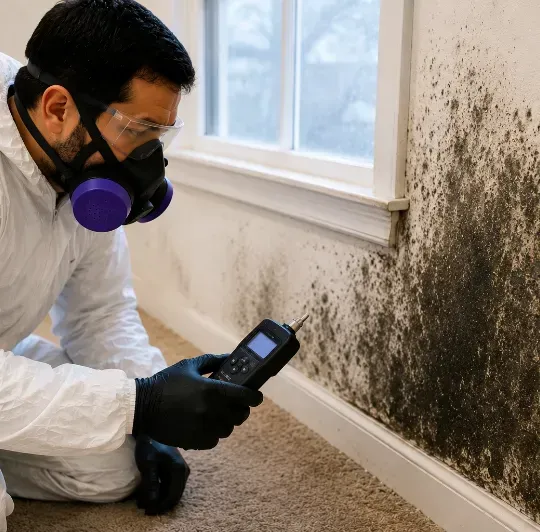
Depending on the findings, they may use moisture meters, thermal imaging cameras, and other specialized equipment to locate hidden moisture behind walls, under flooring, or inside ceilings. Once the extent of the contamination is understood, they can recommend the appropriate remediation plan.
A typical professional mold removal service may include:
- Inspection and moisture assessment
- Containment of affected areas
- HEPA air filtration
- Removal of contaminated materials
- Cleaning and sanitizing remaining surfaces
- Drying and restoration of affected areas
This structured approach helps ensure that both the mold and the underlying moisture problem are addressed properly.
Why Professional Mold Removal Is Safer Than DIY Cleanup
Many homeowners underestimate how easily mold spores can spread during cleanup. Scrubbing, sanding, or tearing out contaminated materials without proper containment can release large numbers of spores into the air and contaminate other parts of the home.
Professional mold removal uses containment systems, negative air pressure equipment, HEPA filtration, and protective procedures designed to minimize cross-contamination. Professionals also understand which materials can be cleaned safely and which should be removed and replaced.
Hiring experienced mold removal services often saves time, reduces the risk of recurring mold problems, and provides greater confidence that the cleanup has been completed correctly.
When You Should Call Immediately
You should contact mold removal contractors as soon as possible if:
- Mold is spreading rapidly
- The affected area is larger than a small isolated spot
- Your home has experienced flooding or major water damage
- You smell strong musty odors throughout the house
- Mold is affecting HVAC systems or ductwork
- Family members are experiencing worsening indoor allergy symptoms
Prompt professional attention can often prevent additional structural damage and reduce the overall scope of remediation.
Conclusion
Knowing when to call mold removal contractors can make a significant difference in protecting your home and preventing a small moisture problem from becoming a major restoration project. Recurring mold, large contaminated areas, musty odors, water damage, HVAC contamination, and unexplained indoor symptoms are all warning signs that professional help may be needed.
Choosing professional mold removal and experienced mold removal services ensures that hidden moisture, airborne spores, and contaminated materials are handled safely and thoroughly. A qualified professional mold removal service can identify the source of the problem, remove mold properly, and help prevent it from returning in the future.
If you've noticed any of these warning signs in your home or business, contact our team through our Contact page to schedule a professional inspection and learn how our mold removal contractors can help restore a safer, healthier indoor environment.
Frequently Asked Questions
1. When should I call mold removal contractors?
You should contact mold removal contractors if mold keeps returning after cleaning, covers a large area, appears after water damage, produces strong musty odors, or is suspected behind walls, under flooring, or around HVAC systems. Early professional intervention can help prevent more extensive damage.
2. What is the difference between professional mold removal and DIY cleaning?
Professional mold removal addresses both the visible mold and the underlying moisture problem. Professionals use containment barriers, HEPA air filtration, moisture detection equipment, and safe removal procedures that reduce the risk of mold spores spreading throughout the home.
3. Can mold removal contractors find hidden mold?
Yes. Experienced mold removal contractors use moisture meters, thermal imaging cameras, and detailed inspections to locate hidden moisture and mold growth behind walls, under flooring, inside ceilings, and in other concealed areas of the home.
4. What happens during a professional mold removal service?
A professional mold removal service typically includes inspection, moisture assessment, containment, HEPA air filtration, removal of contaminated materials, cleaning and sanitizing affected surfaces, drying the property, and restoring damaged areas to help prevent mold from returning.
5. Are mold removal services worth hiring after water damage?
Yes. Mold removal services can identify hidden moisture that remains after flooding, plumbing leaks, or roof damage. Professional remediation helps prevent mold from developing behind walls and reduces the risk of long-term structural damage and indoor air quality problems.
Best Option Restoration