Have you ever noticed a musty smell in your home even though you can't find any visible mold? Many homeowners assume that if they can't see mold, it isn't there. Unfortunately, mold often grows in hidden areas such as behind drywall, beneath flooring, inside insulation, or above ceilings where it can remain unnoticed for months.
Hidden mold is especially common after plumbing leaks, roof damage, flooding, or long-term humidity problems. Because the contamination is concealed, homeowners may not realize there is a problem until they begin noticing odors, moisture damage, or indoor air quality issues. This is why hidden mold removal is an important part of protecting both your property and your family's health.
In this guide, we'll explain how professionals find hidden mold, what happens during a mold inspection, and how mold removal services safely remove hidden contamination before it causes more extensive damage.
Why Hidden Mold Is Difficult to Detect
Visible mold is relatively easy to identify, but hidden mold develops in areas that are not normally exposed to view. It often grows behind bathroom walls, under sinks, around plumbing lines, beneath carpeting, inside crawl spaces, or in attics where moisture becomes trapped.
Because these areas are concealed, homeowners may only notice indirect warning signs such as musty odors, peeling paint, warped drywall, soft flooring, or recurring moisture problems. In many cases, the mold has already spread significantly by the time visible symptoms appear.
This is why professional mold inspection services focus on locating moisture and hidden contamination rather than relying only on what can be seen during a visual walkthrough.
Common Signs of Hidden Mold
Although hidden mold is not always visible, it usually leaves clues that something is wrong. Recognizing these signs early can help prevent more serious structural damage and reduce the cost of remediation.
The most common warning signs include:
- Persistent musty or earthy odors
- Peeling paint or bubbling wallpaper
- Soft or discolored drywall
- Warped flooring or baseboards
- Recent water damage from leaks or flooding
- Allergy symptoms that worsen indoors
If you notice several of these signs together, scheduling a professional inspection is usually the safest next step.
Step 1: Professional Mold Inspection
The first stage of hidden mold removal is a detailed mold inspection. Professionals begin by gathering information about the property's history, including previous water damage, plumbing leaks, roof leaks, flooding, or areas where moisture problems have occurred repeatedly.
Technicians then perform a careful visual assessment of walls, ceilings, flooring, windows, crawl spaces, attics, and other moisture-prone areas. They look for staining, discoloration, warped materials, condensation, and other signs that may indicate hidden moisture or mold growth.
A thorough inspection helps narrow down the areas that require additional testing and allows professionals to develop an effective plan for locating hidden contamination.
Step 2: Moisture Detection Behind Walls
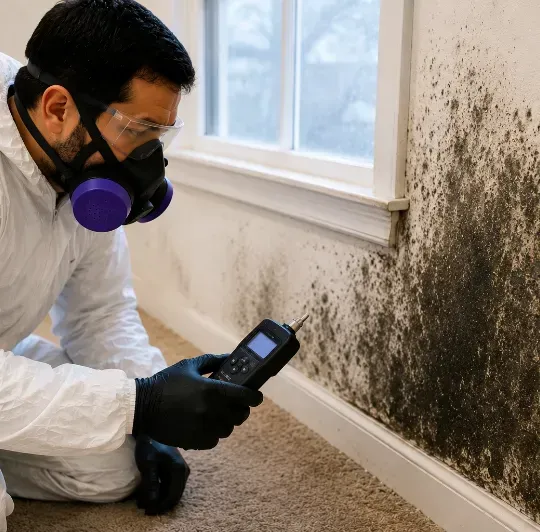
One of the most important parts of hidden mold removal is finding the moisture source that allowed mold to develop. Professionals use moisture meters to measure the moisture content inside drywall, wood, flooring, and other building materials without causing unnecessary damage.
Elevated moisture readings often indicate that water is trapped behind walls or beneath flooring even when surfaces appear completely dry. These hidden damp areas are common locations for concealed mold growth.
By identifying moisture early, technicians can focus their investigation on the areas most likely to contain hidden mold and prevent unnecessary demolition in unaffected parts of the home.
Step 3: Thermal Imaging Technology
Thermal imaging cameras are another valuable tool used during a mold inspection. These cameras detect temperature differences in building materials, which can help identify areas where moisture is present behind walls, ceilings, or floors.
It's important to understand that thermal imaging does not detect mold directly. Instead, it reveals temperature patterns that suggest moisture intrusion. Once suspicious areas are identified, technicians can perform additional testing to determine whether mold is actually present.
This non-invasive approach allows professionals to investigate hidden moisture problems while minimizing unnecessary damage to the property.
Step 4: Air and Surface Testing
When mold is suspected but cannot be seen, professionals may recommend air sampling or surface testing. Air samples collected from different areas of the home can help determine whether indoor mold spore levels are unusually high compared to outdoor conditions.
Surface samples may also be taken from suspicious areas to confirm the presence of mold growth. While testing is not required for every remediation project, it can provide useful information when hidden contamination is difficult to locate or when homeowners want additional documentation of the problem.
Testing is often especially helpful in situations involving real estate transactions, recurring mold problems, or unexplained indoor air quality concerns.
Step 5: Containment Before Removal Begins
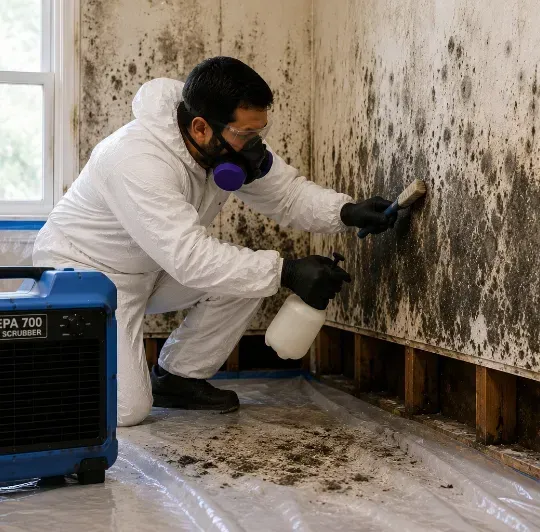
Once hidden mold has been confirmed, mold removal contractors establish containment to prevent spores from spreading to unaffected areas of the home during the removal process. This is a critical safety step that is often overlooked in DIY cleanup attempts.
Containment typically involves plastic barriers, sealed openings, negative air pressure systems, and HEPA air scrubbers that continuously filter airborne particles from the work area. These measures help keep contamination isolated while remediation is underway.
Proper containment is one of the reasons professional remediation is generally much safer and more effective than attempting to remove hidden mold without specialized equipment.
Step 6: Removing Hidden Mold Safely
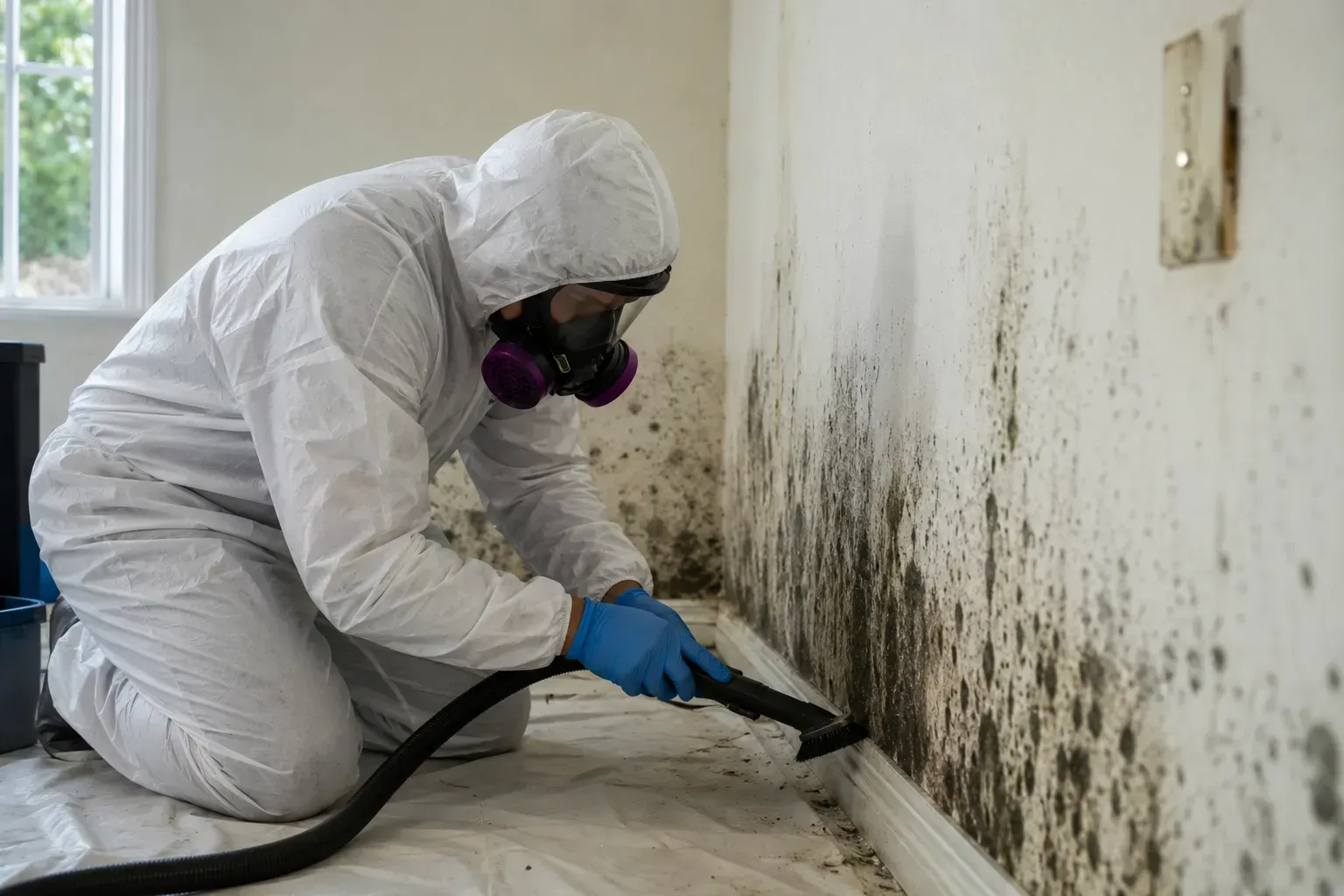
After containment has been established, technicians begin the actual hidden mold removal process. Depending on the extent of the contamination, this may involve removing sections of drywall, insulation, carpeting, baseboards, or other porous materials that have absorbed moisture and mold.
For materials that can be restored, professionals use HEPA vacuuming, antimicrobial treatments, and specialized cleaning techniques designed to remove mold spores safely. The goal is not only to remove visible mold but also to eliminate contamination that could continue affecting indoor air quality.
Experienced mold removal contractors follow industry-recognized procedures to ensure contaminated materials are removed and disposed of safely without spreading spores throughout the home.
Step 7: Drying and Restoring the Home
Successful hidden mold removal does not end with cleaning. Any remaining moisture must be removed completely to prevent mold from returning. Professionals use commercial dehumidifiers and air movers to dry affected walls, flooring, framing, and other structural materials.
Once moisture levels have returned to acceptable ranges, restoration work can begin. This may include replacing drywall, insulation, flooring, trim, or repainting affected surfaces so the home can be returned to a safe and functional condition.
Proper drying and restoration are essential for preventing recurring mold problems after remediation has been completed.
Why Professional Mold Removal Service Is Worth It
Homeowners sometimes attempt to clean hidden mold themselves by cutting open walls or spraying household cleaners into suspected areas. Unfortunately, disturbing hidden mold without proper containment often releases large numbers of spores into the air and can spread contamination to other parts of the home.
A professional mold removal service has the training, equipment, and experience needed to locate hidden contamination accurately, establish safe containment, remove affected materials properly, and correct the underlying moisture problem. Professionals also understand how mold behaves in different building materials and can recommend the most effective long-term solution.
Choosing experienced mold removal services often saves time, reduces the risk of recurring mold growth, and provides greater confidence that the problem has been addressed thoroughly.
When Should You Schedule a Mold Inspection?
You should consider scheduling a professional mold inspection if you've experienced recent water damage, notice persistent musty odors, see unexplained wall or ceiling discoloration, have recurring moisture problems, or experience allergy symptoms that worsen indoors. Early detection is usually much less expensive than waiting until mold becomes visible and causes extensive structural damage.
Conclusion
Hidden mold can remain undetected for months while damaging building materials and affecting indoor air quality. Because it often grows behind walls, under flooring, or inside other concealed areas, professional hidden mold removal requires much more than simply cleaning visible mold stains.
Through detailed mold inspection procedures, moisture detection, thermal imaging, containment, and safe removal techniques, experienced mold removal contractors can locate and eliminate hidden contamination before it becomes a much larger problem. Working with a qualified professional mold removal service helps protect your home, improve indoor air quality, and reduce the risk of mold returning in the future.
If you suspect hidden mold in your home or business, contact our team through our Contact page to schedule a professional inspection and learn how our mold removal services can help restore a safer, healthier indoor environment.
Frequently Asked Questions
1. What is hidden mold removal?
Hidden mold removal is the process of locating and removing mold that is growing behind walls, under flooring, inside insulation, or in other concealed areas of a home. It usually involves professional inspection, moisture detection, containment, safe removal, drying, and restoration.
2. How do professionals find hidden mold behind walls?
Professionals use mold inspection techniques such as moisture meters, thermal imaging cameras, visual assessments, and sometimes air or surface testing to identify hidden moisture and mold growth behind walls and other building materials.
3. When should I schedule mold inspection services?
You should schedule mold inspection services if you notice musty odors, recent water damage, peeling paint, warped flooring, recurring moisture problems, or allergy symptoms that become worse indoors. Early inspections help detect hidden mold before it spreads further.
4. Why should I hire mold removal contractors instead of removing hidden mold myself?
Experienced mold removal contractors have specialized equipment for moisture detection, containment, HEPA air filtration, and safe removal of contaminated materials. DIY removal can disturb hidden mold and spread spores throughout the home if proper containment is not used.
5. Can a professional mold removal service prevent mold from coming back?
Yes. A professional mold removal service not only removes existing mold but also identifies and corrects the moisture source that caused the problem. Proper drying, repairs, and restoration significantly reduce the likelihood of mold returning after remediation.
Best Option Restoration