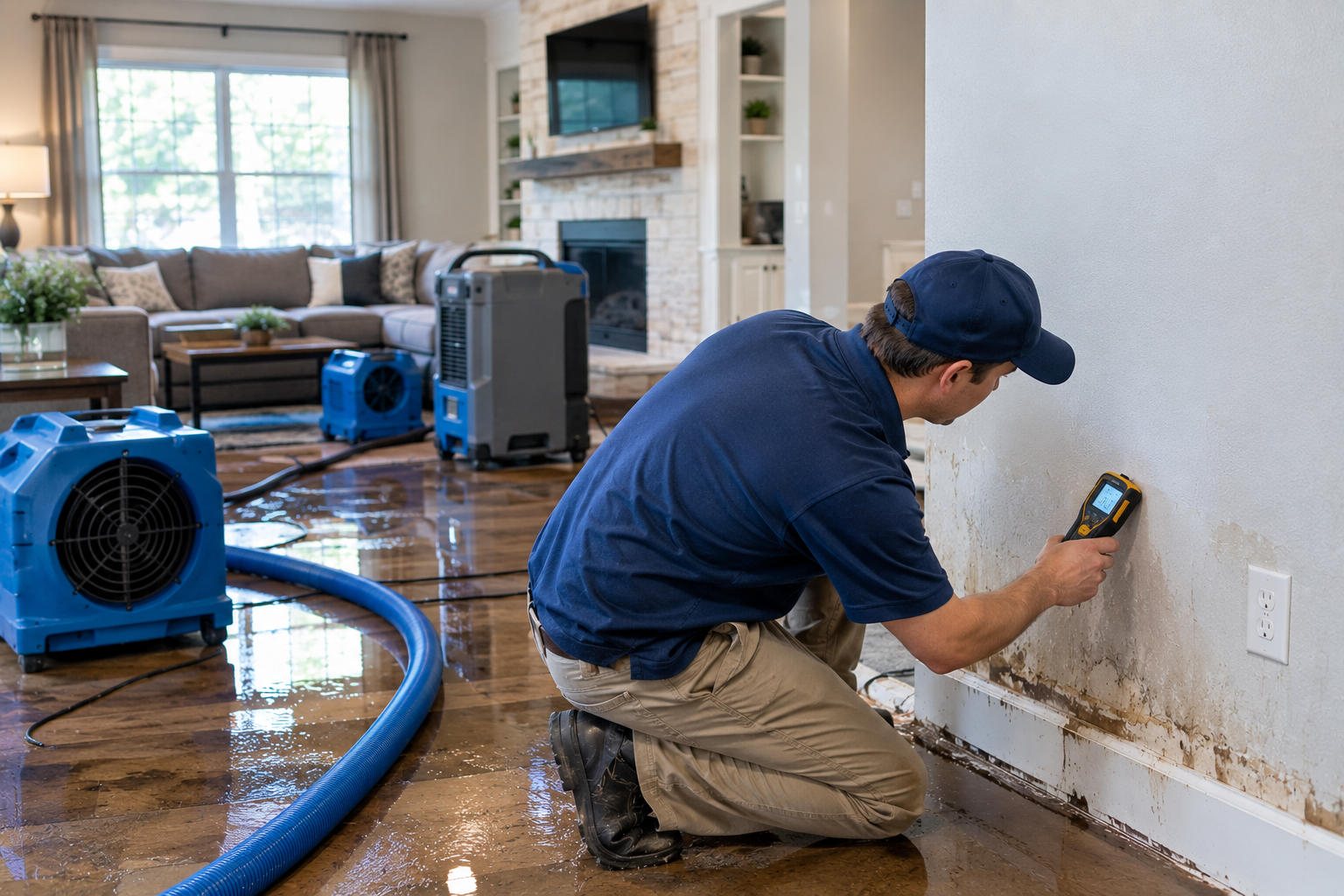

Have you been told your home needs mold remediation and are now wondering why prices vary so much? It's a common question among Texas homeowners. Some projects require only minor cleanup, while others involve extensive remediation, repairs, and restoration.
The truth is that there isn't a one-size-fits-all price. Several factors influence mold remediation cost factors, including the size of the affected area, the amount of mold growth, the source of moisture, and the repairs needed after remediation. Understanding these factors can help you know what to expect before requesting an estimate.
In this guide, we'll explain the biggest factors that affect mold remediation pricing in Texas homes and why working with experienced mold remediation contractors is important for achieving safe, long-lasting results.
Why Mold Remediation Costs Vary
Every mold problem is different, which is why remediation costs can vary from one property to another. A small amount of mold caused by a minor plumbing leak requires a different approach than widespread contamination after flooding or storm damage.
The remediation process often includes inspection, containment, mold removal, drying, cleaning, and restoration. The amount of work involved depends on the condition of the property and how far the mold has spread.
Instead of focusing only on the final price, homeowners should understand what services are included and whether the remediation addresses both the mold and the moisture source.
Factor 1: Size of the Affected Area
One of the biggest mold remediation cost factors is the size of the contaminated area. Larger mold infestations require more labor, additional equipment, and longer project timelines.
If mold is limited to a small section of drywall, remediation may be relatively straightforward. However, when mold has spread through multiple rooms or large sections of the home, containment and cleanup become much more complex.
The larger the affected area, the greater the amount of material that may need cleaning, removal, or replacement, which directly impacts mold remediation pricing.
Factor 2: Location of the Mold
Where mold is growing also plays a major role in determining remediation costs. Mold located on accessible surfaces is generally easier to remove than mold hidden behind walls, beneath flooring, inside crawl spaces, or within HVAC systems.
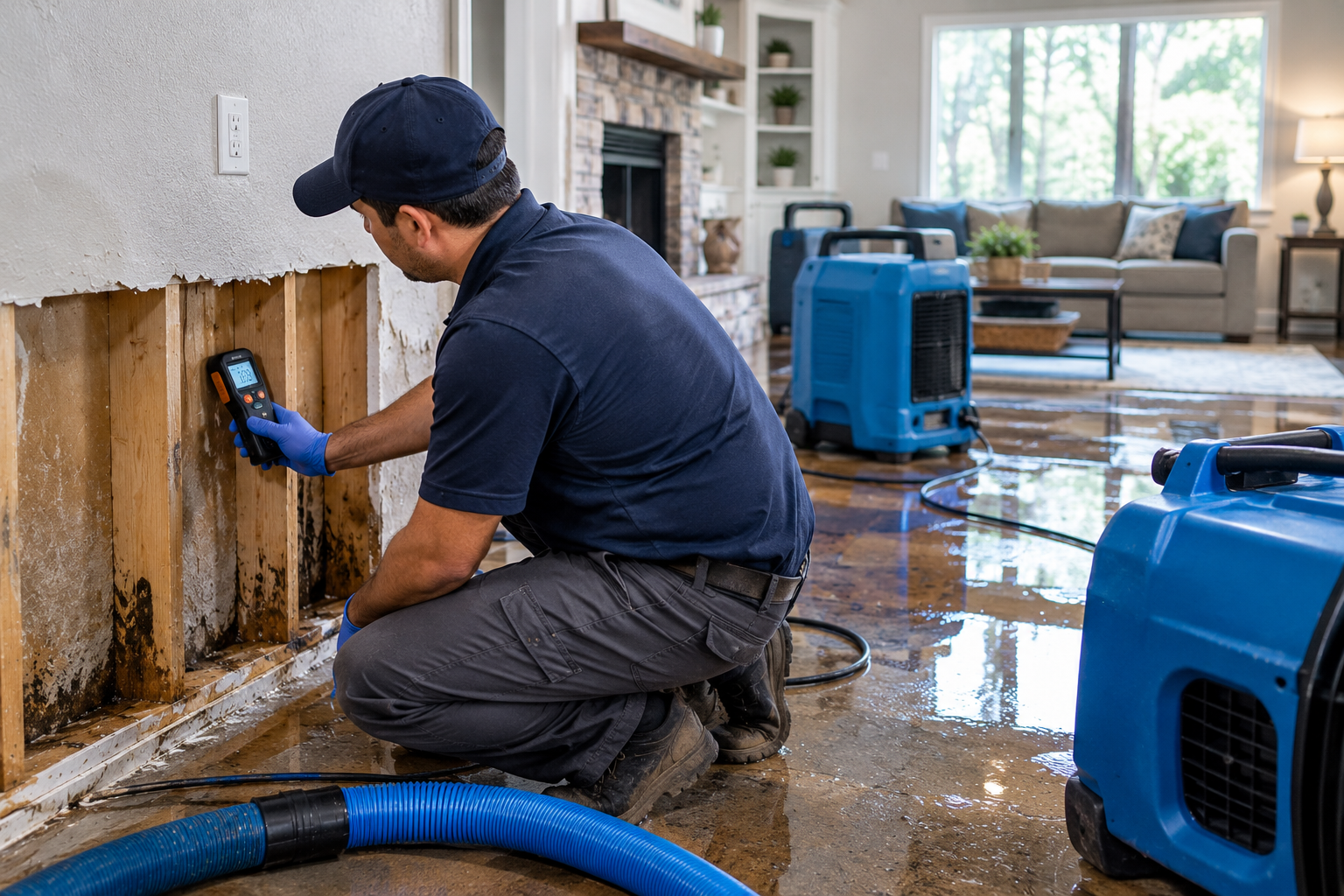
Hidden mold often requires additional inspection techniques such as moisture meters or thermal imaging equipment to locate the full extent of contamination. Reaching these areas may also involve removing drywall, flooring, or other building materials.
Because difficult-to-access mold requires additional labor and specialized equipment, the overall project becomes more involved.
Factor 3: Severity of Mold Growth
The amount of mold present has a direct impact on remediation requirements. Small, isolated mold growth usually requires less time and fewer materials than extensive contamination that has been developing for months.
Severe mold infestations often require larger containment areas, additional air filtration equipment, more cleaning, and greater restoration work after contaminated materials have been removed.
Early intervention can often reduce both the amount of remediation needed and the overall cost of restoring the property.
Factor 4: Water Damage and Moisture Problems
Mold cannot grow without moisture, so identifying and correcting the source of water intrusion is a necessary part of remediation. Leaking pipes, roof damage, flooding, poor ventilation, and excess humidity are some of the most common causes.
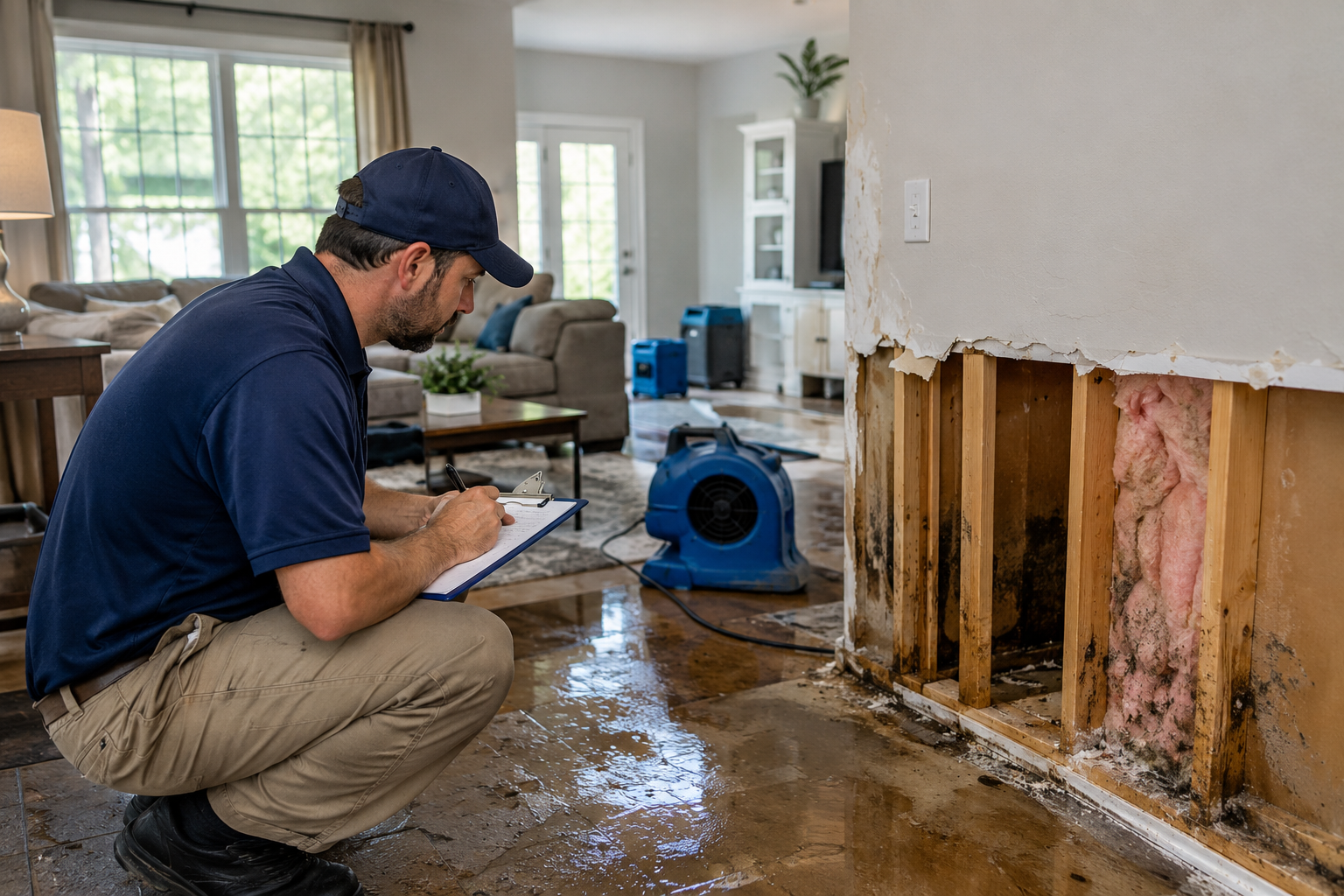
If water damage has affected drywall, insulation, flooring, or structural materials, these areas may require drying, repair, or replacement before the project is complete.
Homes with significant water damage generally require more extensive remediation, which naturally increases mold remediation pricing.
Factor 5: Materials That Need Replacement
Not every material affected by mold can be cleaned successfully. Porous materials such as drywall, insulation, carpeting, and ceiling tiles often absorb moisture and mold deep below the surface.
When these materials cannot be restored safely, they must be removed and replaced. Restoration work may also include repainting walls, installing new flooring, replacing trim, or repairing damaged ceilings.
The amount of reconstruction needed after remediation is another major factor that influences the final project cost.
Factor 6: Containment and Safety Requirements
Professional remediation doesn't simply involve cleaning visible mold. One of the most important parts of the process is preventing mold spores from spreading to unaffected areas during cleanup.
Depending on the size of the project, technicians may install containment barriers, negative air pressure systems, and HEPA air filtration equipment. These safety measures protect the rest of the property while remediation is underway.
Larger containment systems require more labor and equipment, making them another important pricing factor.
Why TDLR Licensed Mold Remediation Matters
Texas has specific regulations for certain mold remediation projects. Choosing TDLR Licensed mold remediation helps ensure the work is completed according to state requirements and recognized industry standards.
Licensed professionals understand proper containment procedures, documentation requirements, and remediation practices designed to protect both the property and its occupants. They also follow established safety protocols throughout the remediation process.
Hiring a licensed contractor provides homeowners with greater confidence that remediation has been completed correctly and professionally.
Why Experienced Mold Remediation Contractors Are Worth It
Choosing experienced mold remediation contractors is about more than comparing prices. Qualified professionals have the equipment, training, and expertise needed to locate hidden mold, identify moisture problems, and complete remediation safely.
They also provide detailed inspections, explain the recommended remediation plan, and help homeowners understand what services are included in the estimate. This transparency makes it easier to evaluate pricing and avoid unexpected surprises.
Investing in experienced contractors often leads to better long-term results and reduces the likelihood of recurring mold problems.
How Homeowners Can Help Reduce Remediation Costs
While some mold problems cannot be avoided, homeowners can reduce future remediation expenses by addressing moisture issues as early as possible.
Repair plumbing leaks quickly, improve ventilation in bathrooms and kitchens, maintain roofing systems, and dry water-damaged materials within 24 to 48 hours. Regular inspections after storms or plumbing failures can also help identify moisture problems before mold spreads.
Preventive maintenance often costs much less than repairing widespread mold damage later.
Conclusion
Several mold remediation cost factors determine the overall price of a remediation project in Texas homes. The size of the affected area, location of mold, water damage, containment requirements, and restoration work all influence the final estimate.
Understanding these factors helps homeowners make informed decisions when comparing mold remediation pricing and selecting qualified mold remediation contractors. Choosing TDLR Licensed mold remediation professionals also provides added confidence that the work will be completed safely and according to Texas standards.
If you're concerned about mold in your home, contact our team through our Contact page to schedule a professional inspection and receive a customized remediation estimate based on your property's specific needs.
Frequently Asked Questions
1. What are the main mold remediation cost factors?
The biggest mold remediation cost factors include the size of the affected area, the amount of mold growth, the location of the mold, water damage, containment requirements, and the repairs needed after remediation. A professional inspection provides the most accurate estimate.
2. Why does mold remediation pricing vary between homes?
Mold remediation pricing varies because every property has different levels of contamination and moisture damage. Factors such as accessibility, materials affected, labor, equipment, and restoration work all influence the overall cost of the project.
3. Why should I hire TDLR Licensed mold remediation professionals?
Choosing TDLR Licensed mold remediation professionals helps ensure the work follows Texas regulations and industry best practices. Licensed contractors use proper containment methods, safety procedures, and professional equipment to complete remediation safely and effectively.
4. How do mold remediation contractors determine the cost of a project?
Experienced mold remediation contractors inspect the property, identify the source of moisture, evaluate the extent of mold growth, and determine what materials require cleaning or replacement. They then prepare an estimate based on the scope of work needed.
5. Can I reduce mold remediation costs by acting early?
Yes. Repairing leaks quickly, drying water-damaged areas within 24 to 48 hours, and scheduling an inspection when mold is first noticed can help reduce mold remediation cost factors by preventing the problem from becoming more extensive.
Best Option Restoration