In Texas, mold issues are not just a property concern, they are a regulatory, legal, and financial liability that can significantly impact commercial operations and real estate transactions. For property owners, facility managers, realtors, and legal professionals, understanding TDLR Licensed mold remediation is essential to ensuring compliance, protecting occupants, and minimizing risk exposure.
The Texas Department of Licensing and Regulation (TDLR) has implemented strict guidelines that clearly separate mold assessment from mold remediation. This distinction is not optional; it is a legal requirement designed to ensure transparency, eliminate conflicts of interest, and maintain professional accountability across the industry.
Whether you're managing a large commercial facility, representing a buyer or seller in a real estate deal, or handling liability claims, understanding how assessment and remediation rules function under TDLR can help you avoid costly mistakes, delays, and legal disputes.
Understanding TDLR Mold Regulations
The foundation of TDLR Licensed mold remediation lies in structured regulation and professional accountability. TDLR mandates that all mold-related work must be performed by licensed individuals who operate within clearly defined roles. This ensures that each phase of the process is handled with accuracy and integrity.
These regulations were developed to standardize mold-related practices across Texas and to protect both property owners and occupants. Without these standards, inconsistent remediation methods could lead to incomplete mold removal, recurring contamination, and increased liability risks.
What Does TDLR Regulate?
- Mold assessment procedures
- Mold remediation standards
- Licensing requirements for professionals
- Documentation and clearance protocols
By enforcing these requirements, TDLR ensures that mold issues are addressed using proven methods that prioritize safety and long-term effectiveness.
Assessment vs. Remediation: The Critical Legal Distinction
One of the most important aspects of TDLR mold protocol is the strict legal separation between mold assessment and mold remediation. This distinction is designed to eliminate bias and ensure that all decisions are based on objective findings.
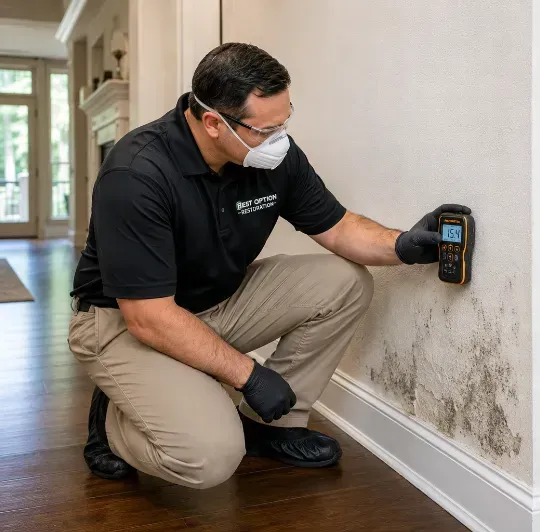
Mold assessment is conducted by a licensed assessor (MAC) who is responsible for inspecting the property, identifying the presence and extent of mold, and determining the source of contamination. Based on this evaluation, the assessor develops a detailed remediation protocol that outlines the steps required to resolve the issue. They also conduct post-remediation clearance testing to verify that the environment is safe.
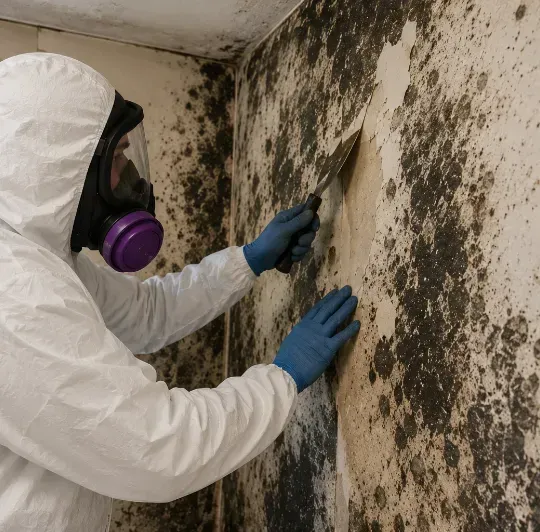
Mold remediation, on the other hand, is carried out by a Licensed mold contractor TX (MRC). This professional follows the protocol provided by the assessor and is responsible for removing contaminated materials, containing affected areas, and restoring the property.
The same company cannot legally perform both roles on the same project. This separation ensures that the assessment remains unbiased and that remediation is performed according to verified requirements rather than financial motivations.
Why Separation of Roles Builds Trust and Authority
For commercial clients and legal professionals, the separation between assessment and remediation is more than a compliance requirement; it is a critical factor in building trust and credibility.
Key Benefits of Role Separation
- Eliminates conflicts of interest
- Ensures independent and unbiased evaluations
- Strengthens legal defensibility
- Improves the reliability of documentation
When businesses work with professional mold remediation services that follow TDLR guidelines, they demonstrate a commitment to transparency and due diligence. This not only protects them from potential legal issues but also enhances their reputation among tenants, investors, and clients.
The Step-by-Step TDLR Compliance Process
A TDLR-compliant mold remediation project follows a structured and methodical process that ensures accuracy and accountability at every stage.
The process begins with a comprehensive inspection conducted by a licensed assessor. During this phase, the assessor evaluates the property, identifies areas of contamination, and may collect samples for analysis.
Once the assessment is complete, a detailed TDLR mold protocol is developed. This document serves as the foundation for the entire remediation process and outlines the exact steps that must be followed.
Core Elements of a TDLR Mold Protocol
- Defined scope of work
- Containment and safety procedures
- Approved remediation techniques
- Post-remediation clearance criteria
After the protocol is established, a Licensed mold contractor TX carries out the remediation work according to these guidelines. Upon completion, the assessor returns to perform clearance testing. If the results meet TDLR standards, a clearance certificate is issued, confirming that the property is safe and compliant.
Common Compliance Mistakes to Avoid
Even experienced professionals can make errors when navigating TDLR regulations. These mistakes can lead to serious consequences, including legal liability and increased costs.
Most Common Errors
- Hiring a single company for both assessment and remediation
- Skipping or ignoring the remediation protocol
- Using unlicensed mold remediation contractors
- Failing to obtain proper clearance documentation
Avoiding these pitfalls requires a clear understanding of TDLR requirements and a commitment to working with qualified experts.
Why Commercial Clients Must Prioritize Licensed Professionals
Commercial properties present unique challenges when dealing with mold. High occupancy levels, complex building systems, and strict compliance requirements make it essential to work with experienced professionals.
Choosing qualified mold remediation contractors ensures that the project is handled efficiently and in accordance with state regulations. It also reduces downtime, protects employee health, and minimizes disruption to business operations.
If you are managing a commercial property and need expert guidance, consider reaching out through your contact page to connect with professionals who specialize in TDLR Licensed mold remediation and compliance-driven solutions.
The Legal Perspective: Documentation and Liability
From a legal standpoint, documentation is one of the most important aspects of mold remediation. Proper records provide evidence that the property owner has followed all required procedures and taken appropriate action.
Essential Documentation Includes
- Mold assessment reports
- TDLR mold protocol
- Remediation work logs
- Clearance certificates
These documents are critical in insurance claims, tenant disputes, and real estate transactions. Without them, even a properly completed remediation project may lack legal credibility.
Failure to follow TDLR mold protocol can weaken a legal position and expose stakeholders to unnecessary risk. In contrast, thorough documentation strengthens accountability and supports a defensible case.
Real Estate Transactions and Mold Compliance
Mold issues can significantly impact property transactions. Buyers expect full transparency, and unresolved mold problems can delay or even cancel deals.
By ensuring that a property undergoes independent assessment, professional remediation, and verified clearance, sellers can build trust with potential buyers. This approach not only facilitates smoother transactions but also helps maintain property value.
Working with professional mold remediation services adds credibility and reassures buyers that the issue has been addressed in compliance with TDLR regulations.
Without using Licensed MAC and MRC for the work, the clearance certificate cannot be supplied. This certificate (CDMR) is a legal document required for Real Estate Transactions.
How TDLR Compliance Enhances Business Reputation
In today’s competitive commercial landscape, reputation is a valuable asset. Businesses that prioritize compliance and safety are more likely to attract tenants, clients, and investors.
Following TDLR regulations demonstrates professionalism, responsibility, and a commitment to high standards. It also reduces the risk of legal issues and negative publicity.
If your organization is dealing with mold concerns, connecting with a qualified team through your contact page can help ensure that every step of the process aligns with regulatory requirements and industry best practices.
Advanced Insights: Why TDLR Protocols Are Non-Negotiable
Mold remediation is a complex process that requires precision and expertise. Without a structured TDLR mold protocol, remediation efforts may fail to address the root cause of the problem.
Protocols ensure that containment is properly implemented, contaminated materials are safely removed, and air quality is restored. They also provide a clear framework for verification through post-remediation testing.
This level of detail is what distinguishes certified mold remediation contractors from general service providers and ensures long-term success.
Choosing the Right Mold Remediation Partner
Selecting the right Licensed mold contractor TX is a critical decision that can impact the outcome of the entire project. Key factors to consider include licensing, experience, and familiarity with TDLR regulations.
A reputable contractor will follow the protocol closely, maintain clear communication, and provide comprehensive documentation throughout the process. This ensures that the project is completed efficiently and in full compliance with all requirements.
The Cost of Non-Compliance
Ignoring TDLR regulations can lead to significant financial and legal consequences. Non-compliance often results in fines, increased remediation costs, and potential legal disputes.
It can also reduce property value and damage relationships with tenants and clients. In contrast, investing in TDLR Licensed mold remediation ensures that the issue is resolved correctly the first time, reducing long-term risks and costs.
Conclusion: Compliance Is the Foundation of Trust
In Texas, mold remediation is not just about removing visible contamination, it is about following a structured and regulated process that ensures safety, transparency, and accountability.
Understanding the distinction between assessment and remediation, adhering to TDLR mold protocol, and working with licensed professionals are essential steps in achieving compliance.
For commercial clients, real estate professionals, and legal experts, this approach provides peace of mind and a strong foundation for decision-making. If you are dealing with a mold issue or need compliance guidance, take the next step by connecting with experts through our contact page and ensure your property meets every regulatory standard.
FAQs (Frequently Asked Questions)
1. What is TDLR licensed mold remediation?
TDLR licensed mold remediation refers to mold removal services conducted by certified professionals who follow Texas regulations to ensure safety and compliance.
2. Can the same company perform mold assessment and remediation in Texas?
No, TDLR requires separate licensed professionals for assessment and remediation to prevent conflicts of interest.
3. What is a MAC?
The MAC is the Mold Assessor Consultant, they carry out the inspection and write the Protocol and clearance requirements.
4. What is included in a TDLR mold protocol?
It includes scope of work, safety measures, containment procedures, and clearance criteria for remediation.
5. Why is clearance testing necessary?
It confirms that mold levels are safe and provides official proof that remediation was successful.
6. How do I choose a licensed mold contractor in TX?
Select a Licensed mold contractor TX with proper certification, experience, and a strong understanding of compliance standards.
7. What is a MRC?
MRC is Mold Remediation Contractor, this is the person that carried out the Mold removal. A MRC can have 1 Mold Remediation Worker with them (MRW).
8. What is the difference between a Mold Remediation Contractor and a Mold Remediation Company?
A MRC, Mold Remediation Contractor is legally only allowed to have ONE employee on a project with them (MRW). A Mold Remediation Company can have many MRC’s and many Mold Remediation workers (MRW)
Best Option Restoration