If mold has been discovered in your home, one of your biggest concerns is probably whether the remediation process is safe for your family, especially young children and pets. Many homeowners worry about airborne mold spores, cleaning products, and the equipment used during remediation.
The good news is that when the work is performed by experienced mold remediation contractors, the process is designed to protect both the occupants of the home and the technicians performing the work. Proper containment, air filtration, and cleaning procedures are used to minimize exposure and improve indoor air quality once the remediation is complete.
In this guide, we'll explain how mold remediation safety is managed during a professional project, what precautions are taken for children and pets, and when temporary relocation may be recommended during professional mold remediation services.
Why Mold Can Be a Concern for Families
Mold releases microscopic spores into the air as it grows and spreads. These spores can circulate through the home and settle on surfaces, clothing, furniture, and ventilation systems. While not everyone reacts to mold in the same way, children and pets may be more sensitive to poor indoor air quality because of their smaller body size and developing respiratory systems.
Young children often spend more time playing on floors and touching surfaces where spores may collect. Pets can also come into contact with contaminated areas or inhale airborne particles while moving throughout the home. Because of these factors, addressing mold promptly is usually safer than leaving the contamination untreated for long periods.
Professional remediation focuses not only on removing visible mold but also on reducing airborne spores and correcting the moisture conditions that allowed mold to grow in the first place.
How Mold Remediation Contractors Protect Occupants
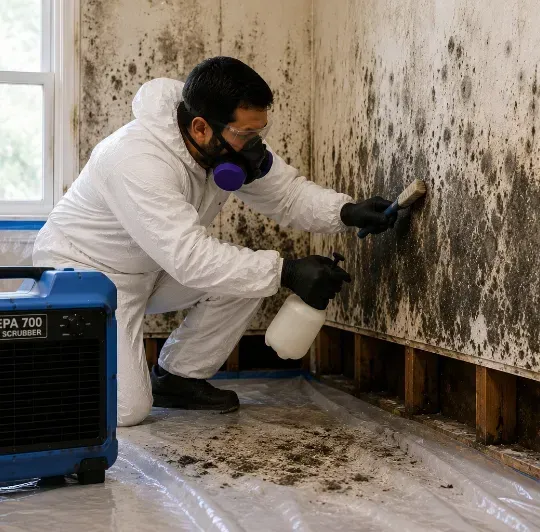
Experienced mold remediation contractors follow strict procedures designed to prevent mold spores from spreading to unaffected areas of the property. One of the first steps is isolating the contaminated area using plastic barriers, sealed openings, and negative air pressure systems. These measures help keep airborne spores contained within the work zone.
HEPA air scrubbers are also used throughout the remediation process to capture microscopic particles from the air. Unlike standard household filters, HEPA filtration is designed to remove very small particles, including mold spores that may become airborne during cleanup.
By controlling airflow and continuously filtering the air, professional contractors significantly reduce the amount of contamination that can spread to other parts of the home during remediation.
Is It Safe to Stay in the Home During Mold Remediation?
Whether it is safe to remain in the home depends on the size of the affected area and the extent of the remediation work. For very small, isolated projects with proper containment, homeowners may sometimes be able to remain in unaffected parts of the house while the work is being completed.
However, larger projects involving multiple rooms, extensive water damage, or significant demolition may require occupants to avoid the work area or temporarily leave the home until the remediation is finished. This is especially important if children, pets, elderly family members, or individuals with respiratory sensitivities live in the home.
A professional inspection can help determine the safest option for your specific situation. Reputable mold remediation contractors will explain whether temporary relocation is recommended before work begins.
What About the Cleaning Products Used During Remediation?
Many homeowners are concerned that the products used during remediation may be harmful to children or pets. Professional remediation companies use products that are selected specifically for mold cleanup and applied according to manufacturer instructions and industry guidelines.
In many cases, the greater risk comes from the mold contamination itself rather than from the properly used cleaning products. Contractors typically ensure that treated areas are cleaned, dried, and ventilated appropriately before normal occupancy resumes.
If you have specific concerns about allergies, sensitivities, or pets with health conditions, discuss them with the remediation company before the project starts so they can explain the products and procedures being used.
Important Mold Remediation Safety Measures
Professional remediation companies use several mold remediation safety measures to protect everyone in the home during the cleanup process. These precautions are an important part of reducing exposure and preventing cross-contamination.
Common safety measures include:
- Plastic containment barriers around affected areas
- Negative air pressure systems to control airflow
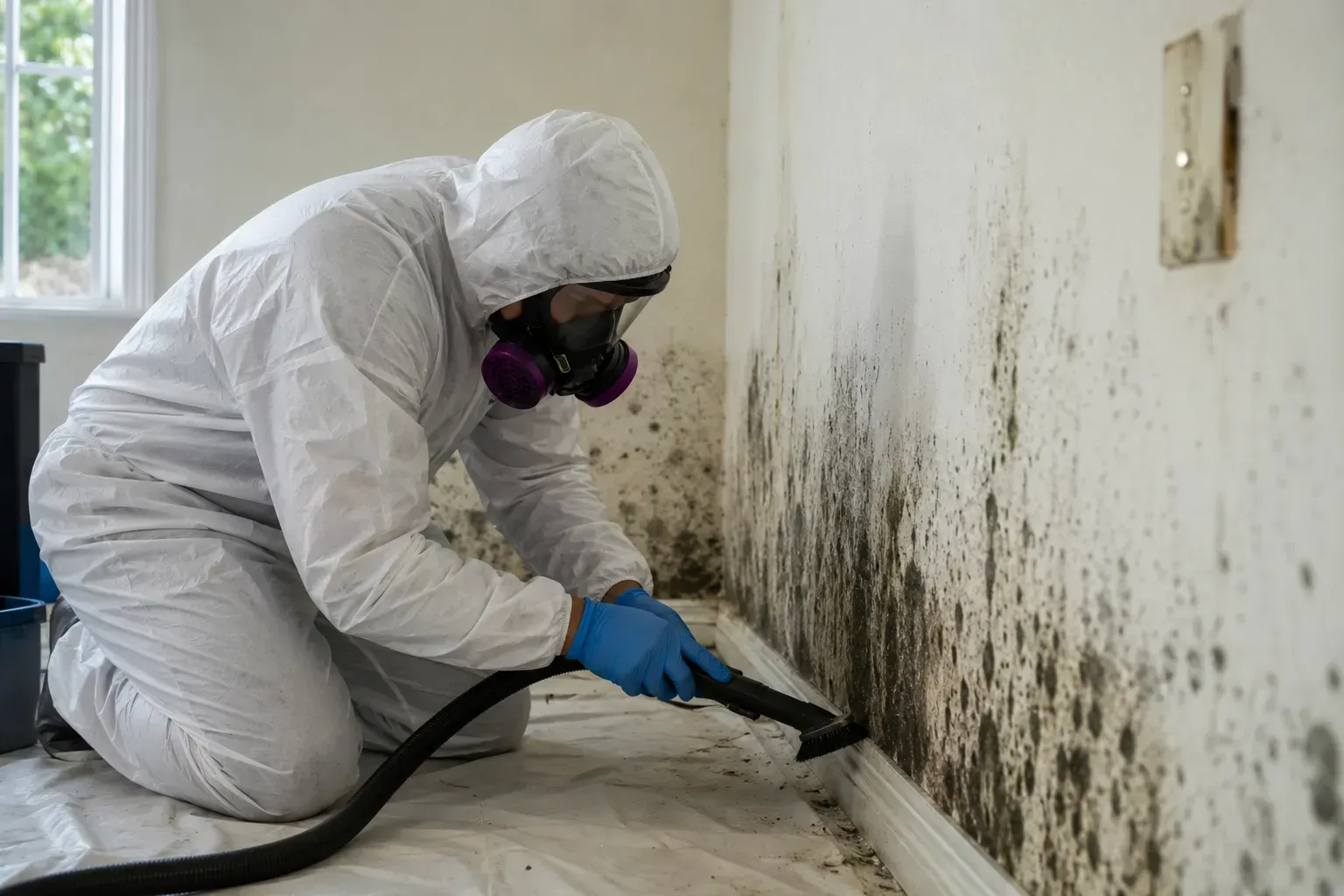
- HEPA air scrubbers and HEPA vacuums
- Protective equipment for technicians
- Controlled removal of contaminated materials
- Thorough cleaning and drying before reoccupancy
These steps help ensure that mold is removed safely while keeping contamination from spreading to other areas of the property.
How Long Should Children and Pets Stay Away?
The amount of time children and pets should stay away depends on the scope of the remediation project. For small contained areas, it may only be necessary to keep them out of the affected room until the work is complete and the area has been cleaned thoroughly.
For larger remediation projects, contractors may recommend that children and pets remain away from the property until containment has been removed, the area has been cleaned, and the air filtration process has been completed. In some cases, this may be a day or two, while more extensive projects may require additional time.
Your remediation contractor should provide clear guidance about when it is safe to return to the affected areas of the home.
Signs You Should Schedule Professional Mold Remediation Services
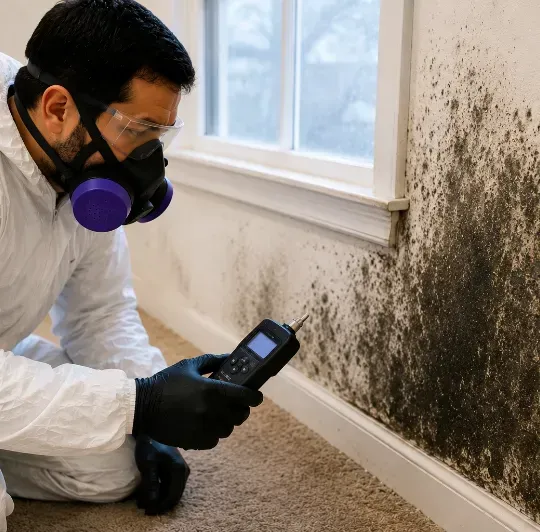
If you have children or pets in the home, it is especially important not to ignore signs of mold growth. Professional help should be considered if you notice persistent musty odors, visible mold that continues spreading, recent flooding or water damage, peeling paint or damp drywall, worsening allergy symptoms indoors, or mold growth around HVAC vents or ductwork.
Addressing these warning signs early can help reduce exposure and prevent the contamination from becoming more extensive.
Why Professional Mold Remediation Is Safer Than DIY Cleanup
Many homeowners attempt to clean mold themselves using bleach or household cleaners. While this may remove surface stains temporarily, DIY cleanup often disturbs mold spores and spreads them throughout the home, especially when contaminated materials are scrubbed, sanded, or removed without proper containment.
Professional mold remediation services use specialized equipment, containment systems, and air filtration methods that are designed to reduce airborne contamination during the cleanup process. Professionals also identify hidden moisture problems that may allow mold to return after surface cleaning.
For families with children and pets, professional remediation is usually the safer option because it focuses on both removing the mold and protecting the indoor environment during the process.
Conclusion
So, is mold remediation safe for children and pets? In most cases, yes, when the work is performed by experienced mold remediation contractors who follow proper mold remediation safety procedures. Containment barriers, HEPA air filtration, controlled removal methods, and thorough cleaning are all designed to reduce exposure and improve indoor air quality after remediation is complete.
The safest approach is to have the property inspected by qualified professionals who can determine the extent of the contamination and recommend whether children or pets should avoid the affected areas during the project. Acting quickly when mold is discovered is usually safer than allowing the problem to continue growing inside the home.
If you're concerned about mold in a home where children or pets live, contact our team through our Contact page to schedule a professional inspection and learn how our professional mold remediation services can help restore a safer, healthier indoor environment for your family.
Frequently Asked Questions
1. Is mold remediation safe for children and pets?
Yes. When performed by experienced mold remediation contractors, the process is designed to be safe for children and pets. Proper containment, HEPA air filtration, and controlled cleaning procedures help reduce exposure to airborne mold spores during remediation.
2. Should children leave the house during mold remediation?
For small contained projects, children may sometimes remain in unaffected areas of the home. However, larger remediation projects involving significant mold growth or demolition may require temporary relocation until the affected area has been cleaned and declared safe for normal occupancy.
3. What mold remediation safety measures are used during cleanup?
Professional mold remediation safety measures typically include containment barriers, negative air pressure systems, HEPA air scrubbers, protective equipment for technicians, controlled removal of contaminated materials, and thorough cleaning and drying before reoccupancy.
4. Are the products used during professional mold remediation services harmful to pets?
Professional mold remediation services use products specifically designed for remediation work and apply them according to industry guidelines. Contractors also ensure treated areas are cleaned, dried, and ventilated appropriately before pets are allowed to return to the affected spaces.
5. When should I call mold remediation contractors if I have children or pets at home?
You should contact mold remediation contractors if you notice musty odors, visible mold growth, recent water damage, damp walls, or allergy symptoms that worsen indoors. Early remediation helps reduce exposure and prevents mold from spreading to other areas of the home.
Best Option Restoration