Have you discovered mold in your home and are now wondering how long the cleanup will take? This is one of the first questions most homeowners ask after scheduling an inspection. Whether the mold developed after a plumbing leak, roof damage, flooding, or long-term humidity, the timeline can vary depending on the condition of the property.
For homeowners searching for mold remediation services in Conroe, understanding the typical timeline helps reduce uncertainty and allows you to plan for repairs, temporary disruptions, or follow-up restoration work. Some mold problems can be resolved quickly, while others require several stages of inspection, containment, drying, removal, and restoration.
In this guide, we'll explain how long does mold remediation take, what affects the schedule, and what to expect during each step of the mold remediation process.
Why Mold Remediation Timelines Vary
No two mold remediation projects are exactly the same. A small area of mold caused by a minor plumbing leak requires a very different approach than widespread contamination after flooding or long-term moisture intrusion. The amount of mold present, the type of materials affected, and the source of moisture all influence the timeline.
Another important factor is how quickly the problem is discovered. Mold that is identified within a few days of water damage is often easier and faster to remediate than mold that has been growing behind walls or beneath flooring for several months. Early detection usually means less contamination, fewer repairs, and a shorter remediation schedule.
This is why professional inspections are so important. They help determine the actual extent of the damage before work begins, allowing homeowners to receive a more accurate estimate of how long the project may take.
The Typical Mold Remediation Timeline
Most mold remediation services in Conroe follow a similar sequence of steps. Understanding these stages can help homeowners know what to expect during the project and why some jobs take longer than others.
Inspection and Assessment
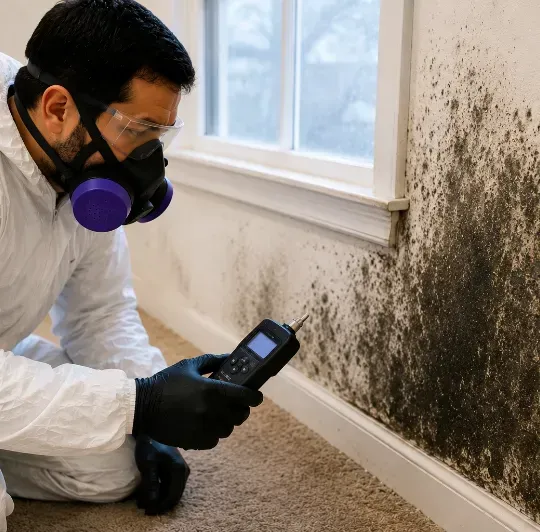
The first step is a detailed inspection of the affected areas. Technicians look for visible mold, signs of hidden moisture, water damage, and the conditions that allowed mold to grow. Moisture meters and thermal imaging equipment may be used to identify damp areas behind walls or under flooring.
This stage is usually completed relatively quickly, but larger homes or properties with extensive water damage may require additional time for a thorough assessment. The inspection helps determine the scope of the mold remediation process and allows professionals to create the appropriate remediation plan.
Containment and Preparation
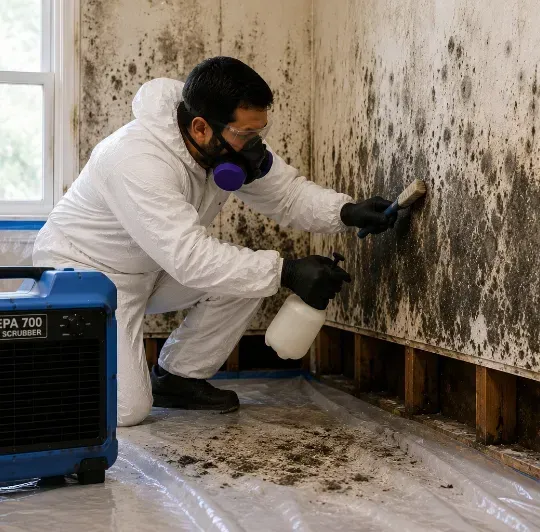
Once the inspection is complete, the affected area is isolated to prevent mold spores from spreading to other parts of the home. Plastic barriers, sealed openings, negative air pressure systems, and HEPA air scrubbers are commonly used during this stage.
Proper containment is an important safety measure and is one reason professional remediation takes longer than simple surface cleaning. Preparing the work area carefully helps protect the rest of the property while mold removal is underway.
Mold Removal and Cleaning
The actual mold removal phase depends on how much contamination is present. Small areas may require only specialized cleaning, while larger infestations may involve removing drywall, insulation, carpeting, or other porous materials that cannot be restored safely.
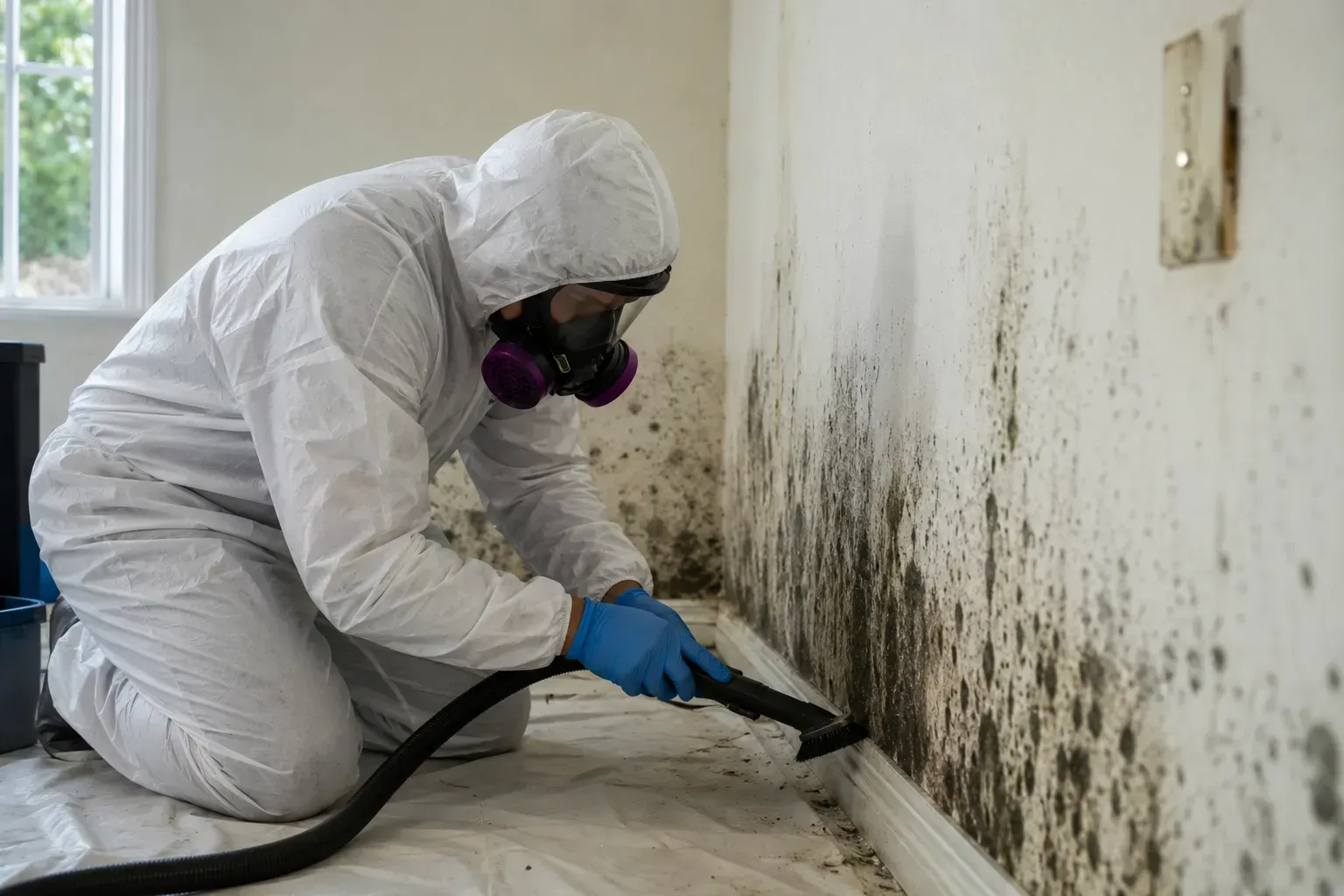
After contaminated materials are removed, the remaining surfaces are cleaned using HEPA vacuums, antimicrobial treatments, and other professional cleaning methods. This step helps remove mold spores that may remain on nearby surfaces and improves indoor air quality throughout the affected area.
Drying and Restoration
If water damage is involved, drying the property often takes as long as the mold removal itself. Commercial dehumidifiers and air movers are used to remove moisture trapped inside walls, flooring, and structural materials. Professionals monitor moisture levels until the affected materials reach acceptable drying standards.
Once the area is dry, restoration work can begin. This may include replacing drywall, insulation, flooring, trim, or repainting affected surfaces. The amount of restoration required has a significant impact on the overall project timeline.
What Affects How Long Mold Remediation Takes?
Several factors can make a remediation project faster or slower. The size of the affected area is one of the biggest considerations because larger contaminated areas require more labor, containment, and cleaning. Mold hidden behind walls or beneath flooring also takes longer to access than mold growing on exposed surfaces.
The most common factors include:
- The size of the affected area
- The amount of water damage present
- Whether mold is hidden behind walls or under flooring
- How much drying time is required
- Whether damaged materials need replacement
Homes that require extensive drying or reconstruction naturally take longer to complete than projects involving only minor surface contamination. For homeowners asking how long does mold remediation take, the most accurate answer is that the timeline depends on the severity of the mold problem and the repairs needed after remediation.
Can Mold Remediation Be Completed in One Day?
In some situations, yes. Very small, isolated mold problems on accessible surfaces may be cleaned and treated within a single day if there is no significant water damage and no major repairs are required. However, these cases are relatively uncommon.
Most professional remediation projects involve multiple stages, including inspection, containment, cleaning, drying, and verification. Even if the mold removal itself is completed quickly, drying and restoration may require additional time to ensure the problem has been addressed properly. Rushing the process can increase the risk of mold returning later.
Signs the Project May Take Longer
Certain warning signs often indicate that remediation may require additional time. These include strong musty odors throughout the home, mold growth in multiple rooms, water damage that was not dried quickly, soft or crumbling drywall, warped flooring, or mold affecting HVAC systems, crawl spaces, or attics.
You should expect a longer remediation timeline if:
- Mold is affecting more than one room
- Drywall or flooring needs replacement
- The property experienced significant flooding or water intrusion
- Mold is present in HVAC systems, attics, or crawl spaces
When these conditions are present, technicians may need to remove additional materials, perform more extensive cleaning, or allow extra drying time before restoration can begin. Identifying these issues early helps homeowners prepare for a longer remediation schedule if necessary.
Why Professional Mold Remediation Services Matter
Although homeowners sometimes want the fastest possible solution, proper remediation is more important than speed alone. Mold remediation services in Conroe follow a structured process designed to remove mold safely, prevent cross-contamination, correct moisture problems, and reduce the chance of future mold growth.
Experienced professionals use specialized equipment that most homeowners do not have access to, including moisture detection tools, HEPA filtration systems, commercial drying equipment, and containment materials. Their expertise helps ensure the mold remediation process is completed thoroughly rather than simply covering up the visible mold temporarily.
Choosing professional remediation often saves time in the long run by reducing the likelihood of recurring mold problems and additional repairs later.
How to Help Speed Up the Mold Remediation Process
Homeowners can help the process move more efficiently by acting quickly when water damage occurs, providing clear access to affected areas, sharing information about previous leaks or flooding, and avoiding attempts to disturb or clean large mold areas before professionals arrive. Prompt action after discovering mold often results in a shorter and less expensive remediation project.
If you've experienced recent water damage or noticed signs of mold growth, don't wait for the problem to spread further. Early intervention is usually the best way to minimize both the remediation timeline and the overall damage to your property.
Conclusion
The answer to how long does mold remediation take depends on several factors, including the size of the affected area, the amount of water damage, the location of the mold, and the repairs required after remediation. While some small projects may be completed quickly, many homes require several stages of inspection, containment, cleaning, drying, and restoration to ensure the mold problem has been resolved properly.
For homeowners seeking mold remediation services in Conroe, working with experienced professionals provides the most accurate timeline and helps ensure the mold remediation process is completed safely and thoroughly. Taking action early can reduce property damage, improve indoor air quality, and help restore your home more efficiently.
If you suspect mold in your home or business, contact our team through our Contact page to schedule a professional inspection and receive a customized remediation plan based on your property's specific needs.
Frequently Asked Questions
1. How long do mold remediation services in Conroe usually take?
Most mold remediation services in Conroe take anywhere from one day to several days, depending on the size of the affected area, the amount of mold present, the extent of water damage, and the repairs required after remediation.
2. What is the first step in the mold remediation process?
The first step in the mold remediation process is a professional inspection and moisture assessment. Technicians identify visible mold, locate hidden moisture, determine the source of the problem, and create a remediation plan based on the extent of contamination.
3. Can mold remediation be completed in one day?
Small, isolated mold problems may sometimes be completed in a single day if there is no significant water damage and no major repairs are needed. Larger mold problems usually require additional time for containment, cleaning, drying, and restoration.
4. Why does water damage make mold remediation take longer?
Water damage often leaves moisture trapped inside walls, flooring, or structural materials. Before mold remediation can be completed safely, these materials must be thoroughly dried, which can add several days to the overall remediation timeline.
5. How can I reduce the time needed for mold remediation?
Acting quickly after discovering water damage or mold growth is the best way to shorten the remediation timeline. Prompt inspections, repairing leaks early, and avoiding disturbance of affected areas can help mold remediation services in Conroe address the problem more efficiently.
Best Option Restoration