Discovering mold in your home after a flood, burst pipe, roof leak, or major water intrusion can be overwhelming. Many homeowners panic when they see mold spreading quickly across walls, ceilings, or flooring and wonder what will happen next. The first 24 hours are often the most important part of emergency mold remediation because fast action can help prevent mold from spreading further and reduce the amount of damage to your property.
Professional remediation companies are trained to respond quickly when moisture and mold create an urgent situation. Understanding what happens during those first few hours can help you feel more prepared and know what to expect when a mold remediation specialist arrives at your property.
In this guide, we'll walk through the first 24 hours of the mold remediation process, explain the steps mold remediation contractors typically take, and show why emergency response is so important after water damage.
Why the First 24 Hours Matter
Mold can begin growing within 24 to 48 hours after water exposure if moisture is not removed quickly. During the early stages, mold may still be limited to a smaller area, which often makes remediation easier and less expensive than waiting several days or weeks.
When water remains trapped inside drywall, insulation, wood, or flooring, mold spores already present in the air begin multiplying rapidly. The longer the moisture remains, the greater the chance that mold will spread to additional rooms and hidden areas behind walls or under flooring.
This is why emergency mold remediation focuses on immediate inspection, moisture control, containment, and drying rather than waiting for visible mold to become widespread throughout the property.
Hour 1-2: Emergency Assessment and Safety Check
When mold remediation contractors arrive, the first priority is assessing the situation and making sure the property is safe to enter. Technicians look for active water leaks, electrical hazards, structural concerns, and areas where mold growth is already visible.
They will ask questions about when the water damage occurred, what caused it, and whether any cleanup has already been attempted. This information helps determine how long moisture has been present and how extensive the contamination may be.
The initial assessment also helps the remediation team decide what equipment, containment measures, and drying procedures will be needed during the rest of the emergency response.
Hour 2-6: Inspection and Moisture Detection
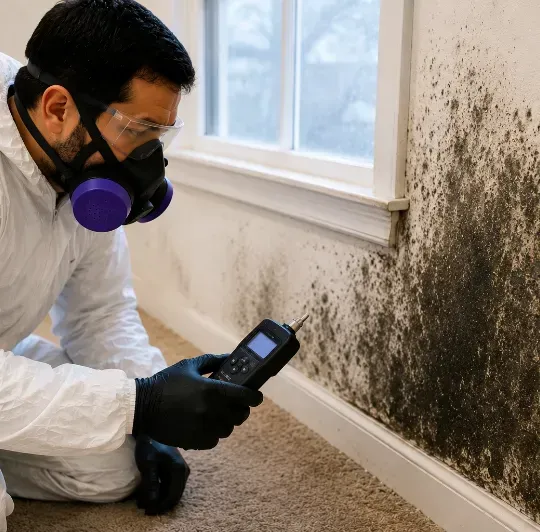
After the safety check, technicians perform a more detailed inspection to identify all affected areas. Visible mold is only part of the problem because moisture often spreads beyond the obvious damaged surfaces.
A mold remediation specialist may use moisture meters, thermal imaging cameras, and humidity sensors to locate damp areas inside walls, ceilings, flooring, and other building materials. These tools help identify hidden moisture that could allow mold to continue growing even after surface cleanup.
Finding all affected areas early is a critical part of the mold remediation process because untreated hidden moisture is one of the main reasons mold problems return after incomplete cleanup.
Hour 6-12: Containment and Air Filtration
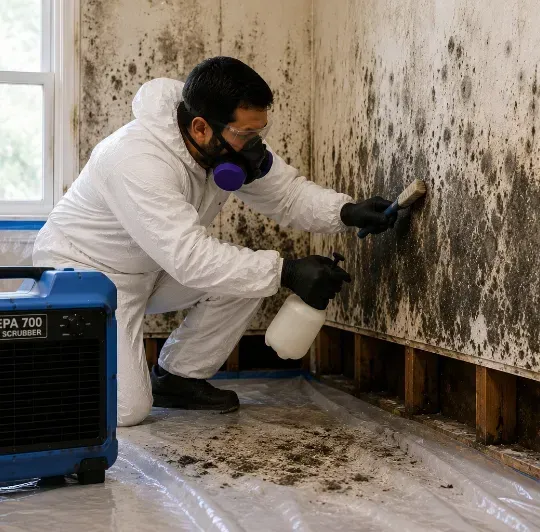
Once the affected areas have been identified, the next step is preventing mold spores from spreading to the rest of the property. During emergency mold remediation, containment is established as quickly as possible to protect unaffected rooms.
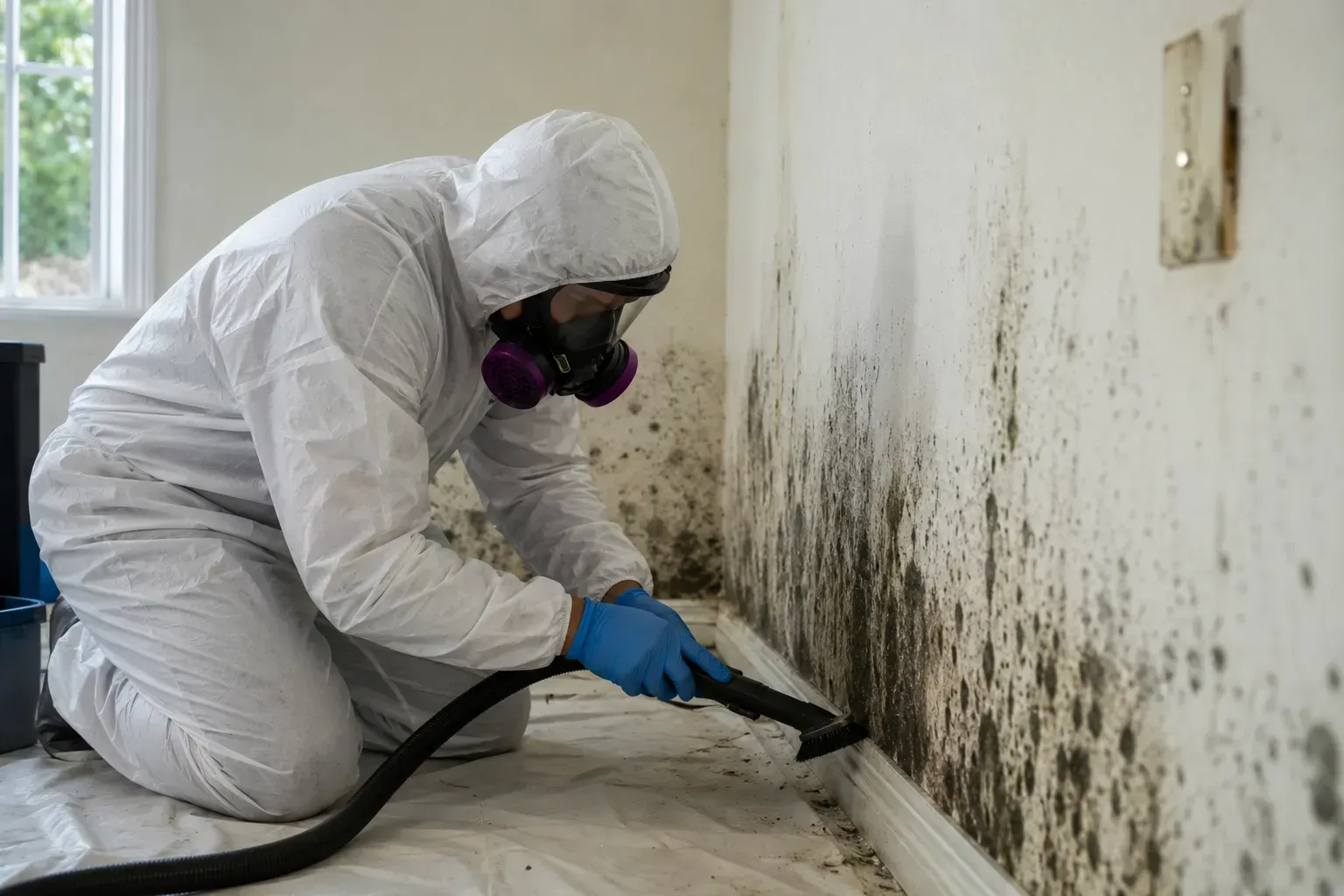
Professionals typically install plastic barriers around contaminated areas, seal vents or openings if necessary, and set up negative air pressure systems. HEPA air scrubbers are also placed inside the containment area to capture airborne mold spores released during cleanup and drying.
This stage is especially important in homes with children, pets, elderly occupants, or individuals with respiratory sensitivities because it helps reduce the spread of airborne contamination throughout the property.
Hour 12-18: Water Removal and Drying Begins
If standing water or significant moisture is still present, technicians begin extracting water and starting the drying process immediately. Removing excess moisture quickly is one of the most effective ways to stop mold from spreading further.
Commercial-grade air movers and dehumidifiers are positioned strategically throughout the affected areas to pull moisture from walls, flooring, insulation, and structural materials. Moisture levels are monitored regularly to ensure the drying process is working effectively.
At this stage of the mold remediation process, the focus is usually on stabilizing the environment rather than completing all remediation work in a single day. Proper drying often continues for several days after the initial emergency response.
Hour 18-24: Initial Mold Removal and Cleanup Planning
By the end of the first 24 hours, mold remediation contractors have usually completed the emergency stabilization phase. If mold contamination is limited and easily accessible, they may begin removing affected materials and cleaning contaminated surfaces during this period.
For larger projects, the first day is often used to prepare a detailed remediation plan that outlines which materials need removal, how long drying is expected to take, what restoration work may be required, and whether additional testing or monitoring is recommended.
Homeowners should expect clear communication from the remediation team about the next steps, estimated timelines, and any precautions that should be followed while the project is ongoing.
What Homeowners Should Do During the First 24 Hours
While waiting for professional help, there are a few important steps homeowners can take to support emergency mold remediation efforts safely.
- Stop the water source if it is safe to do so
- Avoid touching or disturbing visible mold
- Do not use household fans that may spread spores to other rooms
- Remove valuable items from unaffected areas if possible
- Keep children and pets away from the contaminated space
Avoid attempting major cleanup yourself, especially if the affected area is large or if water damage has been present for more than a day. Disturbing mold without proper containment can spread spores throughout the home.
Signs You Need Immediate Emergency Mold Remediation
Not every mold problem requires an emergency response, but certain situations should be treated as urgent. You should contact a mold remediation specialist immediately if you notice a strong musty odor after flooding or water damage, visible mold spreading rapidly across walls or ceilings, water damage affecting multiple rooms, soaked drywall, insulation, or carpeting, mold growth around HVAC systems or air vents, or standing water that has remained for more than 24 hours.
These conditions increase the risk of widespread contamination and often require prompt professional intervention to prevent more extensive property damage.
Why Professional Emergency Response Is Worth It
The biggest advantage of hiring experienced mold remediation contractors is that they know how to respond quickly while protecting both the property and the occupants. Professional teams have specialized equipment for moisture detection, water extraction, containment, air filtration, drying, and safe mold removal.
A qualified mold remediation specialist also understands how mold behaves after water damage and can identify hidden contamination that homeowners may overlook. This comprehensive approach helps reduce the risk of recurring mold problems and additional repair costs later.
Attempting to handle a major mold emergency without professional equipment often delays proper drying and allows contamination to spread further throughout the property.
What Happens After the First 24 Hours?
The first day is only the beginning of the mold remediation process. After the emergency stabilization phase, technicians continue drying affected materials, remove contaminated drywall or insulation if necessary, clean and sanitize remaining surfaces, monitor moisture levels, and complete restoration work such as replacing drywall, flooring, or trim.
The total timeline depends on the size of the affected area, the extent of water damage, and the amount of reconstruction required after remediation. Your contractor should provide a more accurate estimate once the property has been fully assessed and stabilized.
Conclusion
The first 24 hours of emergency mold remediation are focused on protecting your home from further damage. Professional mold remediation contractors begin with an emergency assessment, locate hidden moisture, establish containment, start air filtration and drying, and create a plan for the remaining remediation work. Acting quickly during this critical period can help limit mold growth, reduce restoration costs, and improve the chances of a successful recovery after water damage.
If you've experienced flooding, a burst pipe, roof damage, or sudden mold growth, don't wait for the problem to spread further. Contact our team through our Contact page to schedule immediate professional mold remediation services and receive expert guidance during the most important first 24 hours of the recovery process.
Frequently Asked Questions
1. What happens during emergency mold remediation in the first 24 hours?
During emergency mold remediation, professionals typically perform a safety assessment, inspect for hidden moisture, establish containment, begin air filtration, start drying affected areas, and create a remediation plan for any contaminated materials that need removal or cleaning.
2. Why is the first day so important in the mold remediation process?
The first day is critical because mold can begin spreading rapidly after water damage. Acting quickly helps control moisture, reduce contamination, prevent mold from spreading to additional areas, and make the overall mold remediation process faster and less expensive.
3. Should I stay in my home during emergency mold remediation?
It depends on the size of the affected area and the extent of contamination. Mold remediation contractors may recommend staying out of the work area or temporarily leaving the home if extensive containment, demolition, or drying equipment is required for safety reasons.
4. What does a mold remediation specialist do during an emergency call?
A mold remediation specialist inspects the property, identifies moisture sources, uses equipment such as moisture meters and thermal imaging cameras, recommends containment measures, begins drying procedures, and develops a plan to remove mold safely and prevent it from returning.
5. Can emergency mold remediation stop mold from spreading completely?
Yes. Prompt emergency mold remediation can significantly reduce the spread of mold by removing excess moisture quickly, isolating contaminated areas, using HEPA air filtration, and starting professional drying and cleanup procedures before the contamination becomes more extensive.
Best Option Restoration