Flooding in Texas can turn life upside down within hours. Beyond the visible destruction, one of the most dangerous and fast-growing threats after a storm is mold. For homeowners and business owners alike, mold begins developing within 24–48 hours after water exposure making immediate action critical.
If you’re searching for emergency mold removal Montgomery, you’re likely dealing with a time-sensitive situation that requires urgent professional attention. Mold is not just a surface problem it spreads quickly, affects air quality, and can cause serious health concerns if not addressed properly.
This guide is designed to help flood victims and disaster recovery seekers understand what to do immediately after a storm, how mold develops, and how to take the right steps toward safe and effective recovery.
Why Mold Becomes a Serious Problem After Floods
Floodwater brings more than just moisture; it carries contaminants, bacteria, and debris that create the perfect environment for mold growth. Once water seeps into walls, flooring, insulation, and furniture, mold spores begin to multiply rapidly.
The real danger lies in how quickly mold spreads. Within just a couple of days, it can move from a small affected area to an entire section of your property.
Post-flood mold can lead to:
- Respiratory issues and allergic reactions
- Structural damage to walls, ceilings, and flooring
- Contamination of personal belongings
- Long-term indoor air quality problems
- Increased restoration costs if delayed
This is why immediate storm response remediation is essential after any flooding event.
The First 24–48 Hours: What You Must Do Immediately
The actions you take in the first two days after flooding can significantly reduce mold growth and damage. Time is your biggest enemy and your greatest opportunity.
Start by ensuring safety. Turn off electricity in affected areas and avoid direct contact with contaminated water. Once it’s safe, begin removing standing water and drying out the property as quickly as possible.
Ventilation is critical. Open windows, use fans, and deploy dehumidifiers to reduce moisture levels. However, these steps alone are often not enough in severe flooding situations.
Hidden Moisture: The Biggest Risk After Flooding
One of the most overlooked dangers after a flood is hidden moisture. Water doesn’t just stay on surfaces it seeps into porous materials like drywall, insulation, carpets, and wood.
Even if your property looks dry, moisture trapped behind walls or under flooring can continue to fuel mold growth. This is why many property owners experience mold outbreaks days or even weeks after the initial flood.
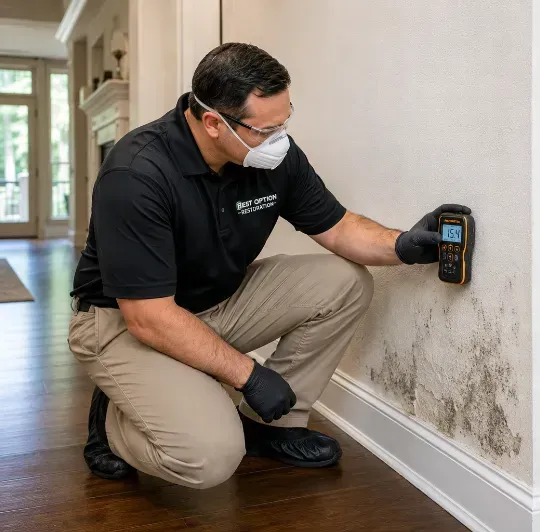
A professional emergency restoration company offering flood damage restoration services, uses advanced tools such as moisture meters and thermal imaging to accurately detect hidden water and prevent long-term structural damage and mold growth.
Why DIY Mold Cleanup Often Fails
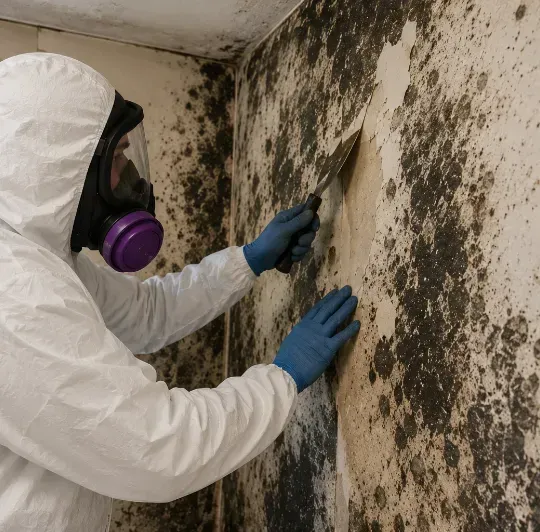
After a flood, many people attempt to clean mold themselves using household cleaners. While this may remove visible mold temporarily, it does not eliminate spores or address the underlying moisture problem. Mold roots (hyphae) penetrate deep into porous materials like drywall, wood, and carpets areas that basic cleaning simply cannot reach.
DIY cleanup often leads to:
- Incomplete mold removal
- Cross-contamination to other areas
- Exposure to harmful spores
- Recurring mold growth
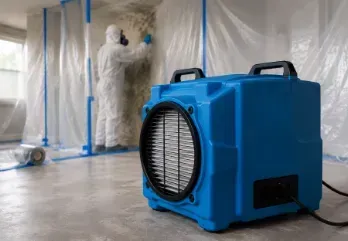
Another major issue is the lack of proper containment. Without professional-grade barriers and air filtration, mold spores will become airborne and spread throughout the property during cleaning attempts. This often turns a small problem into a much larger and more expensive one.
Professional teams offering restoration services near me are trained to handle hazardous environments safely and effectively. They follow strict protocols, use HEPA filtration systems, and apply industrial-grade antimicrobial treatments to fully eliminate mold at its source ensuring it does not return.
The Role of Emergency Mold Removal Services
When dealing with post-flood mold, speed and expertise are everything. Emergency services are designed to respond quickly and prevent further damage before it escalates into a structural or health crisis.
Emergency mold removal includes:
- Rapid inspection and damage assessment
- Water extraction and drying
- Mold containment and removal
- Air filtration and purification
- Sanitization and restoration
In addition to these steps, emergency teams also focus on identifying the root cause of moisture intrusion. Without addressing this, mold can return even after removal. Advanced tools like thermal imaging and moisture mapping allow professionals to detect hidden water pockets that are often missed during DIY efforts.
Choosing a trusted provider for emergency mold removal Montgomery ensures that your property is handled with urgency, precision, and long-term protection in mind.
Understanding the Mold Remediation Process
Knowing what to expect during remediation can reduce stress and help you make informed decisions during an already difficult time. A structured, professional approach ensures that no part of the contamination is overlooked.
Inspection and Damage Assessment
Experts assess the extent of water damage and mold growth using specialized equipment. This step is critical for creating an effective remediation plan. It also helps prioritize high-risk areas that require immediate attention.
Containment of Affected Areas
Containment prevents mold spores from spreading to unaffected parts of the property. This is especially important in occupied spaces where cross-contamination can impact larger areas quickly.
Air Filtration
High-efficiency air filtration systems remove airborne spores, improving indoor air quality during the cleanup process. This step is essential for protecting occupants and workers during remediation.
Mold Removal and Cleaning
Contaminated materials are removed, and surfaces are treated with antimicrobial solutions to eliminate mold colonies. Non-porous materials are cleaned thoroughly, while heavily affected porous materials are safely disposed of.
Drying and Dehumidification
Industrial drying equipment ensures all moisture is removed, reducing the risk of future mold growth. This phase is crucial because even slight residual moisture can restart the mold cycle.
Restoration and Repairs
Damaged areas are repaired or replaced, restoring the property to a safe and livable condition through complete storm response remediation. This final step ensures your space is not only mold-free but also structurally sound and ready for occupancy.
Health Risks of Post-Flood Mold Exposure
Mold exposure is not just an inconvenience, it can have serious health implications, especially for children, elderly individuals, and those with pre-existing conditions. Flood-related mold is often more dangerous because it may contain bacteria and toxins carried by contaminated water.
Common symptoms include coughing, sneezing, skin irritation, headaches, and breathing difficulties. Prolonged exposure can worsen asthma and other respiratory conditions. In some cases, individuals may experience chronic sinus infections or fatigue due to continuous exposure to mold spores.
What makes mold particularly dangerous is that its effects are not always immediate. Many people continue living or working in contaminated environments without realizing the long-term impact on their health.
This makes immediate professional intervention essential not just for your property, but for your health and safety.
Why Fast Action Saves Money and Property
Delaying mold remediation can significantly increase the cost of restoration. What starts as a localized issue can quickly spread, requiring more extensive repairs and longer downtime.
Acting quickly helps:
- Reduce structural damage
- Lower overall repair costs
- Protect valuable belongings
- Prevent long-term health risks
- Speed up recovery time
Choosing the Right Emergency Restoration Partner
Not all restoration companies are equipped to handle post-flood mold emergencies. Choosing the right partner can make all the difference in how quickly and effectively your property is restored.
Look for providers who offer:
- 24/7 emergency response
- Hold the correct Texas TDLR licenses
- Experience with flood damage restoration Texas
- Certified technicians and advanced equipment
- Comprehensive services from cleanup to restoration
- Transparent communication and quick turnaround times
A reliable team providing restoration services near me will guide you through every step of the recovery process.
Preventing Mold After Flood Recovery
Once your property has been restored, taking preventive measures is essential to avoid future mold issues.
Ensure all repairs are properly completed and that moisture sources are eliminated. Regular inspections can help identify potential problems early.
Maintaining proper ventilation and controlling indoor humidity levels are also key to long-term prevention. Even after professional remediation, staying proactive can protect your property from recurring damage.
Final Thoughts
Recovering from a flood is overwhelming, but addressing mold quickly can make a significant difference in how smoothly the process goes. Mold spreads fast, but with the right response, it can be contained and eliminated effectively.
Professional emergency mold removal Montgomery services provide the speed, expertise, and equipment needed to restore your property safely.
If you're dealing with post-flood mold, don’t delay, visit our contact page now to request immediate assistance and get your property inspected by restoration experts.
Frequently Asked Questions (FAQs)
How quickly does mold grow after a flood?
Mold can begin to grow within 24–48 hours after water exposure. Immediate action is crucial to prevent widespread contamination.
What should I do first after flooding?
Ensure safety, stop the water source if possible, remove standing water, and contact professionals for emergency mold removal and restoration.
Can I stay in my home during mold remediation?
It depends on the severity of the mold. In many cases, affected areas are isolated, but severe contamination may require temporary relocation.
How do professionals detect hidden mold?
Experts use moisture meters, infrared cameras, and air quality testing to identify mold in hidden areas like walls and flooring.
Is floodwater mold more dangerous?
Yes. Floodwater often contains contaminants that increase the health risks associated with mold exposure.
How long does emergency mold remediation take?
The timeline varies depending on the extent of damage, but most projects take several days to a couple of weeks.
Will mold return after remediation?
Mold will not return if the underlying moisture issue is properly addressed. Prevention is key to long-term results.
Best Option Restoration