Have you ever noticed dark spots on a wall, ceiling, or bathroom corner and immediately wondered if it was black mold?
Many homeowners panic when they hear the term "black mold." The internet is full of warnings about toxic mold, serious health risks, and expensive remediation projects. At the same time, many homes contain other common types of mold that may not carry the same level of concern.
The challenge is that most homeowners cannot identify mold simply by looking at it. What appears to be black mold may actually be a different species, while some dangerous moisture problems may be hiding behind walls where no mold is visible at all.
Understanding the difference between black mold and household mold can help you make better decisions about your property. More importantly, it helps you know when professional mold removal services may be necessary to protect your home and indoor air quality.
What Is Mold?
Mold is a naturally occurring fungus that grows wherever moisture and organic material are present. Mold spores exist almost everywhere, both indoors and outdoors. Under normal conditions, these spores remain harmless.
Problems begin when excess moisture enters a home. Leaks, flooding, roof damage, plumbing failures, high humidity, or poor ventilation can create the ideal environment for mold growth.
Once moisture is present, mold can begin developing within 24 to 48 hours. It spreads by releasing microscopic spores into the air, allowing colonies to expand into other areas of the property.
This is why moisture control is one of the most important parts of mold prevention.
What Is Black Mold?
The term "black mold" is commonly used to describe a mold species known as Stachybotrys chartarum.
This mold typically appears dark green or black and is often found on materials that have experienced long-term water exposure. Drywall, wood, insulation, ceiling tiles, and other porous building materials can support its growth when moisture remains present for extended periods.
Black mold usually develops in areas where water damage has gone unnoticed for weeks or months. Unlike some molds that grow quickly on surface moisture, black mold often indicates a more significant moisture issue within the structure.
Because of its appearance and reputation, homeowners frequently associate any dark-colored mold with black mold. However, proper identification requires professional testing rather than visual observation alone.
What Is the Common Household Mold?
Most homes contain mold species that are different from black mold.
Common household molds include species from groups such as Aspergillus, Cladosporium, and Penicillium. These molds can appear in a variety of colors, including green, white, gray, brown, yellow, or even black.
They are commonly found in bathrooms, kitchens, laundry rooms, attics, crawl spaces, and around windows where moisture levels tend to be higher.
While these molds may not receive as much attention as black mold, they can still affect indoor air quality and contribute to health symptoms when left untreated.
The important point is that any active mold growth inside a home should be addressed regardless of the specific species involved.
Can You Tell the Difference by Looking at It?
One of the biggest misconceptions about mold is that homeowners can accurately identify mold types based on appearance alone.
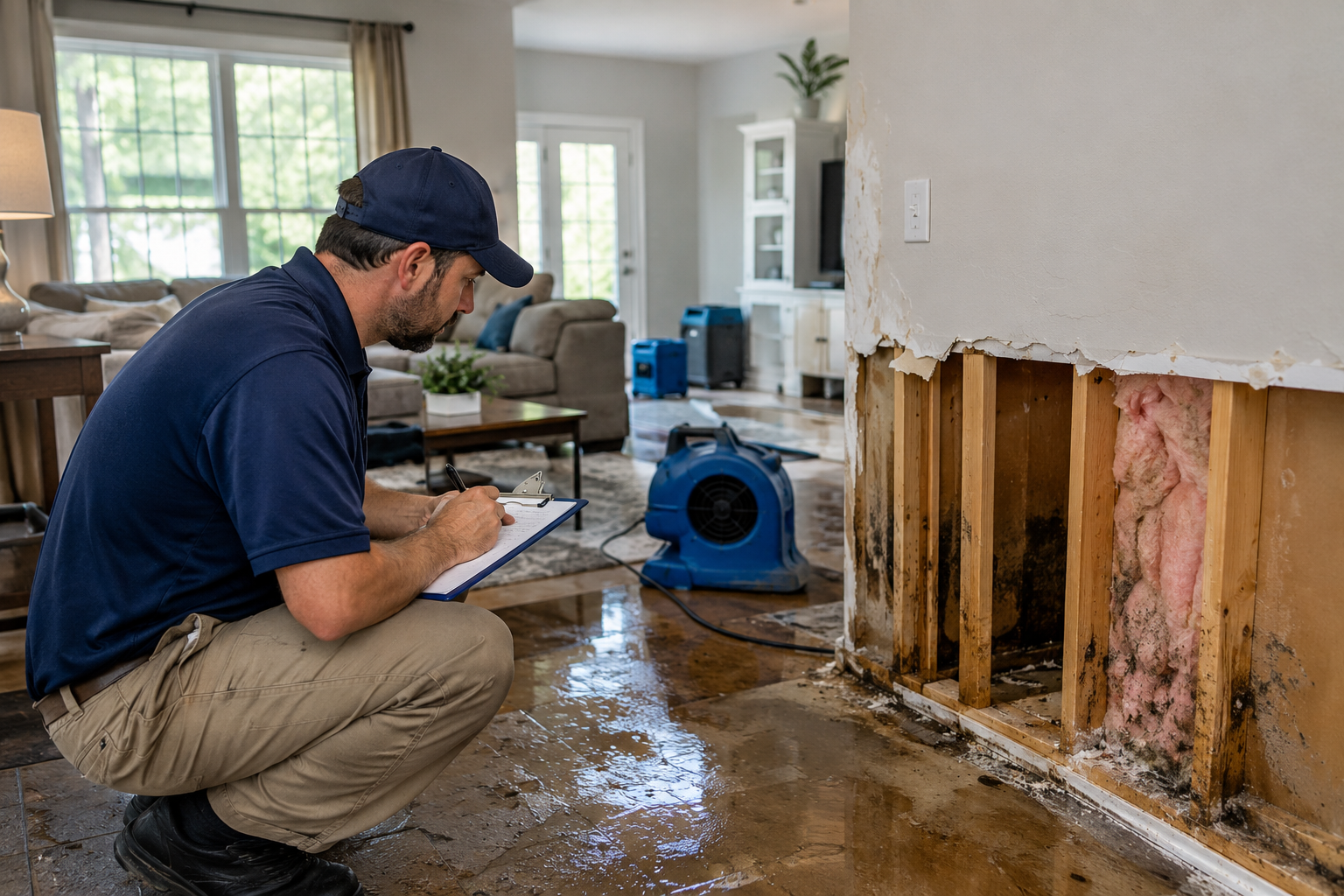
In reality, many mold species look very similar. A dark stain on drywall may be black mold, but it could also be another common mold species. Likewise, some dangerous moisture issues may exist behind walls without any visible mold growth at all.
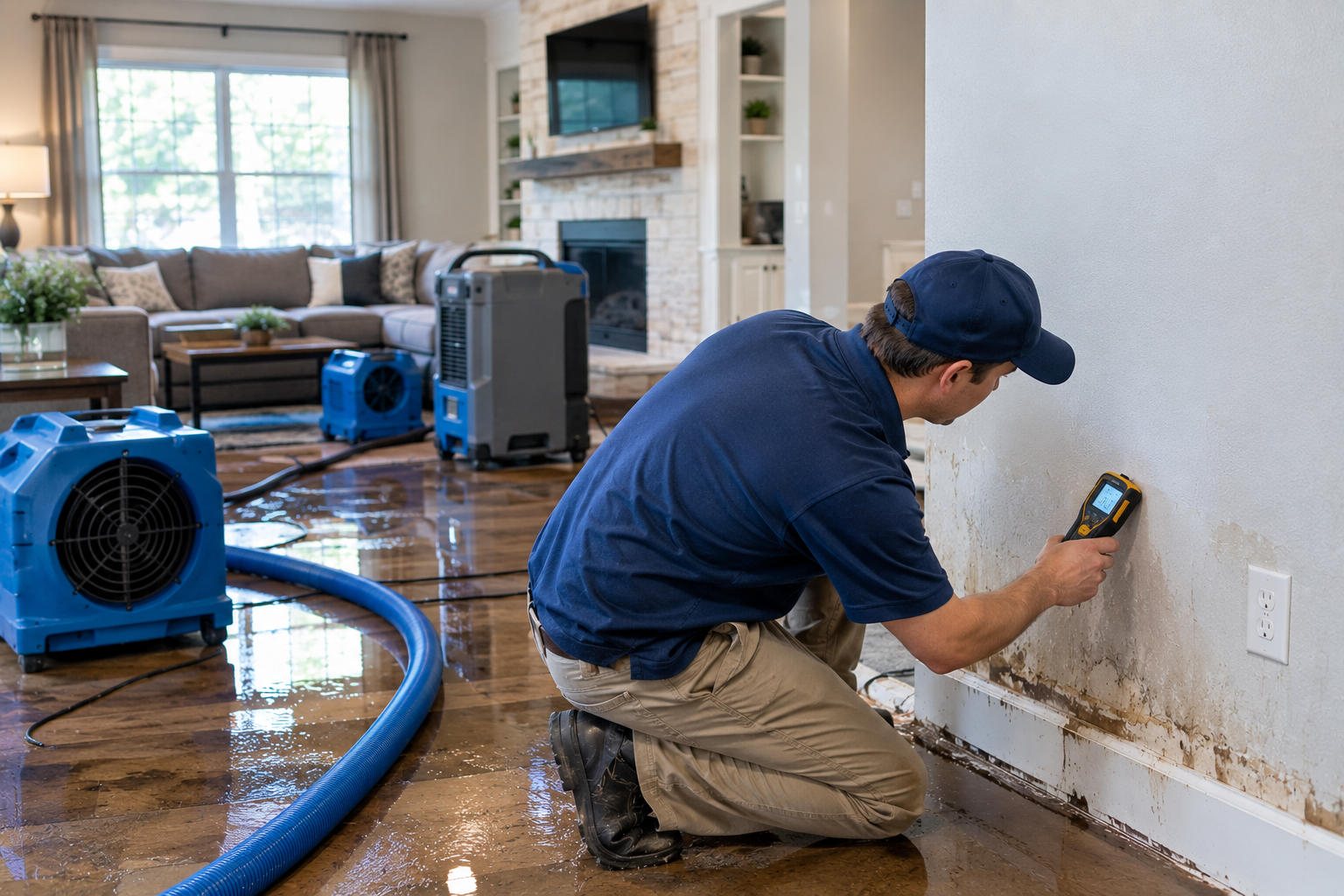
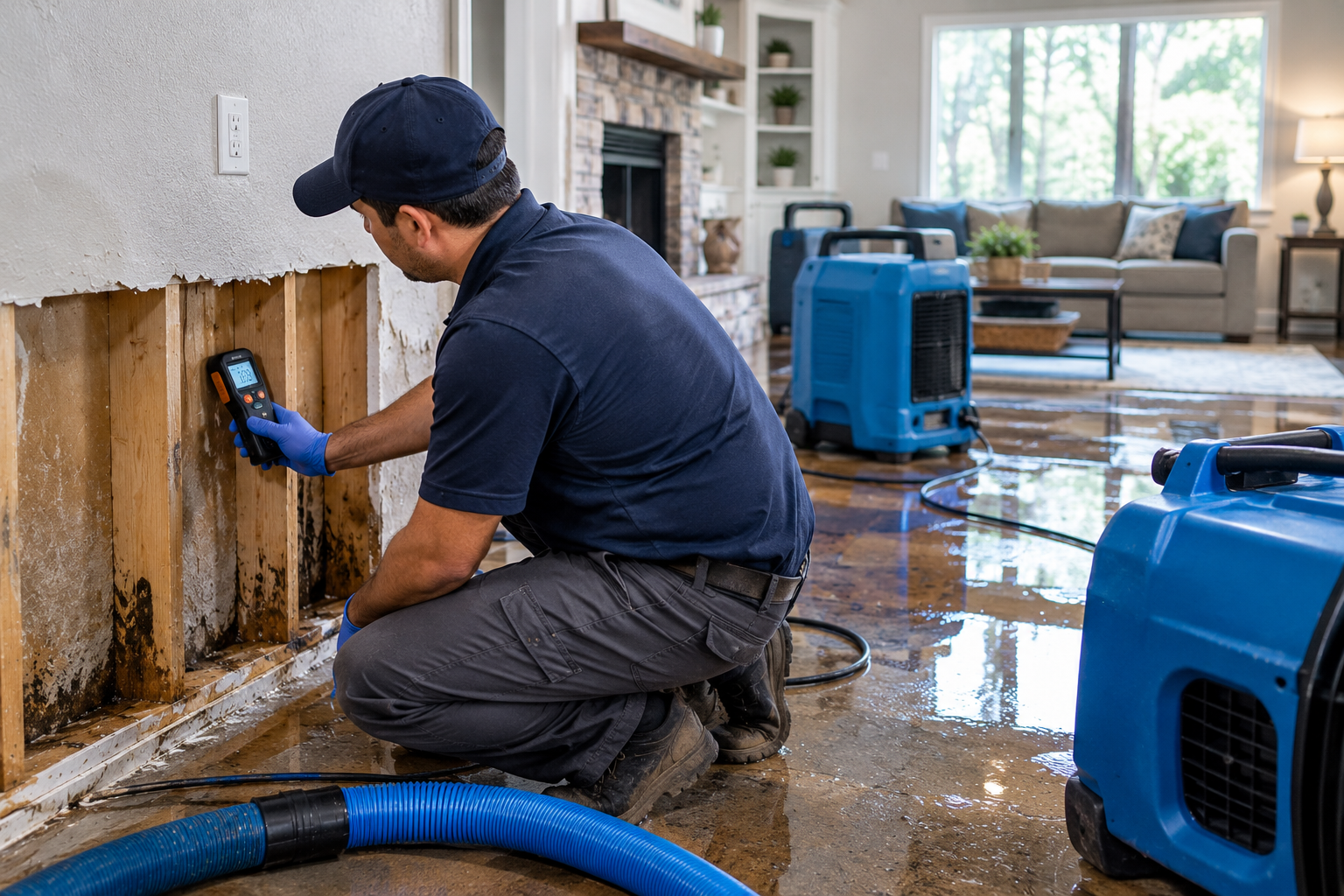
This is why visual inspection is only one part of the evaluation process. Professionals often use moisture meters, thermal imaging equipment, and laboratory testing when necessary to determine the extent of contamination and identify underlying moisture sources.
Health Concerns Associated With Mold
Whether mold is black mold or a common household mold, exposure can affect indoor air quality.
People react differently to mold depending on their sensitivity, age, and overall health. Some individuals experience no symptoms at all, while others may notice ongoing irritation.
Common symptoms associated with mold exposure include:
- Sneezing and congestion
- Runny nose
- Coughing
- Eye irritation
- Throat discomfort
- Headaches
- Increased asthma symptoms
Children, older adults, and individuals with respiratory conditions are often more sensitive to mold exposure.
Because symptoms can resemble seasonal allergies, many homeowners do not immediately recognize that indoor mold may be contributing to the problem.
Why Mold Keeps Returning
Many homeowners attempt to clean visible mold using household cleaners. While this may remove surface staining temporarily, it rarely solves the underlying issue.
Mold grows because moisture is present. If the moisture source remains active, mold often returns regardless of how many times the affected surface is cleaned.
Common causes of recurring mold include:
- Hidden plumbing leaks
- Roof leaks
- Poor ventilation
- High indoor humidity
- Condensation problems
- Water intrusion from storms
This is why successful remediation focuses on identifying and correcting moisture problems rather than simply removing visible mold.
When Do You Need Professional Mold Removal Services?
Not every mold issue requires a major remediation project. However, professional evaluation becomes important when contamination is widespread, recurring, or connected to hidden moisture.
Homeowners often seek professional mold removal services when they notice persistent odors, visible mold growth, ongoing allergy symptoms, or evidence of water damage.
Professional inspections help determine:
- The source of moisture
- The extent of contamination
- Whether mold has spread into hidden areas
- The appropriate remediation strategy
Early intervention often reduces overall costs and prevents more extensive damage later.
If you suspect mold growth or hidden moisture problems, the team at Best Option Restoration of North Houston can help assess your property and recommend the most effective solution before the issue becomes more serious.
The Role of Mold Removal Contractors
Many property owners are unsure whether to handle mold themselves or hire professionals.
Experienced mold removal contractors bring specialized equipment and knowledge that most homeowners do not have access to.
They understand how mold spreads, how moisture behaves within building materials, and how to safely contain affected areas during remediation.
Professional contractors also focus on preventing cross-contamination, which is one of the biggest risks during cleanup.
Without proper containment, mold spores can spread into previously unaffected areas of the property.
How Professional Mold Removal Services Work
Every situation is different, but most remediation projects follow a structured process.
The first step is identifying the moisture source that allowed mold growth to occur. Without fixing the moisture issue, mold will likely return.
After inspection, affected areas are isolated when necessary to prevent spores from spreading throughout the home.
Contaminated materials may be cleaned, treated, or removed depending on the severity of damage. Air filtration equipment is often used to capture airborne particles during the process.
Once remediation is complete, professionals verify that moisture levels have returned to acceptable ranges.
This systematic approach provides far better results than simply cleaning visible mold with household products.
Why Early Action Matters
Many homeowners delay dealing with mold because the problem initially appears small.
Unfortunately, mold rarely stays confined to one location when moisture remains present.
What starts as a minor issue behind a bathroom wall can gradually spread into insulation, framing, drywall, and adjacent rooms.
Early intervention helps:
- Reduce remediation costs
- Protect indoor air quality
- Prevent structural damage
- Minimize disruption to the home
- Improve long-term property value
The sooner the source of moisture is addressed, the easier remediation usually becomes.
Protecting Your Home From Future Mold Problems
Preventing mold starts with moisture management.
Regular inspections, prompt repairs, and proper ventilation can significantly reduce mold risks.
Homeowners should pay particular attention to areas that commonly experience moisture issues, including bathrooms, attics, kitchens, laundry rooms, and crawl spaces.
After heavy rain, plumbing leaks, or water damage events, it is important to ensure materials dry completely.
Many homeowners also work with professionals to evaluate moisture concerns before mold becomes visible.
Conclusion
Black mold often receives the most attention, but any mold growth inside a home should be addressed. Whether it is black mold or another household mold, excess moisture is usually the root cause.
Understanding the difference between mold types can help homeowners make informed decisions and address problems before they become more serious.
If you are concerned about mold growth or indoor air quality, you can visit our contact page to connect with experienced professionals and learn more about available professional mold removal services.
Taking action early can help prevent small mold issues from becoming costly repairs.
FAQs (Frequently Asked Questions)
1. What is the difference between black mold and common household mold?
Black mold usually refers to Stachybotrys chartarum, while common household mold includes many other mold species. Both can grow when moisture is present and should be addressed properly.
2. Are all black-colored molds toxic?
No. Many mold species appear black or dark in color. Proper testing is required to determine the exact type of mold present.
3. When should I hire professional mold removal services?
You should consider professional mold removal services when mold is widespread, keeps returning, follows water damage, or may be affecting indoor air quality.
4. Can mold come back after removal?
Yes. Mold can return if the moisture source is not corrected. Successful remediation focuses on both mold removal and moisture control.
5. Do mold removal contractors inspect for hidden moisture?
Yes. Professional mold removal contractors often use moisture detection equipment to locate hidden water intrusion that may be contributing to mold growth.
6. How quickly can mold grow after water damage?
Under the right conditions, mold can begin growing within 24 to 48 hours after moisture enters building materials.
7. Is professional mold removal better than DIY cleaning?
For larger or recurring mold issues, professional mold removal services are usually more effective because they address both contamination and the underlying moisture source.
Best Option Restoration