
In North Houston, mold isn’t just an occasional problem, it’s a recurring reality for many homeowners. The combination of high humidity, warm temperatures, and seasonal storms creates the perfect conditions for mold growth inside homes. For families who care about clean air and a healthy living environment, understanding the types of mold in Texas becomes more than just helpful, it becomes essential.
Mold can develop silently behind walls, under flooring, or inside HVAC systems. By the time it becomes visible, it may already be affecting your indoor air quality. What makes the situation more complex is that not all molds are the same. Some are relatively mild, while others can pose serious health risks.
This guide is designed specifically for North Houston homeowners to help you identify the most common types of mold, understand their impact, and recognize when it’s time to take action.
Why Mold Growth is So Common in North Houston
North Houston’s climate plays a direct role in mold issues. With humidity levels often staying above 60%, homes rarely get the chance to fully dry out especially after rain or minor leaks. Even small amounts of trapped moisture can lead to mold growth within 24 to 48 hours.
Many homes unknowingly create ideal conditions for mold through everyday situations like poor ventilation, air conditioning condensation, or unnoticed plumbing leaks. Over time, these small issues can turn into widespread mold problems that affect both the structure of the home and the health of the people living in it.
1. Stachybotrys (Black Mold)Stachybotrys
When people think of dangerous mold, they are usually referring to Stachybotrys. This is often called black mold and is one of the most talked-about types of mold in Texas due to its potential health impact.
Stachybotrys Identification
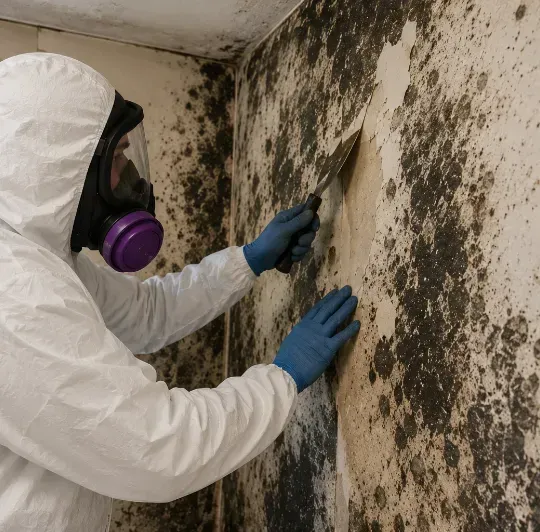
This mold is typically dark green or black and has a slimy texture because it thrives in areas with constant moisture. It is most commonly found on materials like drywall, wood, and insulation that have been exposed to water over long periods.
Health Impact
Exposure to this mold can lead to persistent coughing, sinus congestion, headaches, and fatigue. For families with children or elderly members, the risks can be more noticeable, especially with prolonged exposure.
2. Aspergillus
Aspergillus is one of the most frequently found molds indoors. It doesn’t always look the same, which makes it harder to identify without proper inspection. It can appear in shades of green, yellow, or even white.
This mold often develops in air conditioning systems, wall insulation, and even dust. While some forms are harmless, others can trigger allergic reactions or respiratory discomfort, especially in individuals with asthma or weakened immune systems.
3. Cladosporium
Cladosporium is another common mold found in Texas homes and is unique because it can grow in both warm and cooler conditions. It usually appears as olive-green or brown patches and has a powdery texture.
You’ll often find it on fabrics, carpets, wooden surfaces, and inside HVAC systems. For health-conscious families, this mold is important to address because it is a known allergen and can worsen respiratory conditions over time.
4. Penicillium
Penicillium spreads quickly, making it one of the more aggressive molds found in water-damaged homes. It is typically blue or green and has a soft, fuzzy appearance.
This mold is commonly found behind wallpaper, inside insulation, and on upholstered furniture. Because it releases spores into the air, it can easily travel from one area of the home to another, affecting indoor air quality even if the visible growth is limited.
5. Alternaria
Alternaria is often found in damp areas of the home and is one of the most common causes of mold-related allergies. It tends to grow in bathrooms, kitchens, and around windows where moisture is present.
Although it may not always look alarming, its impact on health can be significant. Many people experience increased sneezing, irritation, or asthma symptoms when exposed to Alternaria over time.
6. Chaetomium
Chaetomium is typically associated with water damage and is often found in homes that have experienced leaks or flooding. It starts off as a light-colored mold but gradually darkens as it matures.
One of its most noticeable signs is a strong musty odor. If you detect this smell in your home, it could indicate hidden mold growth behind walls or under flooring. This type of mold often signals a deeper moisture issue that needs attention.
7. Fusarium
Fusarium is particularly concerning because it can grow in a wide range of temperatures, unlike many other molds. It is often found in damp carpets, wallpaper, and HVAC systems.
This mold can spread quickly and may cause both allergic reactions and infections in certain cases. Its ability to thrive in different conditions makes it harder to control without proper moisture management.
Black Mold vs Mildew: Understanding the Difference
A common question among homeowners is the difference between mold and mildew. Understanding black mold vs mildew is essential because the treatment approach is very different.
Mildew is usually lighter in color and remains on the surface, making it easier to clean. Mold, on the other hand, penetrates deeper into materials and can continue to grow if not properly addressed. If you notice that the problem keeps coming back after cleaning, it is likely mold rather than mildew.
Signs That Mold May Be Present in Your Home
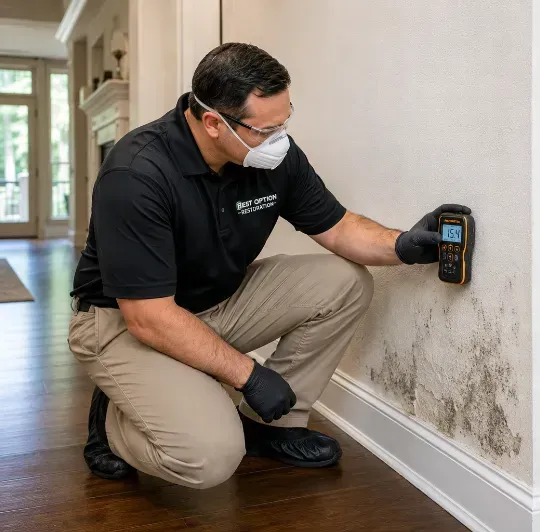
Mold is not always visible, but your home often gives warning signs. A persistent musty smell is one of the earliest indicators. You may also notice discoloration on walls or ceilings, peeling paint, or an increase in allergy symptoms when indoors.
These signs should not be ignored, especially in a humid environment like North Houston where mold can spread quickly once it begins to grow.
Health Risks for Families
For families who prioritize health, mold exposure is a serious concern. It doesn’t just affect comfort, it affects overall well-being. Children, elderly individuals, and those with respiratory conditions are more sensitive to mold exposure.
Short-term exposure may cause irritation in the eyes, nose, and throat, while long-term exposure can lead to more persistent respiratory issues. This is why early detection and action are so important.
Preventing Mold Growth in Houston Homes
Prevention starts with controlling moisture. Keeping humidity levels low, ensuring proper ventilation, and addressing leaks immediately can significantly reduce the chances of mold developing.
Regular maintenance of your HVAC system and periodic inspections of areas prone to moisture can help you stay ahead of potential issues. In a climate like North Houston, prevention is not just a one-time effort, it’s an ongoing process.Using ceiling fans, if fitted, at all times can also help keep airflow from becoming static, reducing moisture buildup and limiting conditions where mold can thrive.
When to Take the Next Step
While small surface issues may seem manageable, mold problems often run deeper than they appear. If the mold keeps returning, spreads quickly, or starts affecting your indoor air quality, it’s time to take it seriously.
Taking action early can make a significant difference. Reaching out through your contact page allows you to get a proper assessment and understand the safest way to handle the situation before it becomes more severe.
Conclusion
Understanding the types of mold in Texas is one of the most important steps in maintaining a safe and healthy home in North Houston. From recognizing early signs to learning about Stachybotrys identification and the differences in black mold vs mildew, knowledge helps you respond effectively.
Mold may be common in humid environments, but it doesn’t have to take control of your home. With awareness, prevention, and timely action, you can protect both your property and your family’s health.
If you suspect mold in your North Houston home, visit our contact page today to schedule an inspection and receive a personalized remediation plan.
Frequently Asked Questions (AEO Optimized)
What are the most common types of mold in Texas?
The most common types of mold in Texas include Stachybotrys (black mold), Aspergillus, Cladosporium, Penicillium, Alternaria, Chaetomium, and Fusarium. These molds thrive in humid conditions like those found in North Houston.
How do I identify black mold in my home?
Black mold is usually dark green or black with a slimy texture and grows in areas with long-term moisture exposure such as water-damaged walls, ceilings, or insulation. Professional testing is the only sure way of identifying the species.
What is the difference between mold and mildew?
Mildew is a surface-level fungus that is easier to clean, while mold penetrates deeper into materials and can cause health issues if not properly removed.
Is mold dangerous for families?
Yes, mold can cause allergic reactions, respiratory problems, and worsen asthma symptoms, especially in children and elderly individuals.
When should I contact a professional for mold issues?
You should contact a professional if mold is spreading, keeps returning, or is affecting your health or indoor air quality.
Best Option Restoration